
Opal.
Hydrated silica (SiO2 with bound water)
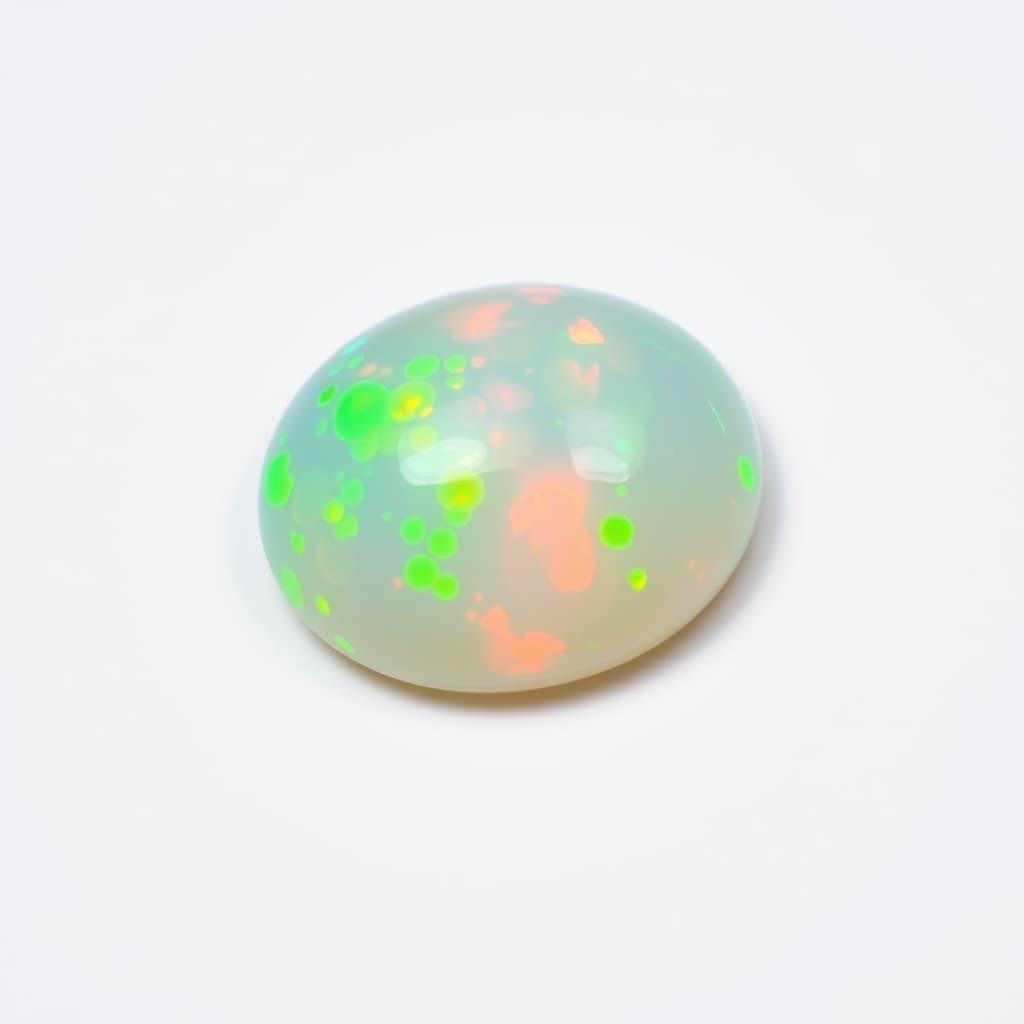
A hydrated silica that produces play-of-colour through pure structural diffraction, traditionally the October birthstone and a stone of imagination.
Quick facts11ShowHide
- ChakraCrown (Sahasrara), Heart (Anahata)
- Mohs hardness5.5 to 6.5
- Mineral familySilica (mineraloid)
- OriginAustralia, Ethiopia, Mexico, Brazil
- ColourWhite, black, crystal, fire orange, all with rainbow play
- ElementWater
- ZodiacLibra, Scorpio, Cancer
- Sits well withImagination, creative work, emotional fluency
- Water safeBrief contact only, never soak
- Sun safeAvoid prolonged direct sun and dry heat
- RarityCommon grade abundant, fine black opal rare
Hand-picked opal pieces are coming soon.
Until our shop is live, every order is hand-arranged through Instagram. Send a note, we will reply with what is currently in studio.
By subscribing you agree to receive weekly emails from AU Crystals. Unsubscribe anytime. See our privacy note.
Opal is not crystalline in the strict sense. It is a hydrated form of silica, with five to ten percent of its weight as bound water, packed into microscopic spheres. Where those spheres stack regularly and at the right size, they diffract visible light and produce the characteristic play-of-colour. Where the packing is irregular, the opal is called common or potch and shows no fire.
Australia produces most of the world's precious opal, with Coober Pedy known for white opal, Lightning Ridge for the rare and prized black opal, and Andamooka for matrix material. Ethiopian Welo opal arrived in volume in the late 2000s, often hydrophane (porous and water-absorbing) and visually distinct from Australian stones. Mexican fire opal is typically transparent orange-red with limited play-of-colour, valued for its body colour rather than its flash.
In traditional and modern crystal practice opal is paired with imagination, creative output, and the more fluent kinds of feeling. It is one of the few stones that asks for genuine care: at hardness five and a half to six it scratches easily, and the bound water can dehydrate in dry heat or strong sun, leading to crazing. Store an opal away from desiccants, keep it away from radiators and sealed cars, and wipe it with a soft damp cloth rather than soaking. With reasonable care a good opal stays alive for generations.
Pairs well with.
See all pairings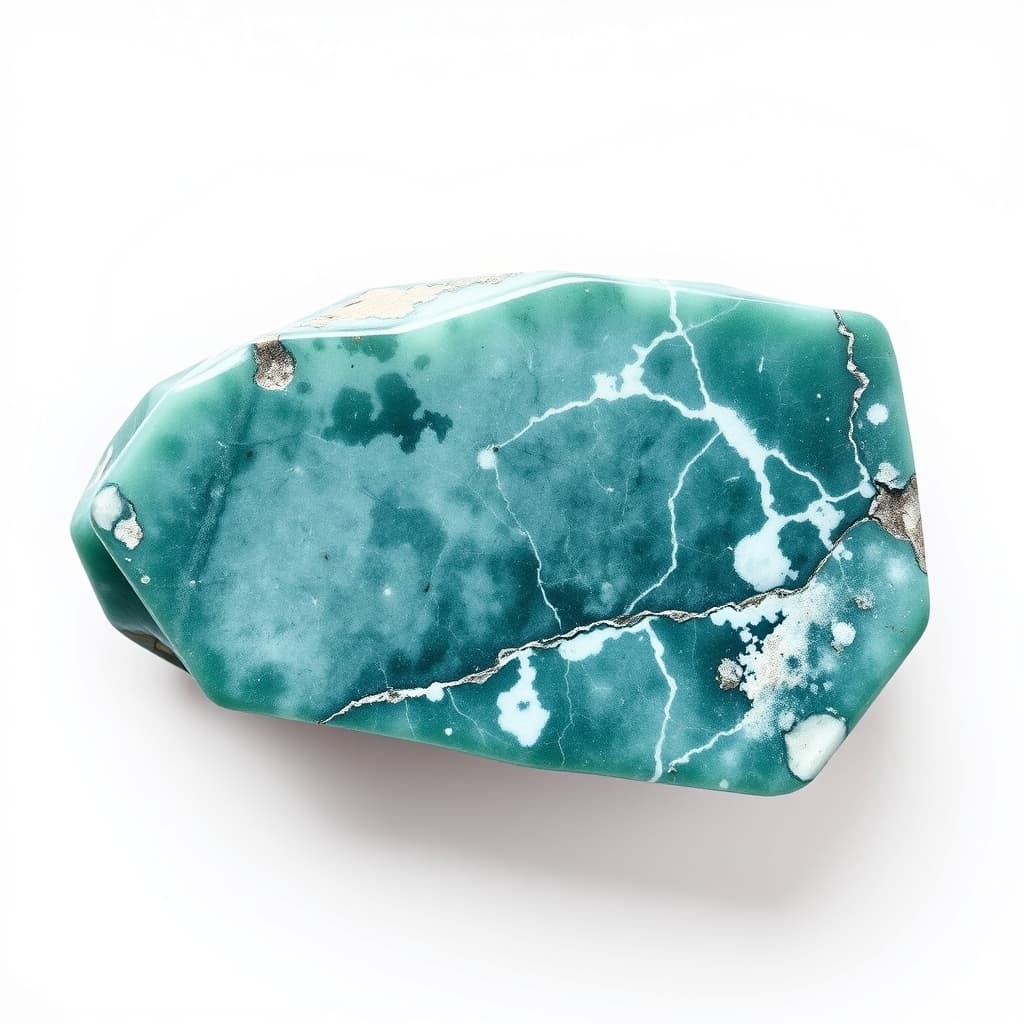
Amazonite
A teal-green feldspar paired with the throat chakra and the kind of conversation that needs both honesty and gentleness.
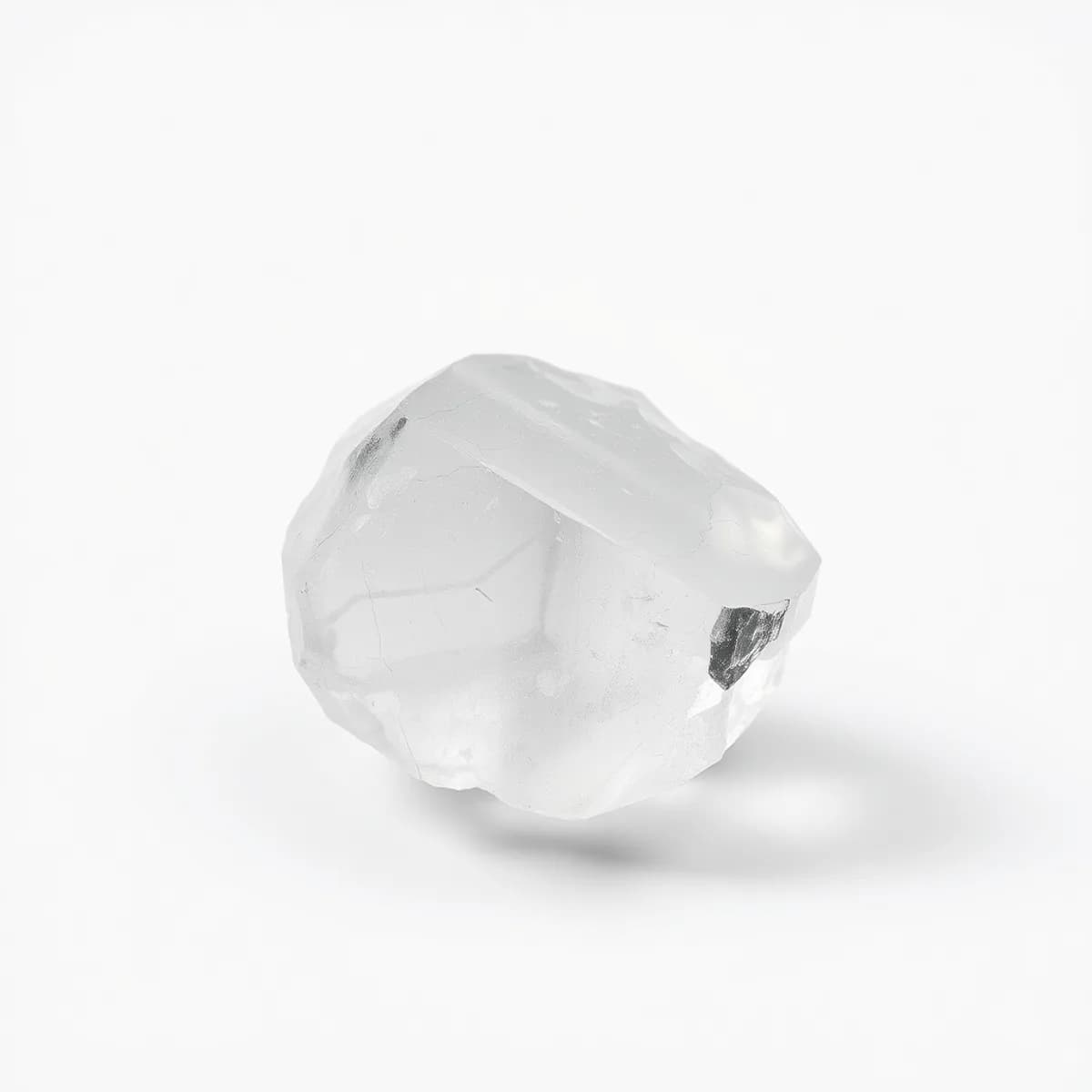
Clear Quartz
The most abundant crystal on earth and the one most traditions treat as a generalist. Used to amplify intention, clarify thinking, and pair with almost any other stone.
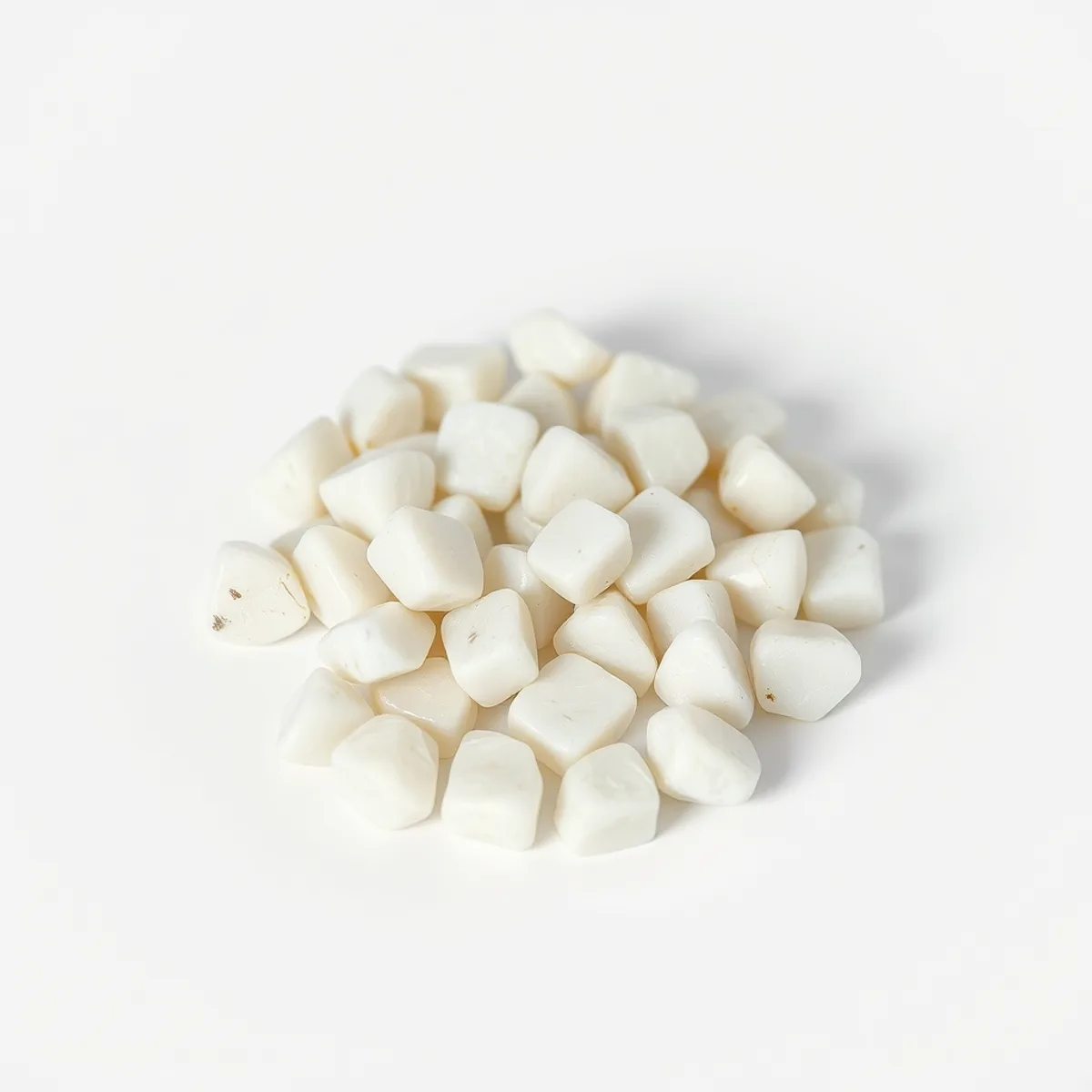
Moonstone
A feldspar that glows from within in the right light, traditionally the June birthstone and a quiet companion through change.
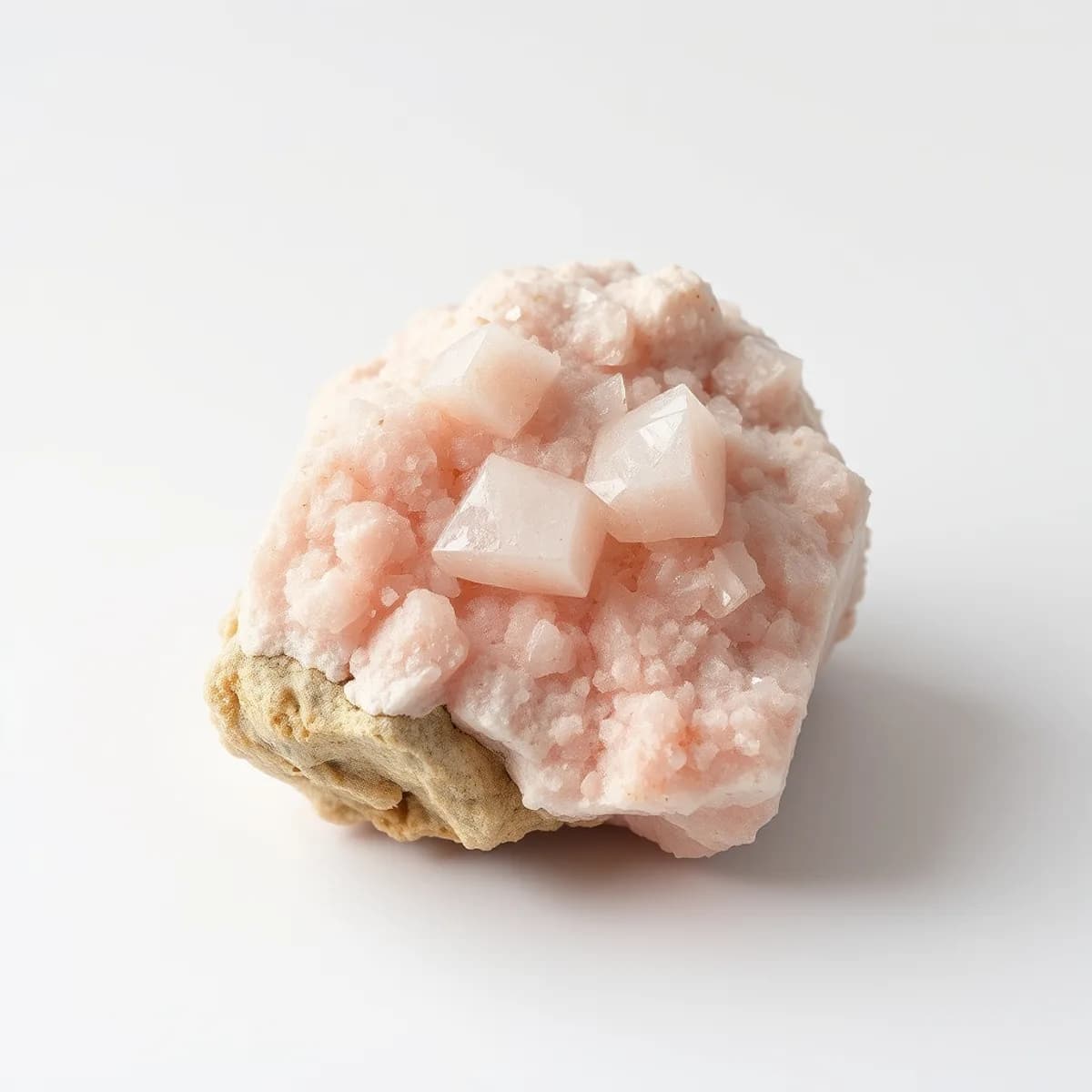
Rose Quartz
The pink quartz traditionally paired with the heart chakra. A gentle stone for self-compassion, soft mornings, and the kind of love that doesn't need to prove itself.