
Sapphire.
Corundum (aluminium oxide), non-red varieties
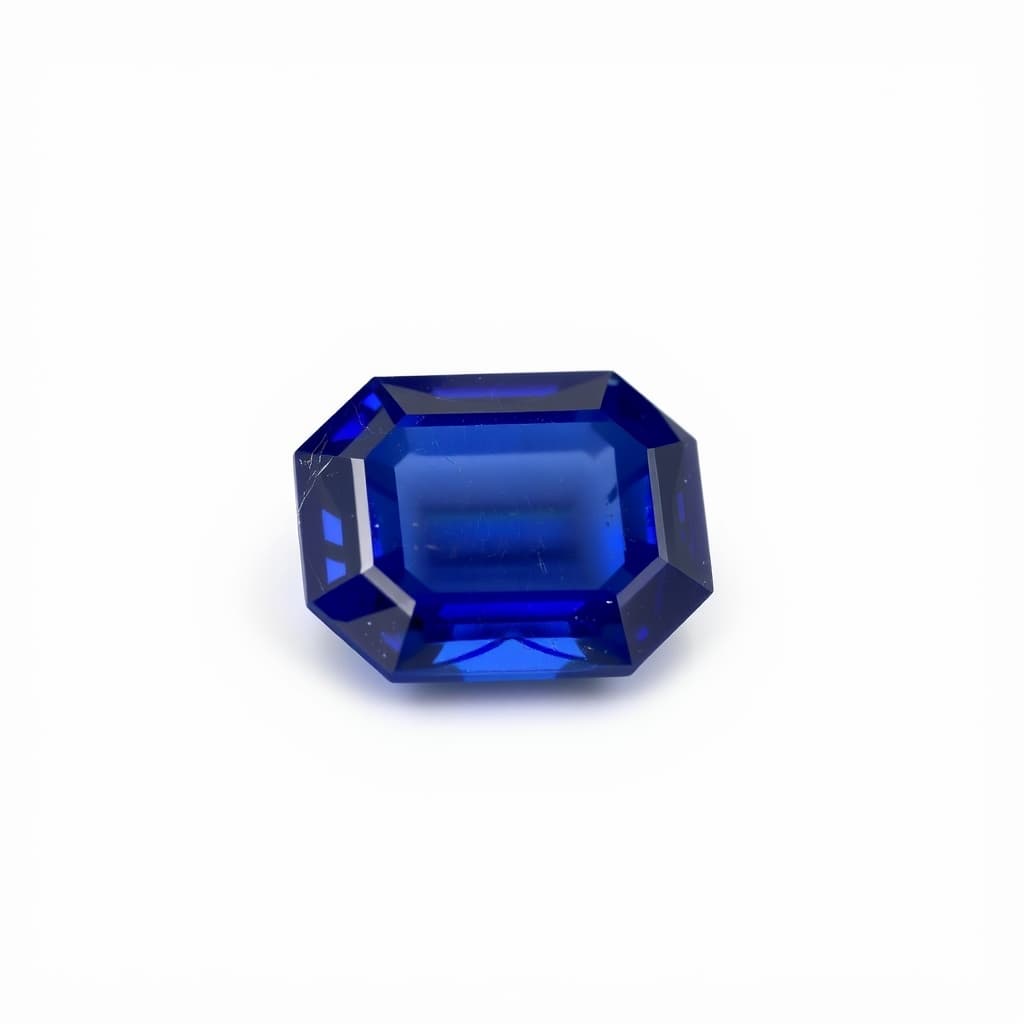
The blue (and many-coloured) variety of corundum, traditionally the September birthstone and a long-standing symbol of considered wisdom.
Quick facts11ShowHide
- ChakraThroat (Vishuddha), Third Eye (Ajna)
- Mohs hardness9
- Mineral familyCorundum (oxide)
- OriginSri Lanka, Madagascar, Australia, Myanmar, Montana
- ColourBlue most common, also pink, yellow, green, white, padparadscha orange-pink
- ElementAir
- ZodiacVirgo, Libra, Sagittarius
- Sits well withConsidered thinking, integrity, calm wisdom
- Water safeYes
- Sun safeYes
- RarityCommon in small sizes, fine large stones rare
Hand-picked sapphire pieces are coming soon.
Until our shop is live, every order is hand-arranged through Instagram. Send a note, we will reply with what is currently in studio.
By subscribing you agree to receive weekly emails from AU Crystals. Unsubscribe anytime. See our privacy note.
Sapphire is the catch-all name for any non-red gem variety of corundum. Trace iron and titanium produce the classic cornflower blue, while chromium with iron makes the pink and the rare orange-pink padparadscha. The single mineral can therefore appear in almost the full visible spectrum, with each colour traded as its own gem under a qualifying name (yellow sapphire, pink sapphire, white sapphire). At hardness nine it shares ruby's place as the second hardest natural mineral.
Sri Lanka, historically Ceylon, has produced sapphire continuously for at least two thousand years, and the bluish material from there set the early benchmark. The legendary Kashmir deposit worked briefly in the late nineteenth century produced the velvety cornflower stones still used as the standard reference for fine blue. Australian, Madagascan, and Montana deposits supply most of the modern trade.
Across cultures sapphire has been the stone of considered judgement. Medieval European bishops wore sapphire rings as a sign of clear sight and integrity, and the gem appears repeatedly in royal regalia for the same reason. In modern crystal practice it sits with the throat and third eye chakras, a pairing for the kind of work that asks for clarity rather than fire. Sapphire wears well in daily jewellery and takes most cleaning methods without trouble. Heat treatment to deepen colour is standard and accepted in the trade.
Pairs well with.
See all pairings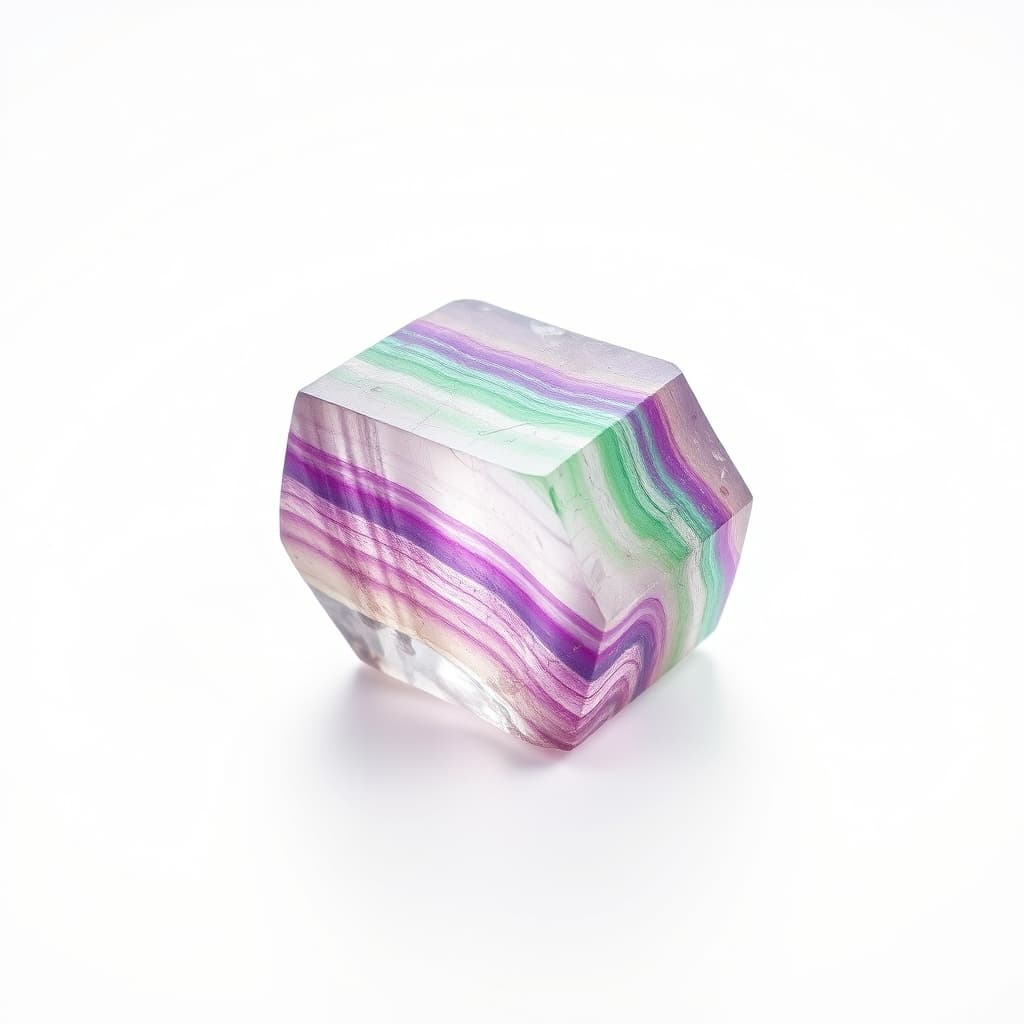
Fluorite
A cubic crystal that gave the word fluorescence to science, traditionally kept near the desk as a stone of focused study.
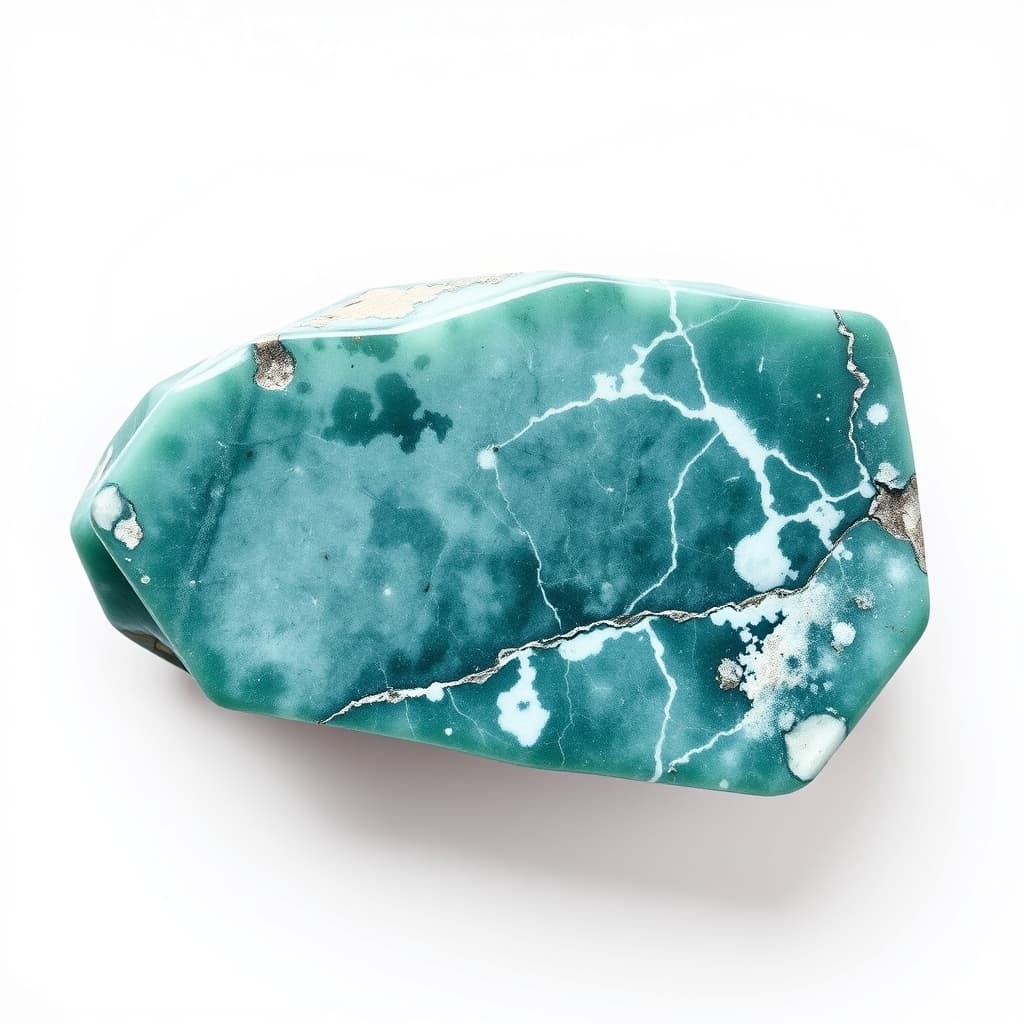
Amazonite
A teal-green feldspar paired with the throat chakra and the kind of conversation that needs both honesty and gentleness.
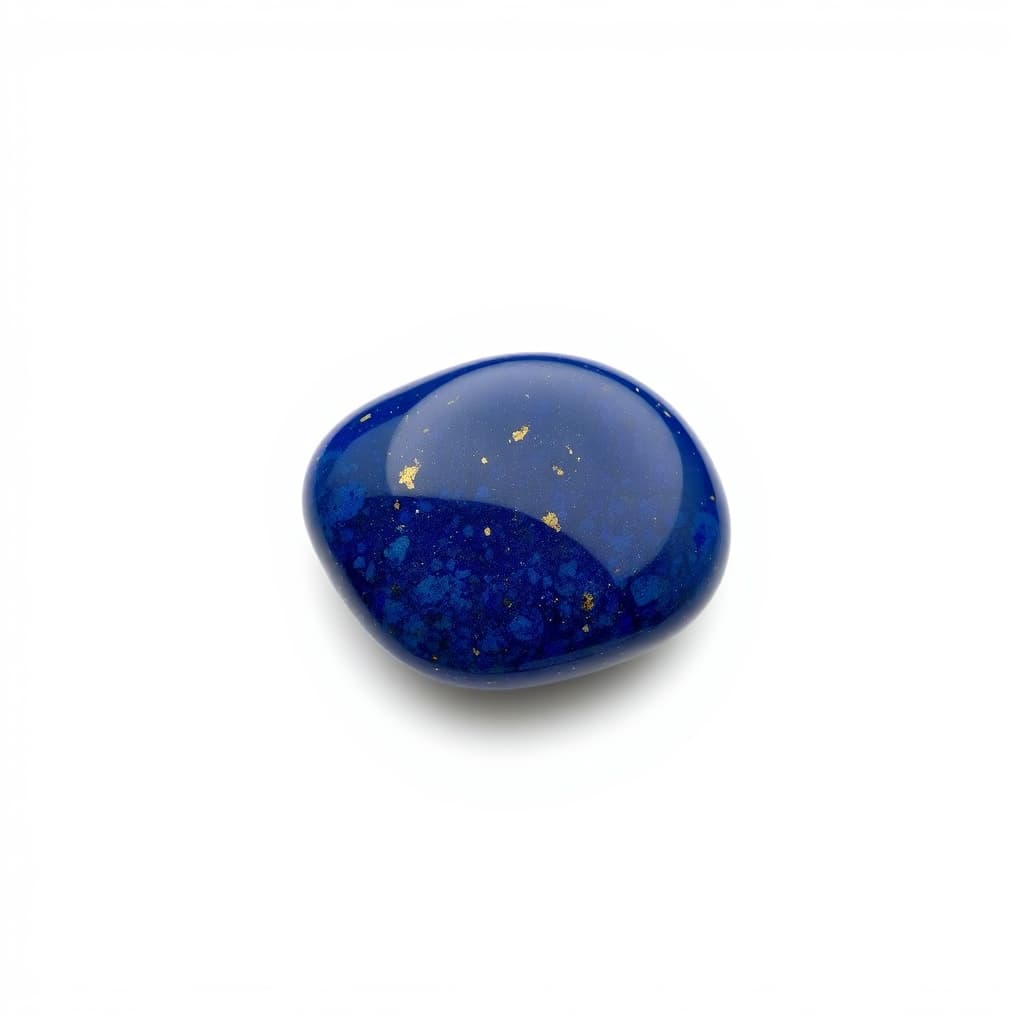
Lapis Lazuli
A deep blue rock flecked with gold pyrite, ground in the Renaissance into ultramarine and worn for three thousand years as a stone of inner authority.
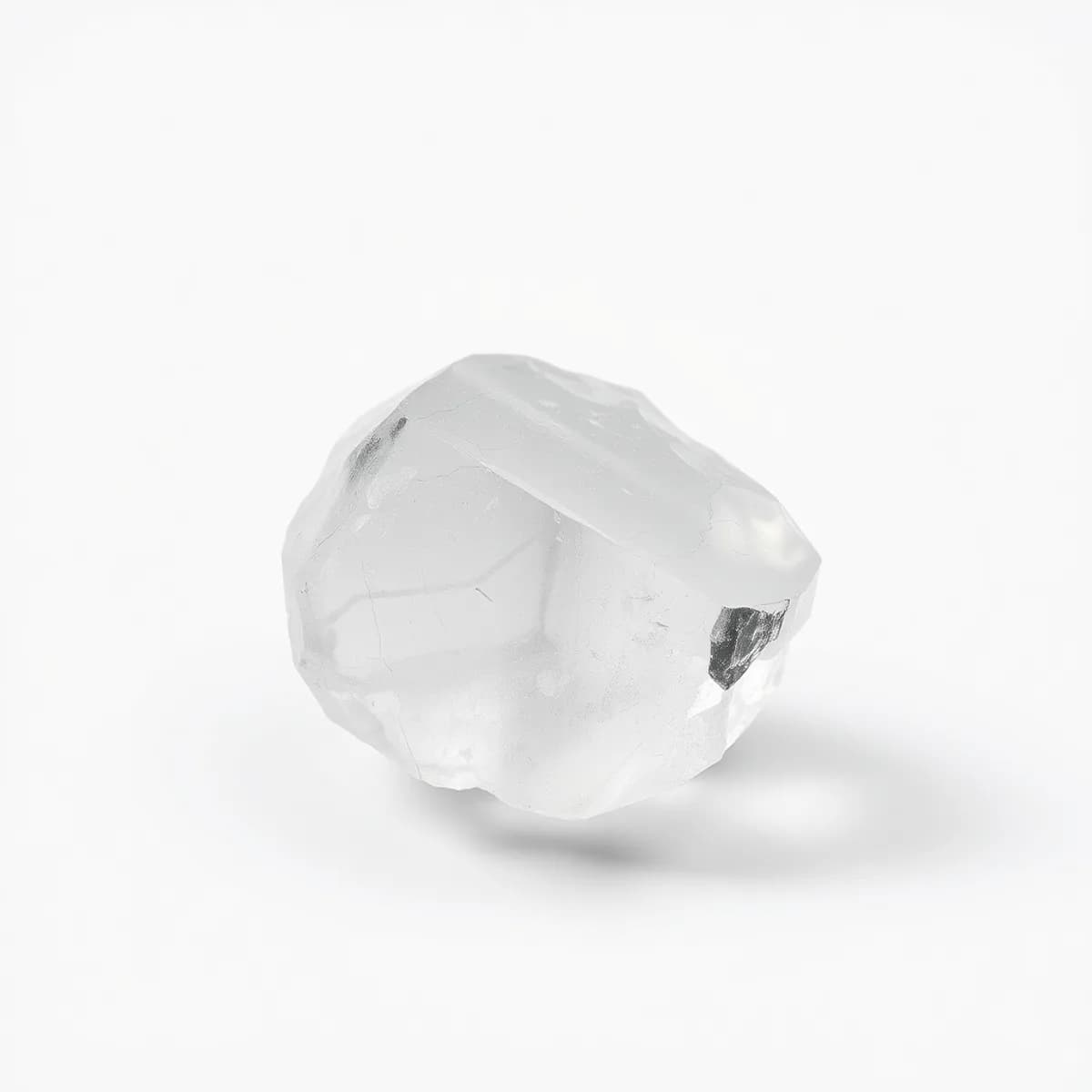
Clear Quartz
The most abundant crystal on earth and the one most traditions treat as a generalist. Used to amplify intention, clarify thinking, and pair with almost any other stone.