
Lapis Lazuli.
Rock composed mainly of lazurite, with calcite and pyrite
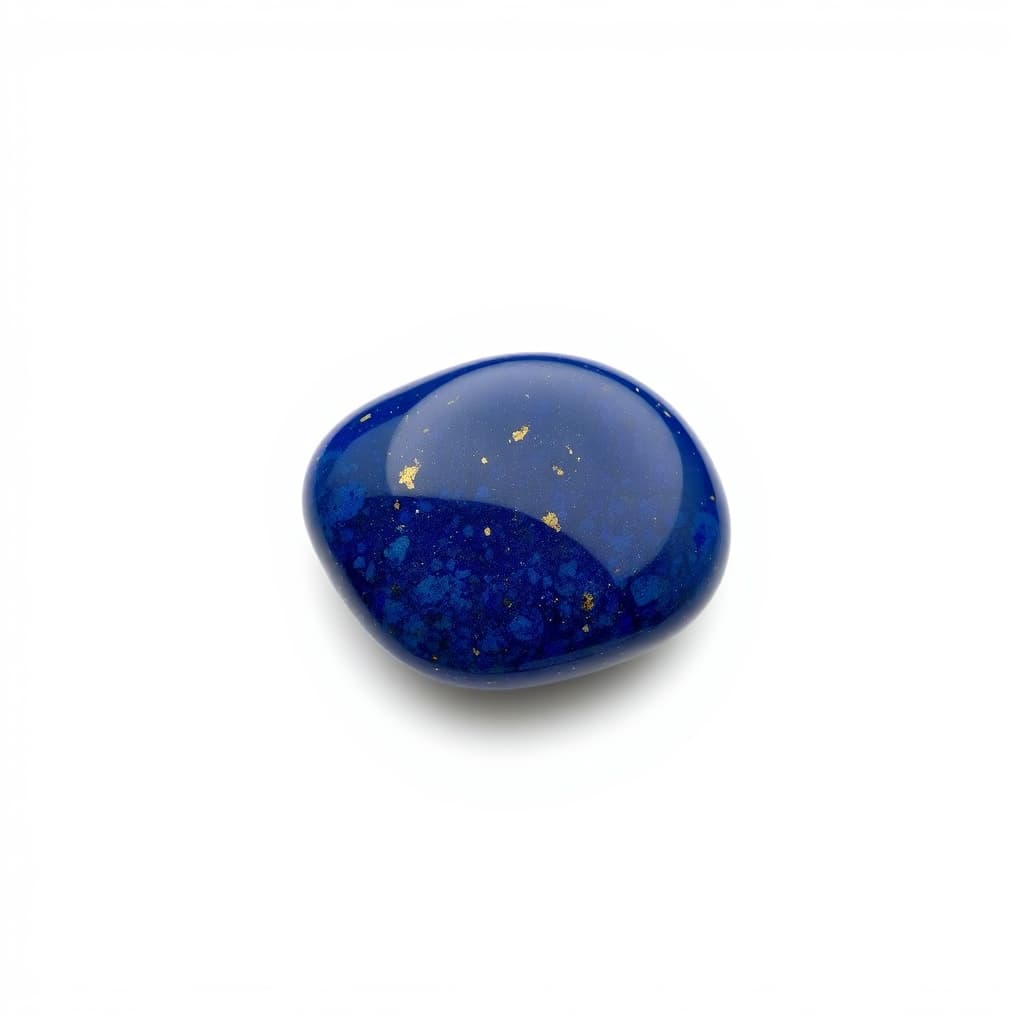
A deep blue rock flecked with gold pyrite, ground in the Renaissance into ultramarine and worn for three thousand years as a stone of inner authority.
Quick facts11ShowHide
- ChakraThroat (Vishuddha), Third Eye (Ajna)
- Mohs hardness5 to 5.5
- Mineral familyRock (lazurite-bearing metamorphic)
- OriginAfghanistan (Sar i Sang), Chile, Russia
- ColourDeep ultramarine blue with gold pyrite flecks and white calcite veining
- ElementWater, Air
- ZodiacSagittarius, Pisces
- Sits well withHonest speech, inner authority, considered thought
- Water safeBrief contact only
- Sun safeYes
- RarityFine even-blue material increasingly uncommon
Hand-picked lapis lazuli pieces are coming soon.
Until our shop is live, every order is hand-arranged through Instagram. Send a note, we will reply with what is currently in studio.
By subscribing you agree to receive weekly emails from AU Crystals. Unsubscribe anytime. See our privacy note.
Lapis lazuli is a rock rather than a single mineral. The deep blue comes from lazurite, the gold flecks are pyrite, and the white veining is calcite. The proportions decide the quality. Even saturated blue with restrained gold pyrite and minimal calcite is the benchmark, while too much calcite produces the chalky pale-streaked material common at the cheap end of the market.
The Sar i Sang mines in the Badakhshan province of Afghanistan have produced fine lapis continuously for at least six thousand years, the longest single-source mining tradition of any gem material. Egyptian funerary jewellery, Sumerian cylinder seals, and Renaissance Italian altarpieces all drew from the same valley. Crushed and refined, lapis became ultramarine, the most expensive pigment in European painting until synthetic ultramarine was developed in the 1820s.
Across cultures lapis has been the stone of inner authority: the colour reserved for rulers, priests, and figures speaking with weight. In modern crystal practice it sits with the throat and third eye chakras, paired with the kind of speech that asks for both honesty and consideration. A polished cabochon in a ring or pendant carries the colour beautifully, and the modest hardness means it suits worn jewellery rather than high-impact use. Avoid harsh chemicals and prolonged water, which can dissolve calcite veins and leave a roughened surface.
Pairs well with.
See all pairings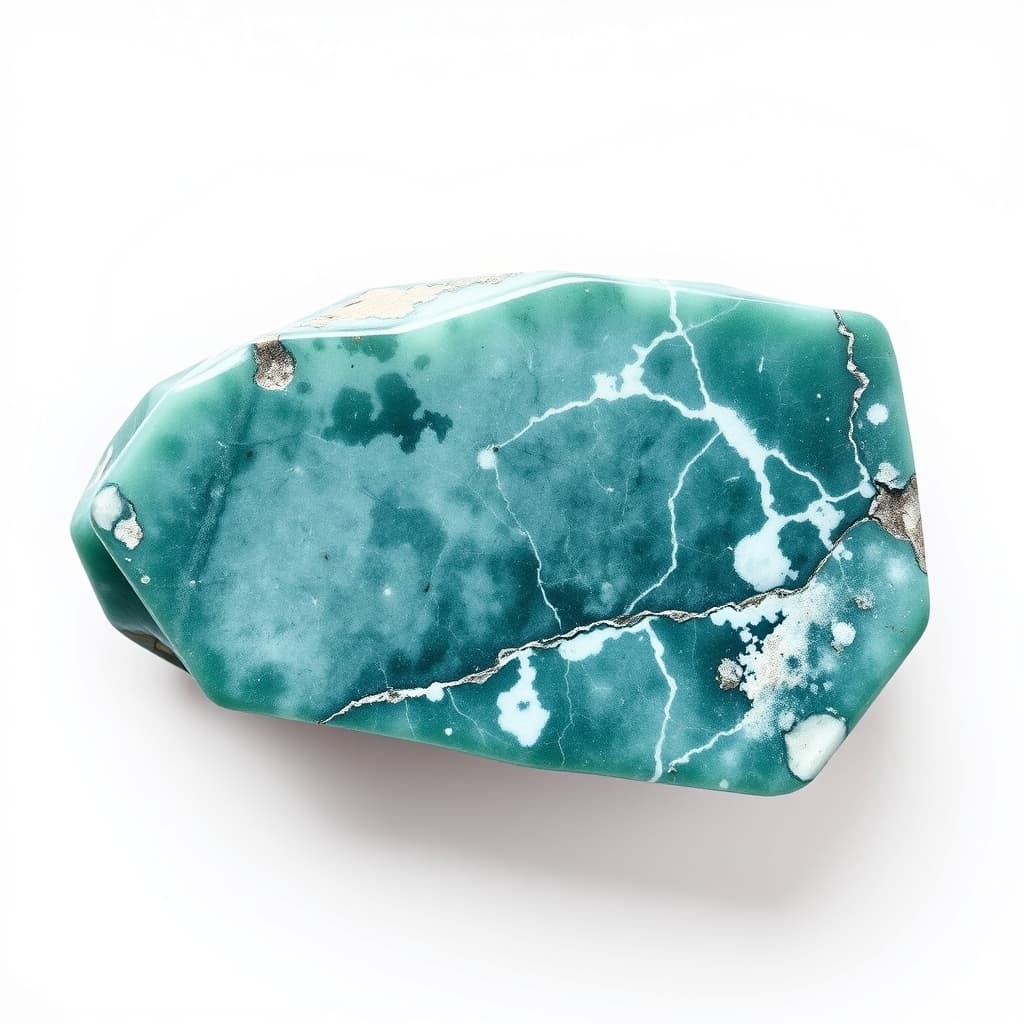
Amazonite
A teal-green feldspar paired with the throat chakra and the kind of conversation that needs both honesty and gentleness.
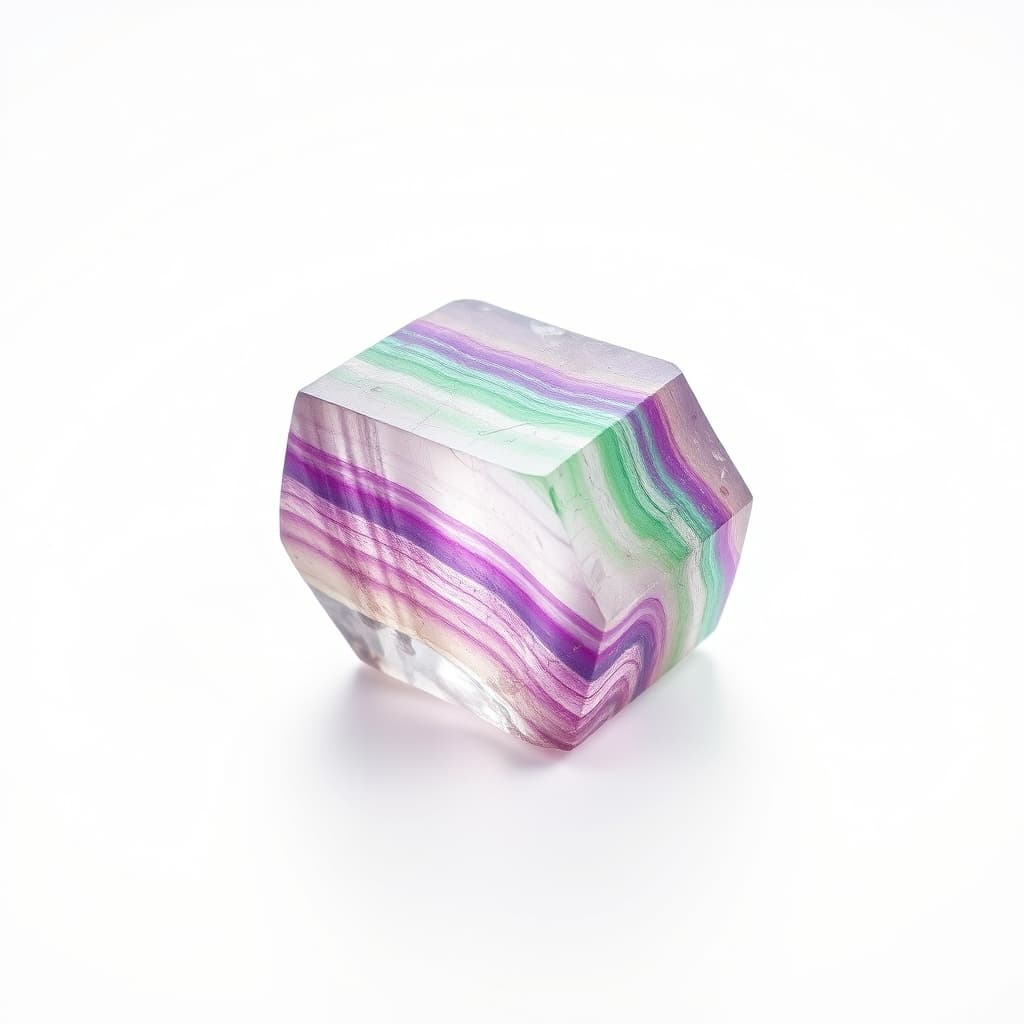
Fluorite
A cubic crystal that gave the word fluorescence to science, traditionally kept near the desk as a stone of focused study.
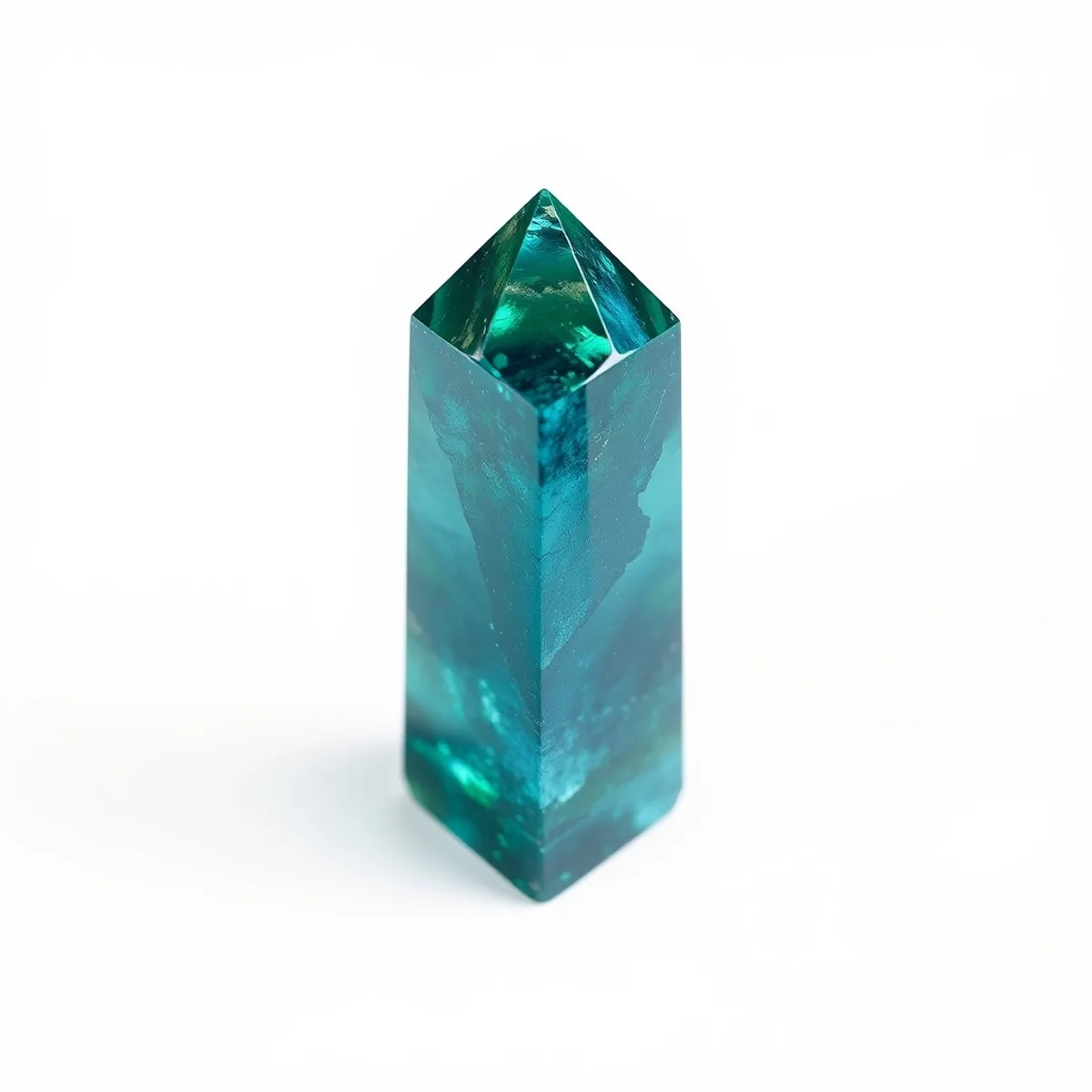
Labradorite
A grey feldspar that flashes blue, gold, and green in the right light, traditionally a stone for moments of transition.
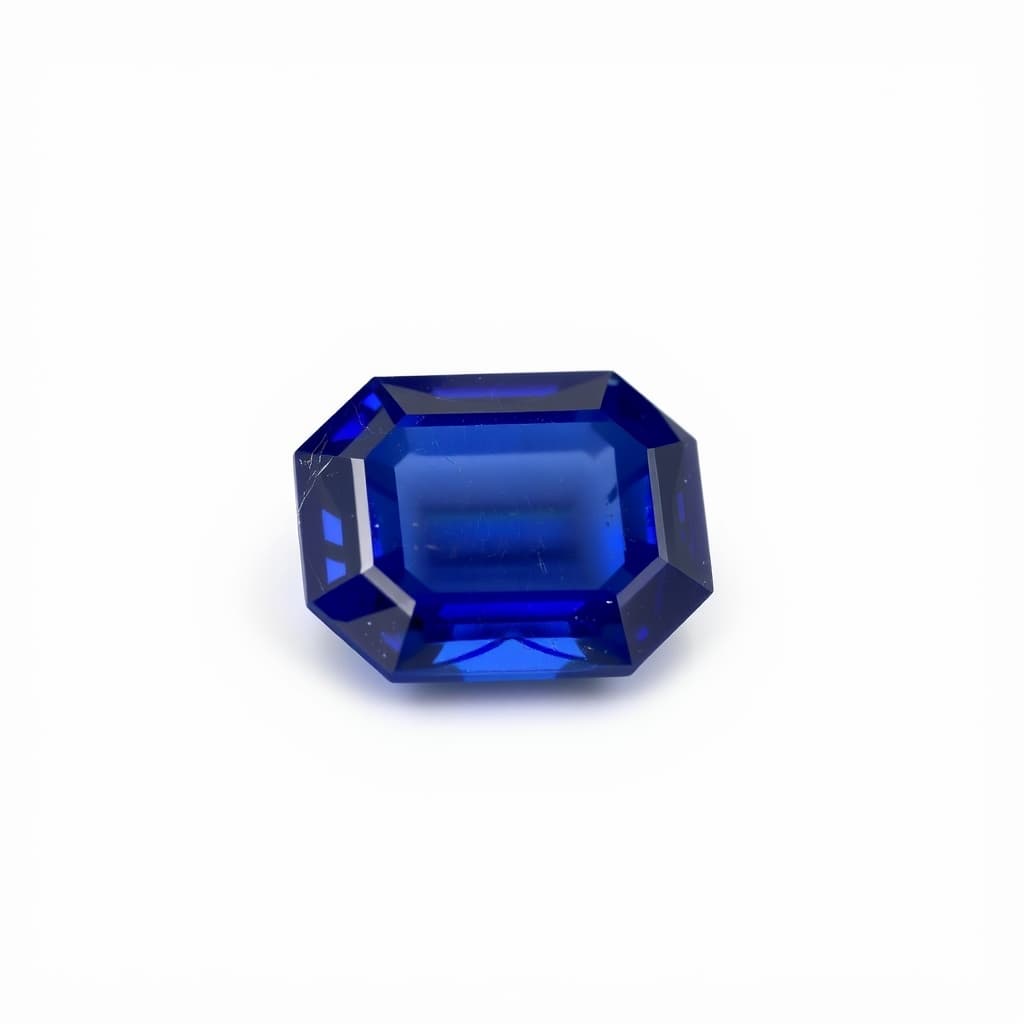
Sapphire
The blue (and many-coloured) variety of corundum, traditionally the September birthstone and a long-standing symbol of considered wisdom.