
Rhodonite.
Manganese inosilicate
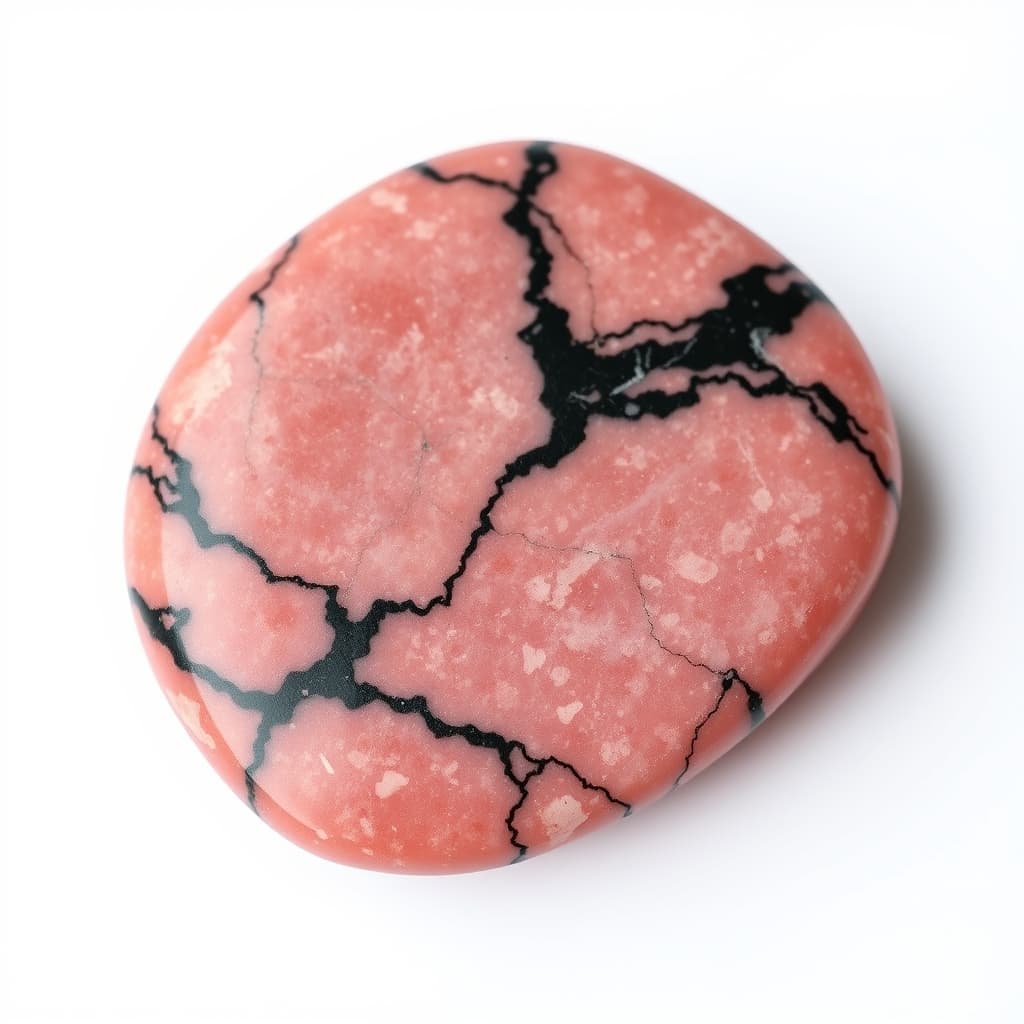
A pink-and-black manganese silicate paired with the kind of love work that includes loss, forgiveness, and the slow knitting of a wounded heart.
Quick facts11ShowHide
- ChakraHeart (Anahata)
- Mohs hardness5.5 to 6.5
- Mineral familyPyroxenoid (silicate)
- OriginRussia (Ural), Sweden, Australia, Brazil
- ColourPink to rose with characteristic black manganese oxide veining
- ElementEarth, Fire
- ZodiacTaurus, Scorpio
- Sits well withGrief work, forgiveness, considered love
- Water safeBrief contact only
- Sun safeYes
- RarityCommon, fine even-pink material with clean veining sought after
Hand-picked rhodonite pieces are coming soon.
Until our shop is live, every order is hand-arranged through Instagram. Send a note, we will reply with what is currently in studio.
By subscribing you agree to receive weekly emails from AU Crystals. Unsubscribe anytime. See our privacy note.
Rhodonite is a manganese inosilicate, with the manganese giving both the pink body colour and the black dendritic veining that runs through almost every piece. The name traces to the Greek rhodon, rose, for the colour. Russian Ural deposits produced the famous nineteenth-century carved pieces, including the great rhodonite sarcophagus made for Empress Maria Alexandrovna in St Petersburg, and the deposit remains the historical reference for fine material.
A persistent confusion in the market is between rhodonite and rhodochrosite. Rhodochrosite is a manganese carbonate with a softer, more saturated, sometimes banded pink and no black veining. Rhodonite is harder, manganese-silicate based, and almost always carries the dark veining as a tell. Both are heart-chakra stones in modern crystal practice but the textures are distinct.
In contemporary practice rhodonite is paired specifically with the kind of heart work that includes grief and reconciliation. The black veining is read as an honest acknowledgement that real love includes loss. It is the stone people reach for during the slow knitting of a wounded heart: after a death, after estrangement, after the kind of breakup that does not end cleanly. A polished palm stone or tumbled piece is the traditional carry. The hardness of around six suits worn jewellery with reasonable care, and the colour holds well over years.
Pairs well with.
See all pairings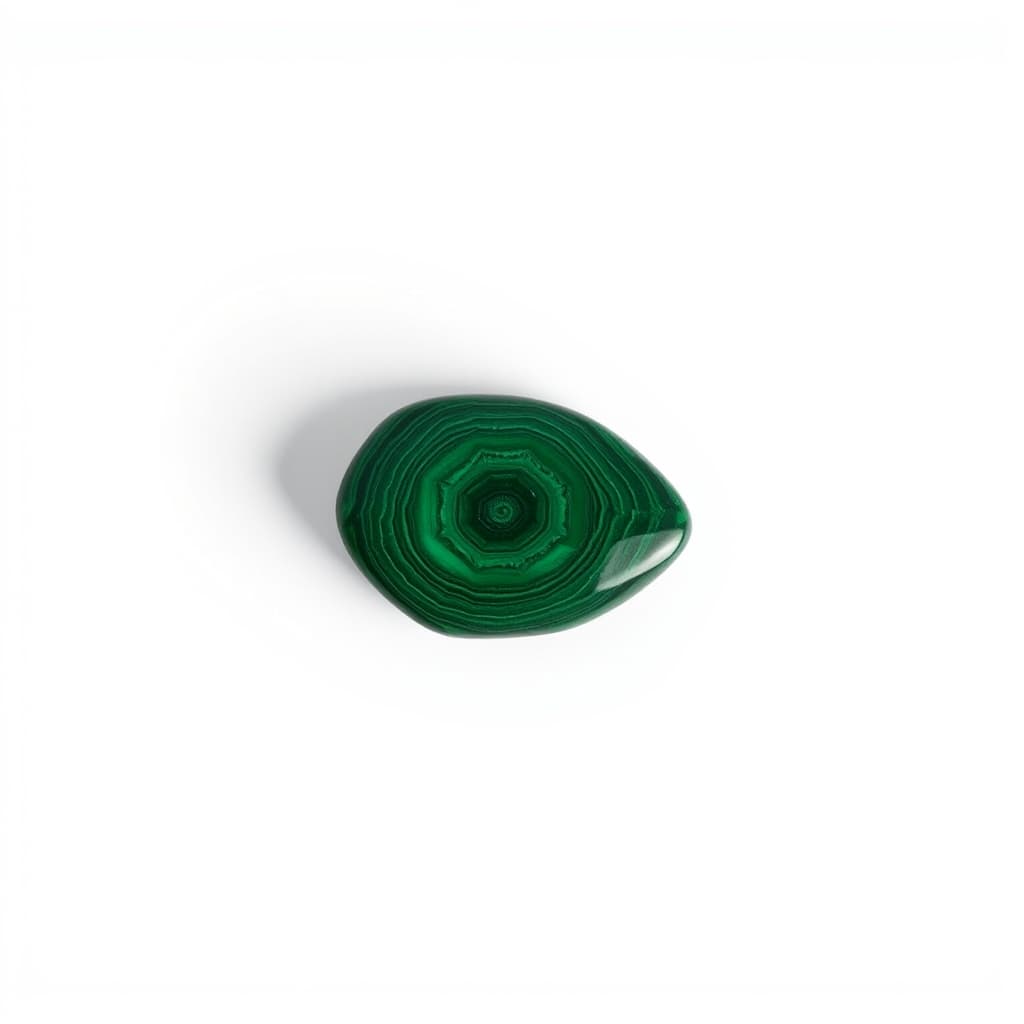
Malachite
A banded green copper carbonate worn as a protective stone since antiquity, beautiful in polished form and demanding in raw form.
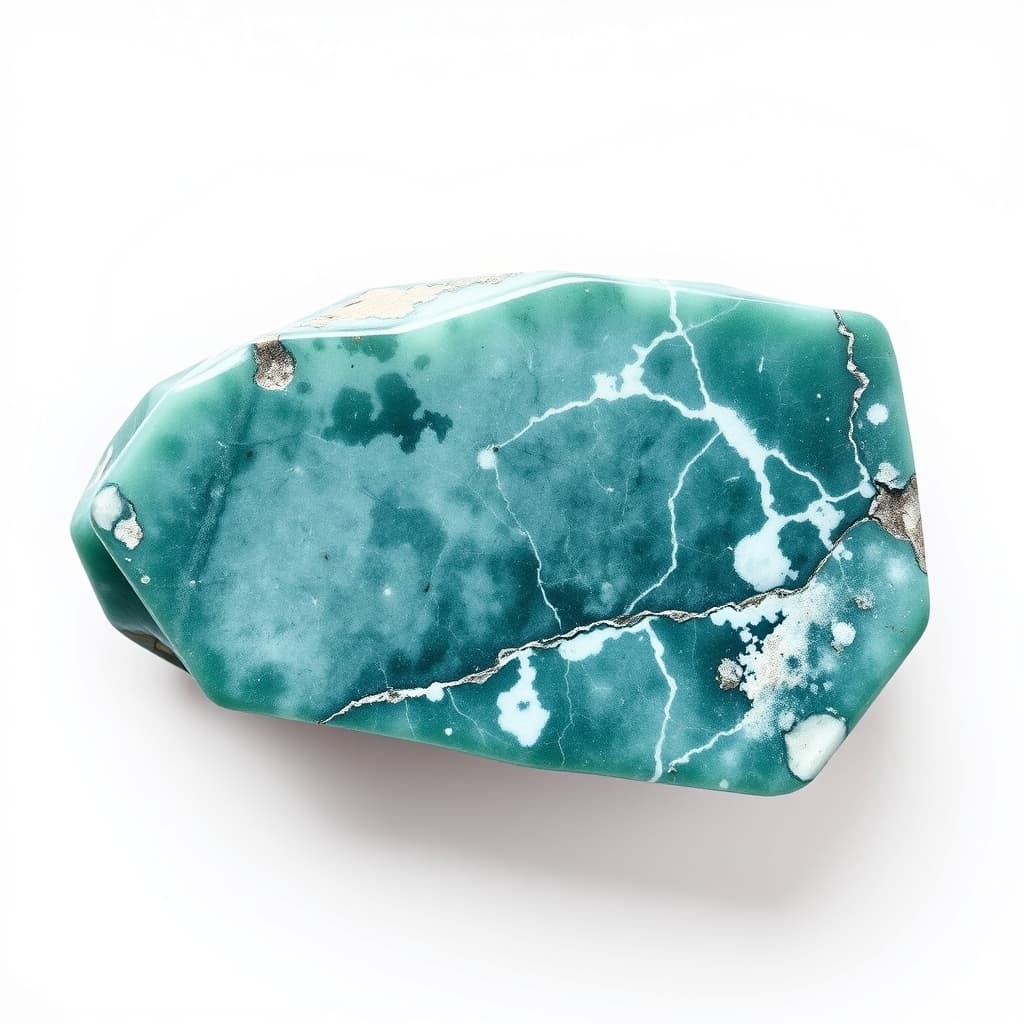
Amazonite
A teal-green feldspar paired with the throat chakra and the kind of conversation that needs both honesty and gentleness.
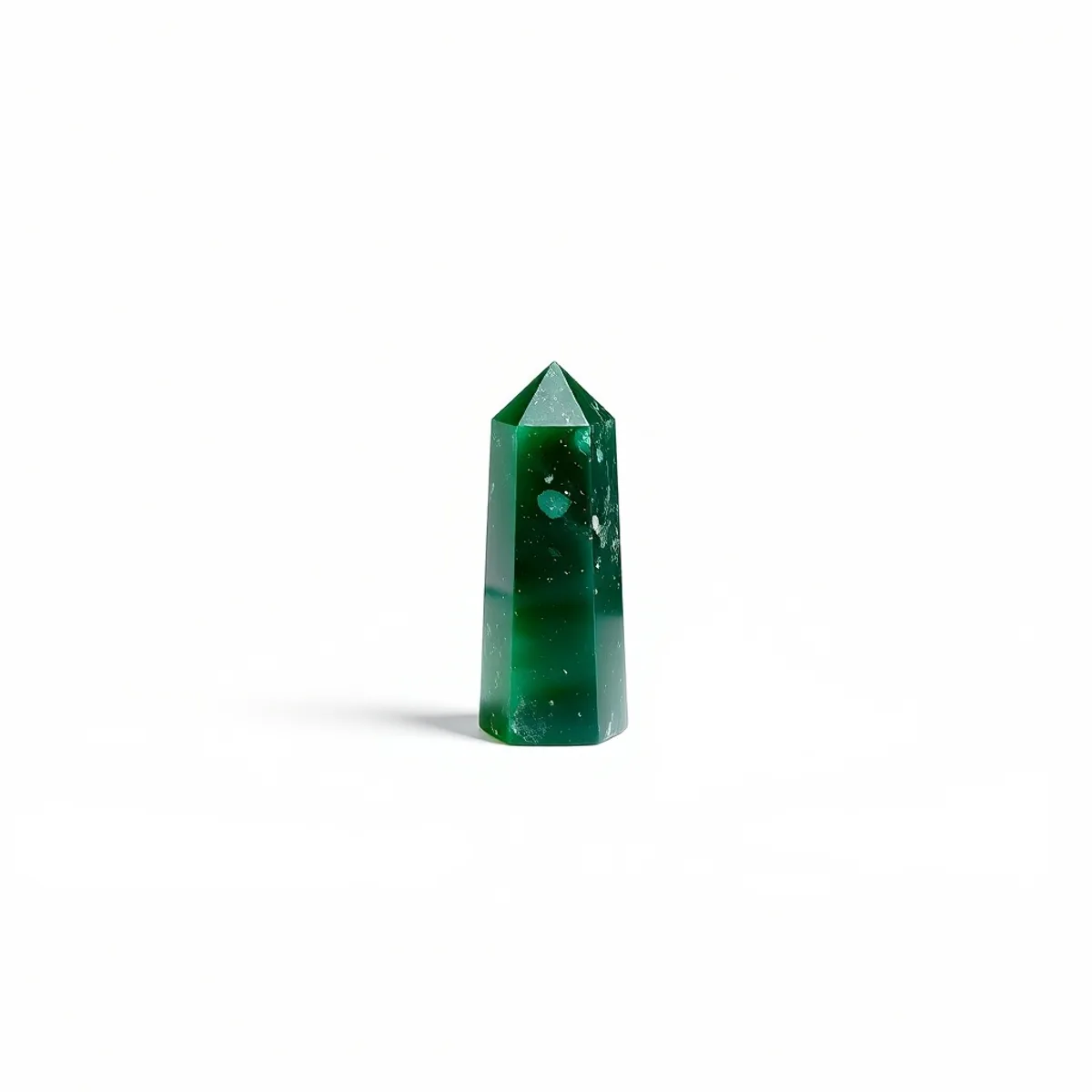
Bloodstone
A deep green chalcedony flecked with red, carried into Roman battlefields and medieval reliquaries as a soldier's stone of endurance.
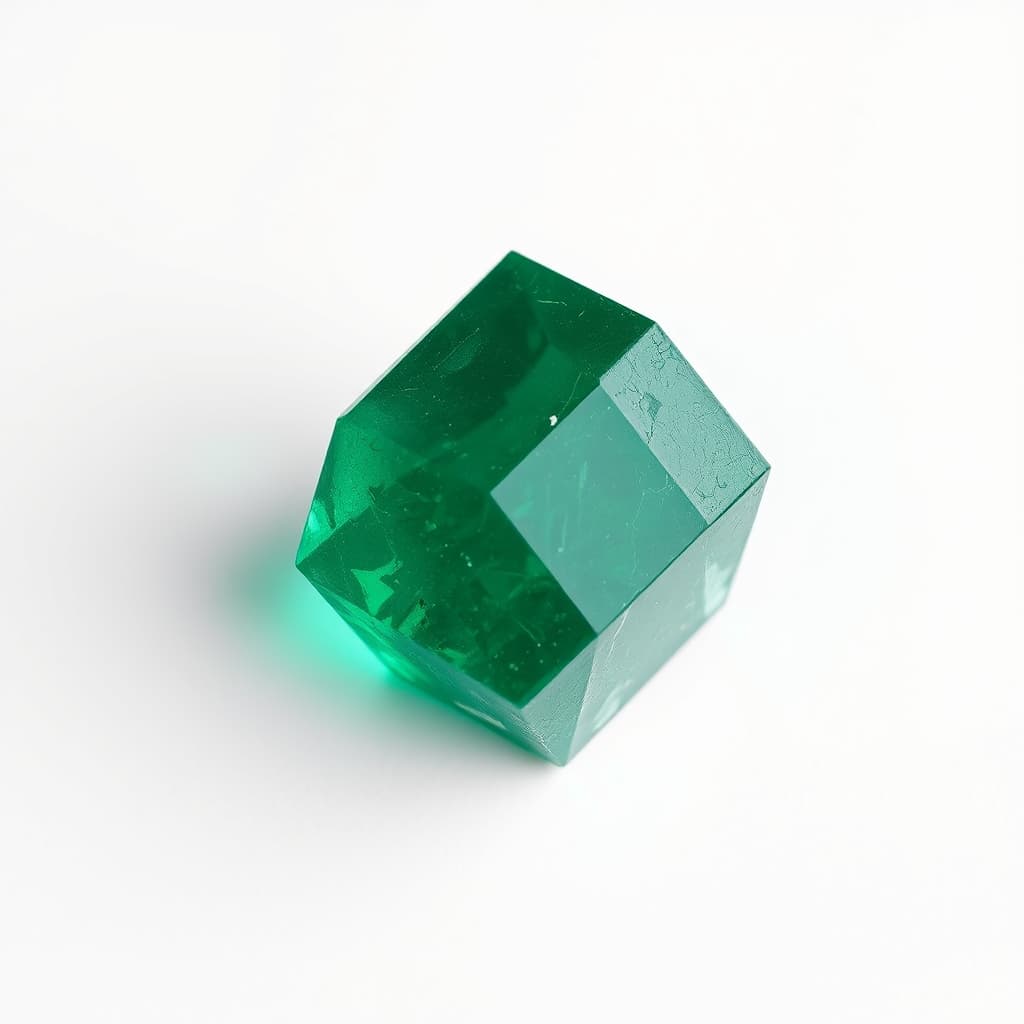
Emerald
The green variety of beryl, traditionally the May birthstone and one of the oldest stones associated with the heart.