
Malachite.
Copper carbonate hydroxide
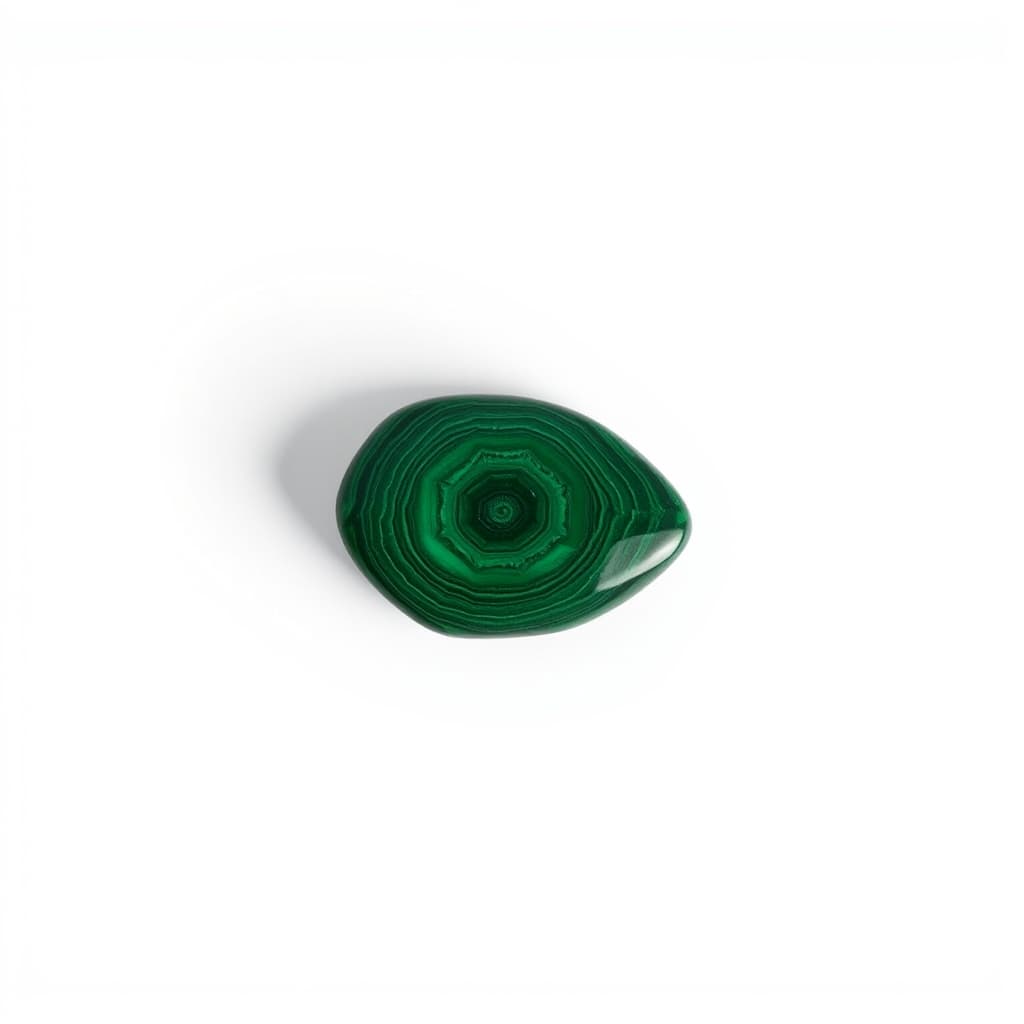
A banded green copper carbonate worn as a protective stone since antiquity, beautiful in polished form and demanding in raw form.
Quick facts11ShowHide
- ChakraHeart (Anahata), Solar Plexus (Manipura)
- Mohs hardness3.5 to 4
- Mineral familyCarbonate
- OriginDemocratic Republic of Congo, Russia, Australia, Israel
- ColourGreen with concentric or banded lighter and darker zones
- ElementEarth, Fire
- ZodiacCapricorn, Scorpio
- Sits well withHeart protection, boundary work, transformation
- Water safeNo, copper-bearing and porous
- Sun safeYes for polished, raw fades dust risk
- RarityCommon in raw form, fine bullseye banding sought after
Hand-picked malachite pieces are coming soon.
Until our shop is live, every order is hand-arranged through Instagram. Send a note, we will reply with what is currently in studio.
By subscribing you agree to receive weekly emails from AU Crystals. Unsubscribe anytime. See our privacy note.
Malachite is a hydrated copper carbonate that forms in the oxidised upper zones of copper deposits, which is why almost all of it carries striking green banding from concentric growth around a void. Russian Ural deposits supplied the Romanov palaces with the polished panels still visible at the Hermitage, and the Democratic Republic of Congo currently produces most of the trade material.
Across antiquity malachite was used both as ornament and as cosmetic. Ground Egyptian eye paint contained malachite for its colour and its mild antimicrobial copper content. Across European and Russian tradition it was kept as a protective amulet for travellers and children, and the bullseye pattern was read as a watchful eye against harm.
In modern crystal practice malachite is paired with the heart chakra, but it is treated as the harder and more demanding sibling of the gentler green stones. It is the piece people keep when they are doing real boundary work, the kind that asks for honesty rather than soothing. The safety note is genuine and worth saying clearly. Polished malachite sealed under a glaze is safe to handle. Raw or freshly cut malachite produces toxic copper dust, so cutting and grinding should be done wet and with respiratory protection. Never put malachite in water for elixirs or cleansing rinses, and wash hands after handling raw pieces.
Pairs well with.
See all pairings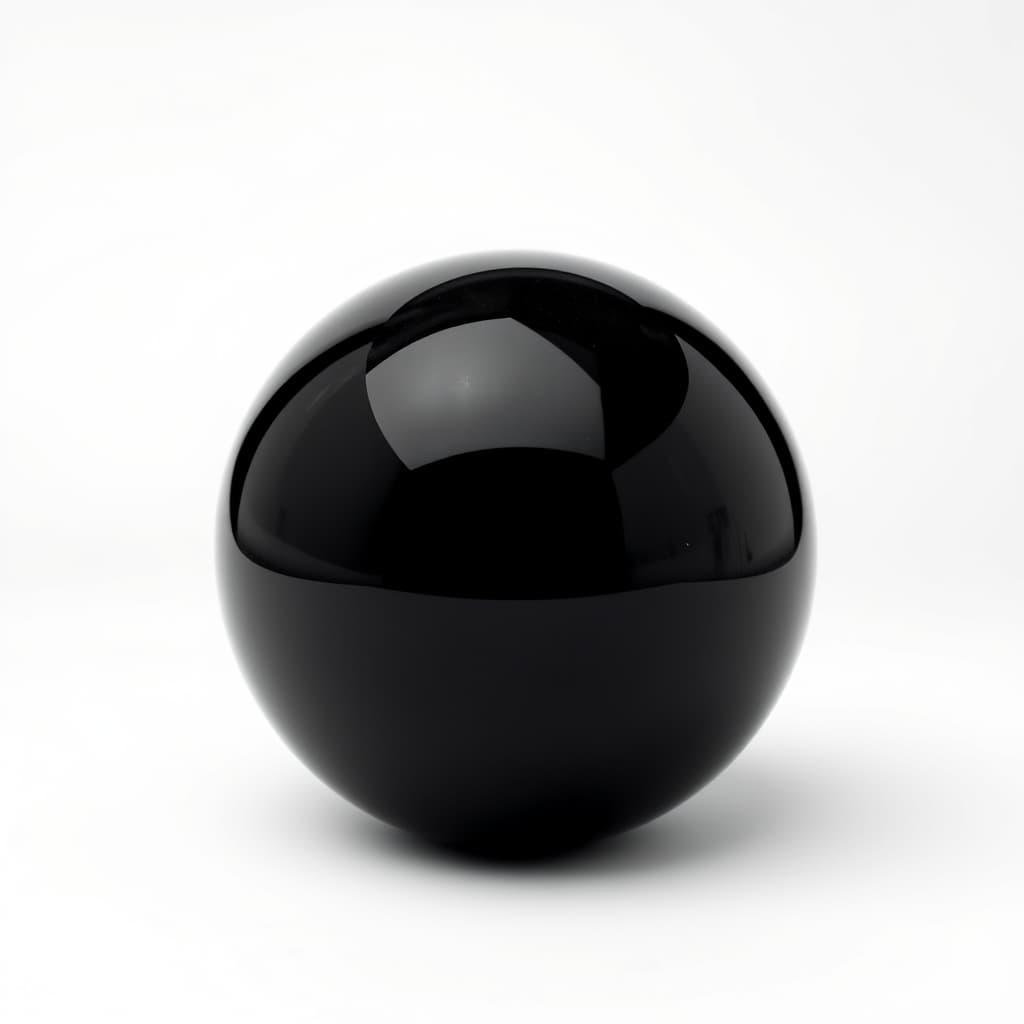
Obsidian
Volcanic glass formed when lava cools too fast to crystallise, used as cutting edge and scrying mirror across many traditions.
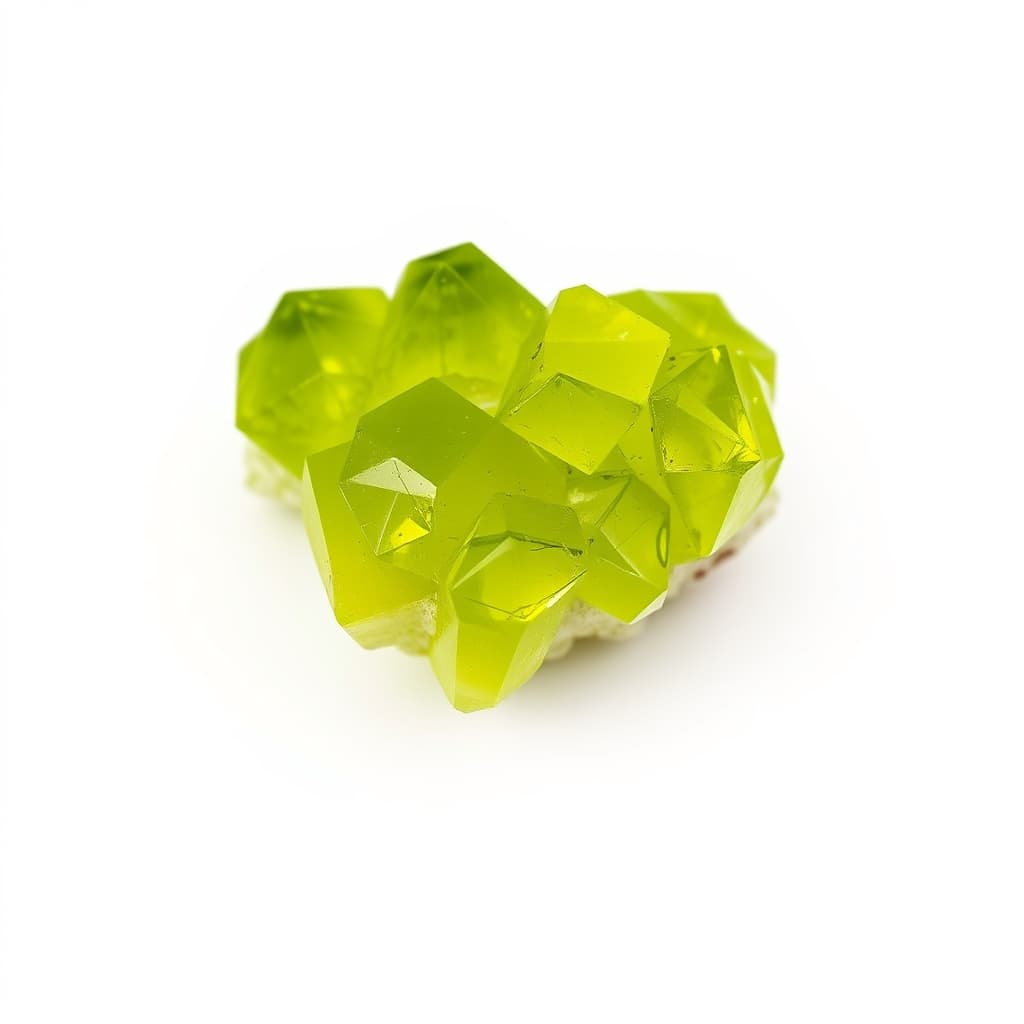
Peridot
A bright olive-green silicate formed deep in the mantle, traditionally the August birthstone and a quiet symbol of fresh start.
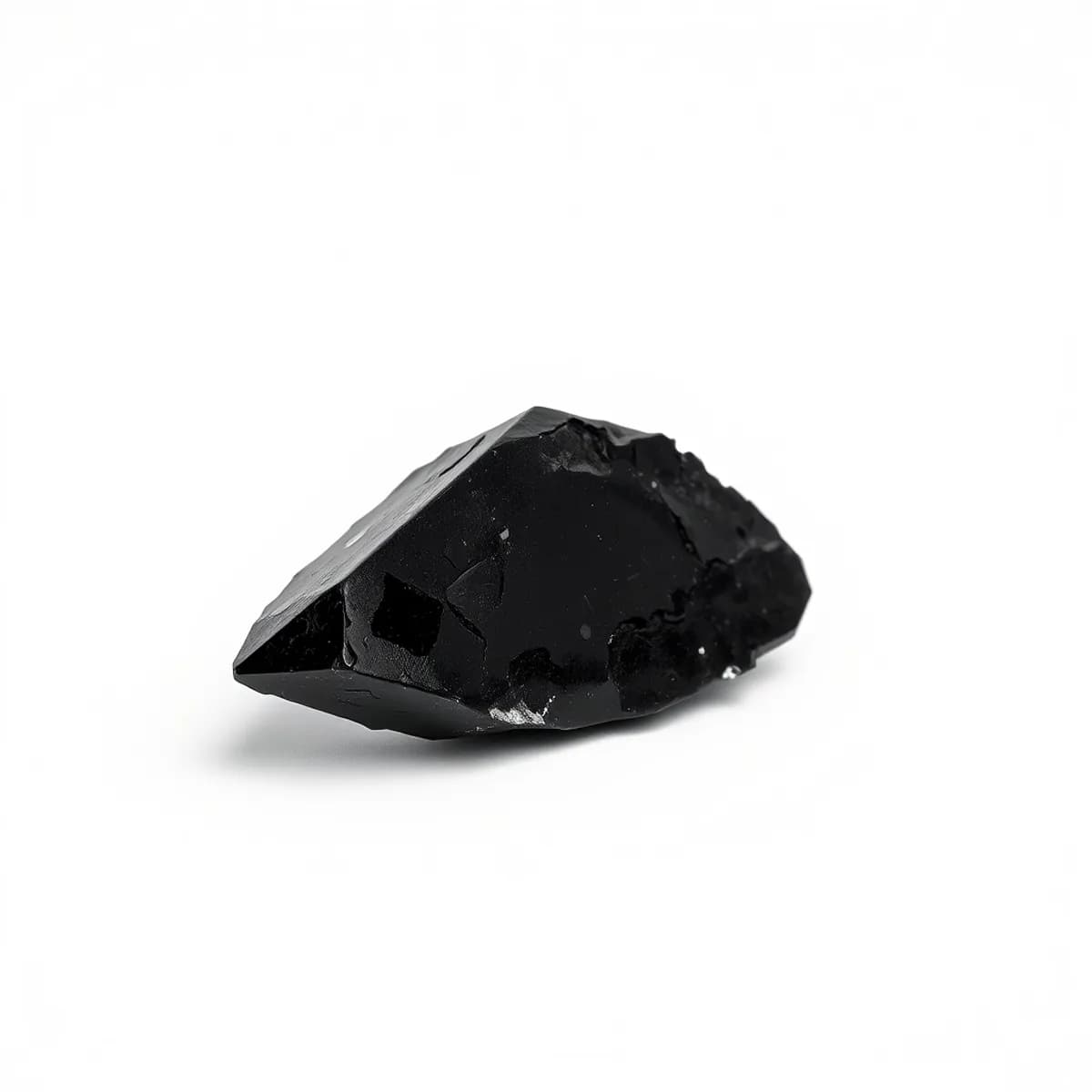
Black Tourmaline
A dense black silicate traditionally used as a protective and grounding stone. The piece practitioners keep by the door, the desk, or the bed.
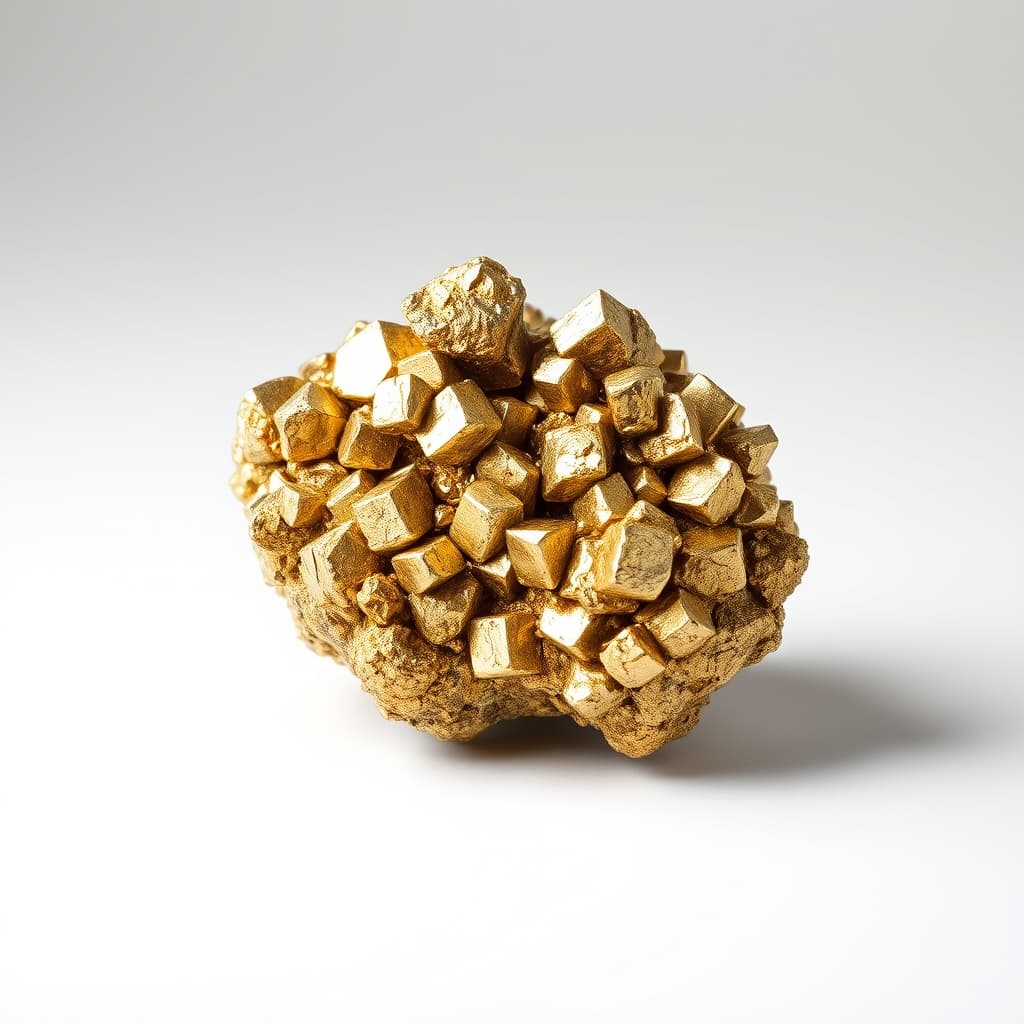
Pyrite
An iron sulphide that crystallises into bright metallic cubes, long known as fool's gold and quietly genuine in its own right.