
Howlite.
Calcium borosilicate hydroxide
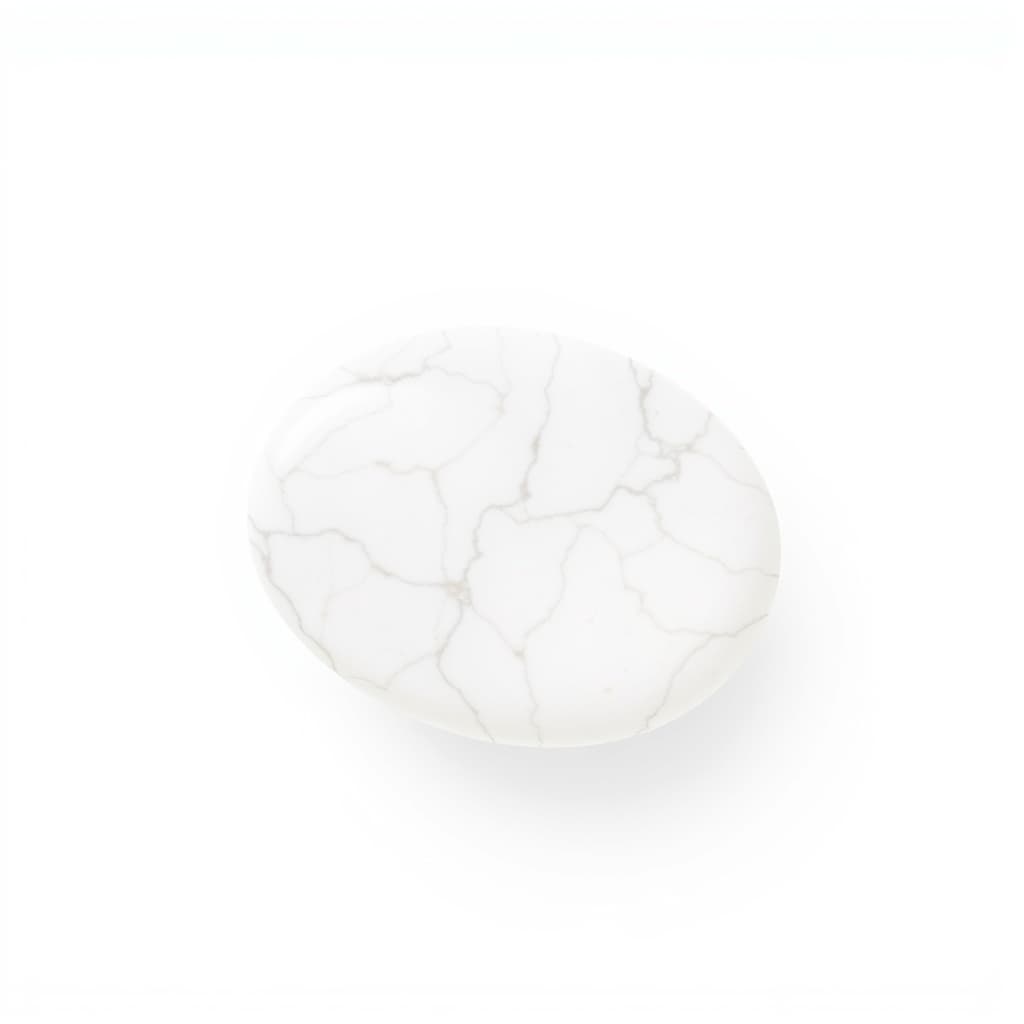
A white marbled borate stone often dyed blue and sold as imitation turquoise, quietly worth keeping in its undyed form for sleep and patience.
Quick facts11ShowHide
- ChakraCrown (Sahasrara)
- Mohs hardness3.5
- Mineral familyBorate
- OriginCanada (Nova Scotia), United States, Russia
- ColourChalk white with grey or black veining (often dyed blue)
- ElementAir
- ZodiacGemini, Virgo
- Sits well withSleep, patience, calm of mind
- Water safeBrief contact only
- Sun safeDyed pieces fade
- RarityCommon
Hand-picked howlite pieces are coming soon.
Until our shop is live, every order is hand-arranged through Instagram. Send a note, we will reply with what is currently in studio.
By subscribing you agree to receive weekly emails from AU Crystals. Unsubscribe anytime. See our privacy note.
Howlite is a calcium borosilicate first described from a Nova Scotia gypsum mine in 1868 by the Canadian mineralogist Henry How. The natural stone is chalk-white with grey or black veining that runs through it in a lacework pattern. The texture is porous and reasonably soft (three and a half on Mohs), which is why so much of the howlite in the wider crystal trade has been dyed.
That dyeing is the honest issue worth knowing about. Howlite takes dye exceptionally well, and a substantial fraction of the bright blue beads sold as turquoise on cheaper jewellery markets is actually dyed howlite. Real turquoise is harder, denser, and more uneven in colour. Dyed howlite tends to show colour bleeding along the veins and a uniform body that real turquoise rarely matches. The dye is not always disclosed, so a low-priced perfect-blue strand should be approached with some scepticism.
In its undyed form howlite has a quiet character that suits its colour. Modern crystal practice pairs it with the crown chakra and recommends it for sleep, patience, and the kind of mental calm that comes before rather than after a difficult conversation. A tumbled howlite under the pillow is a traditional sleep placement. The softness makes it less suited to jewellery worn in rough conditions, but a polished bead in a necklace or bracelet wears well with reasonable care.
Pairs well with.
See all pairings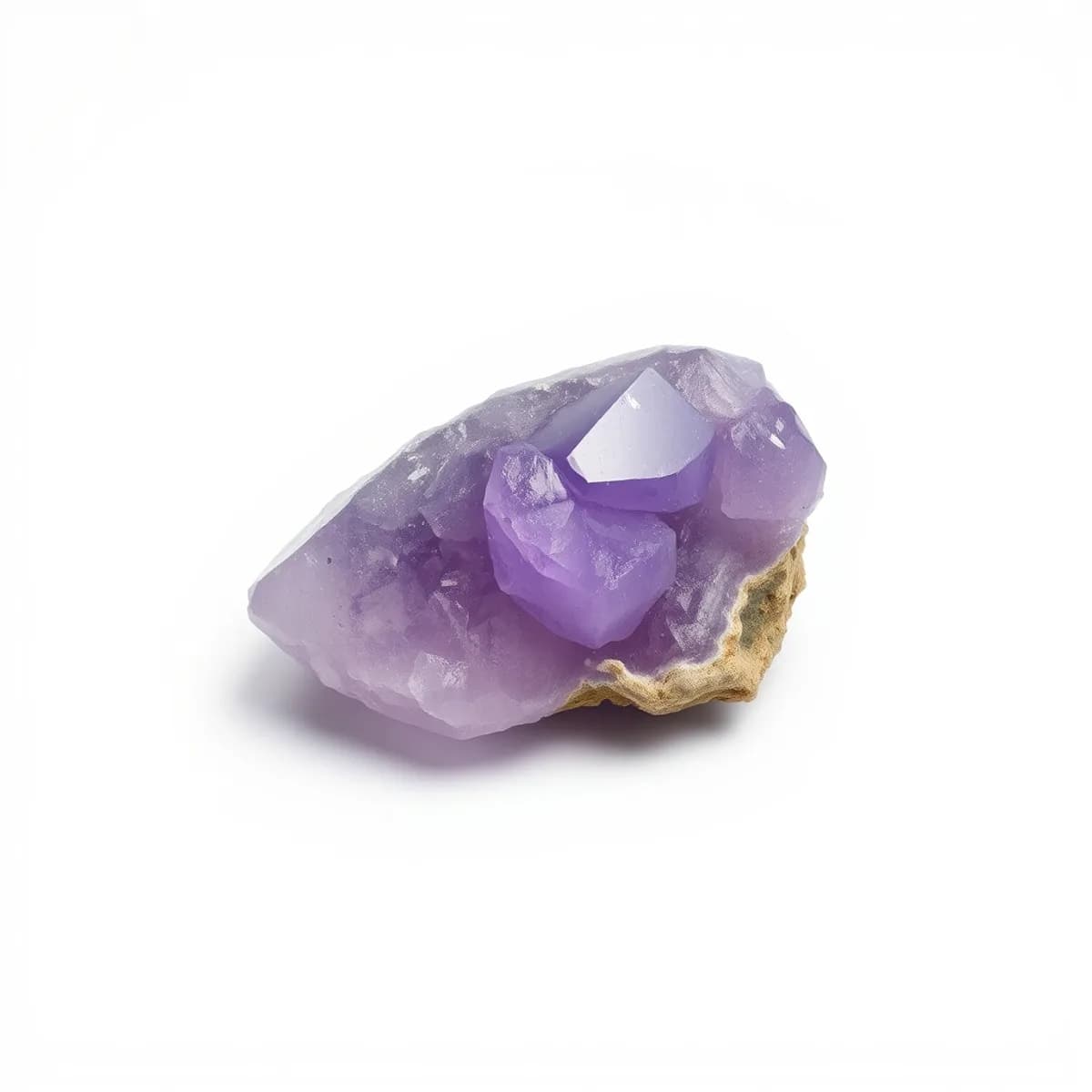
Amethyst
A violet quartz long associated with calm thinking, clear sleep, and the third-eye chakra. The stone we reach for when the mind needs to settle.
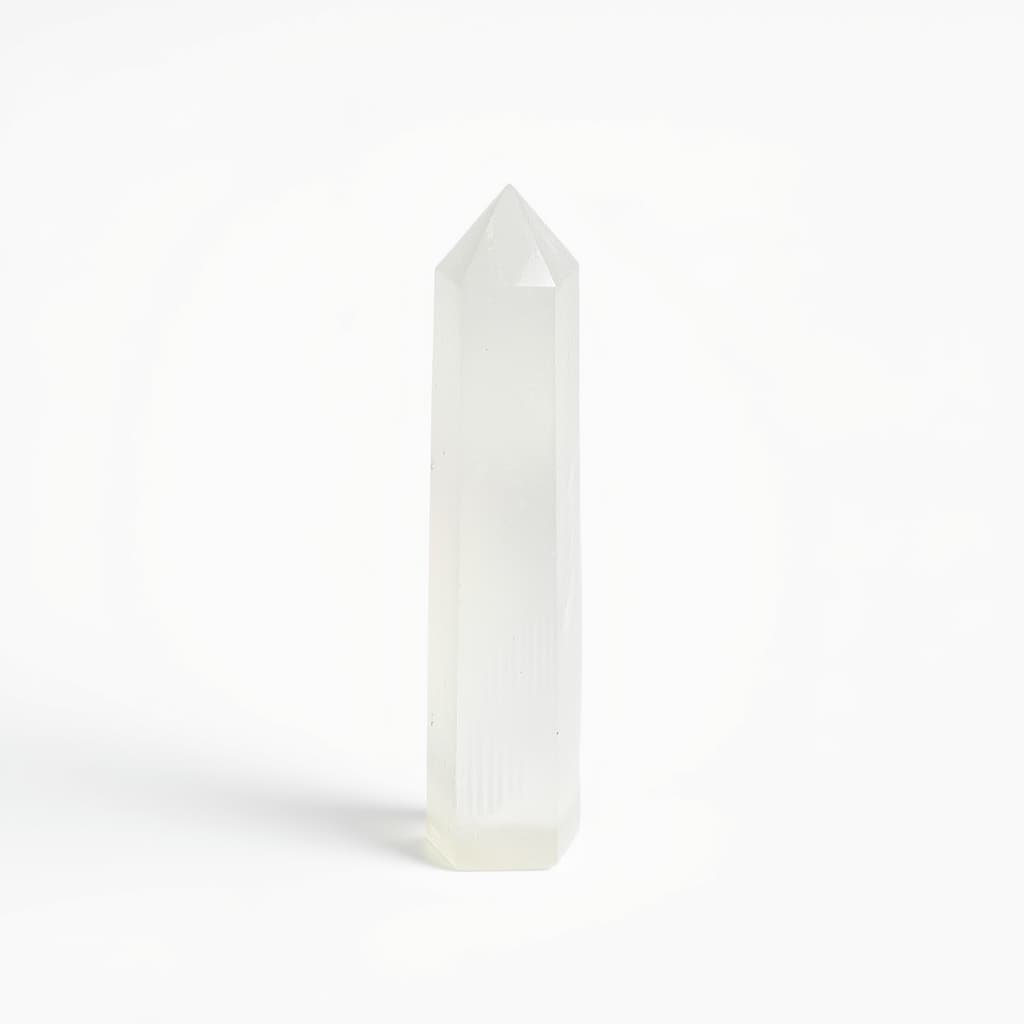
Selenite
A soft translucent gypsum named for the moon, traditionally used to clear and reset other stones in a practice space.
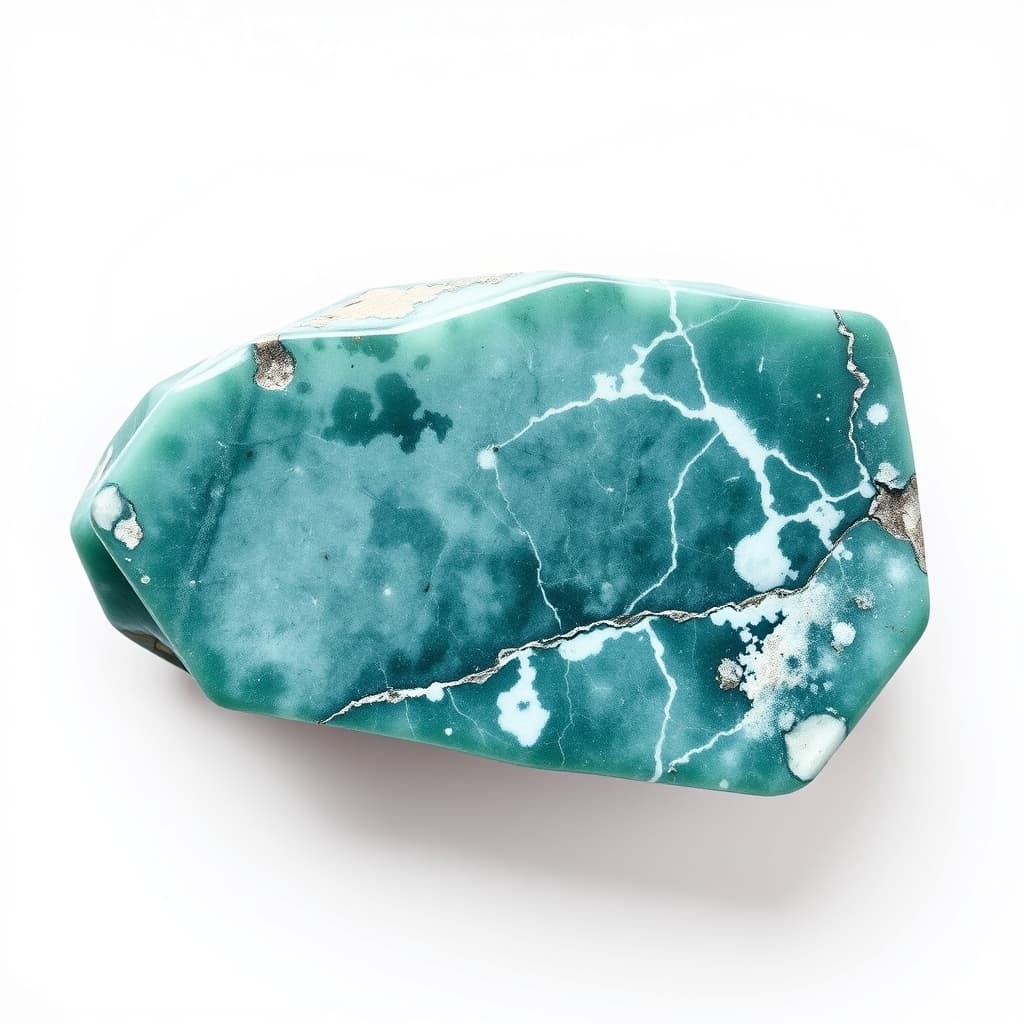
Amazonite
A teal-green feldspar paired with the throat chakra and the kind of conversation that needs both honesty and gentleness.
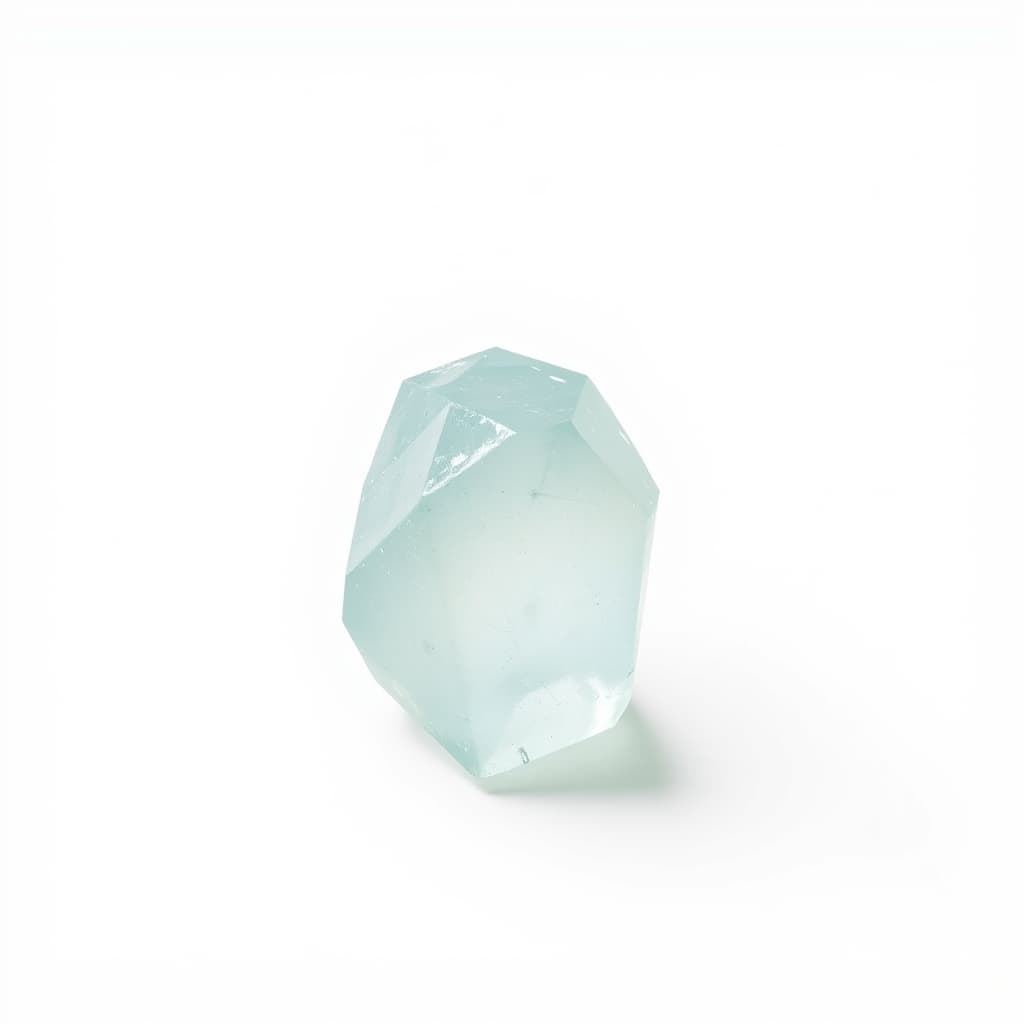
Aquamarine
Pale blue beryl, the same mineral family as emerald, long carried by sailors as a stone of safe passage and steady speech.