
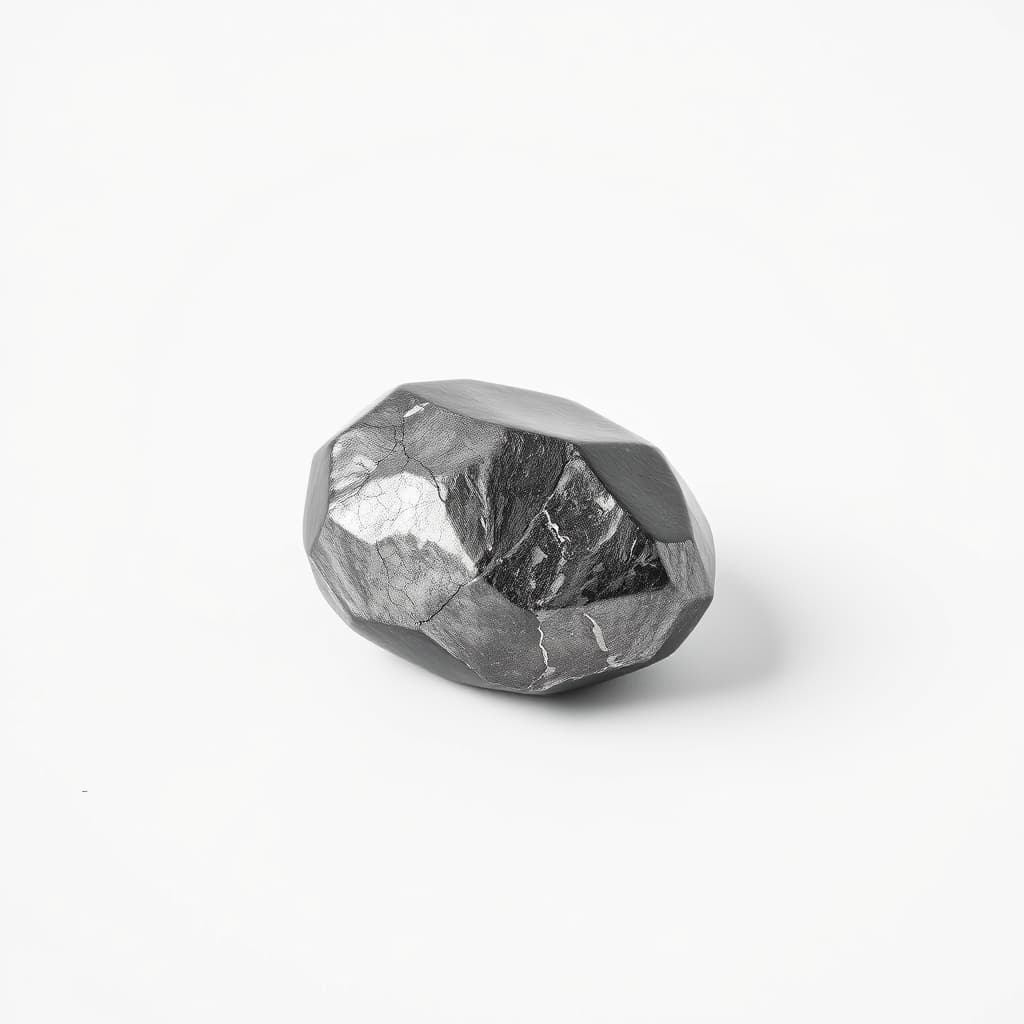
Obsidian.
Volcanic glass (amorphous silica)
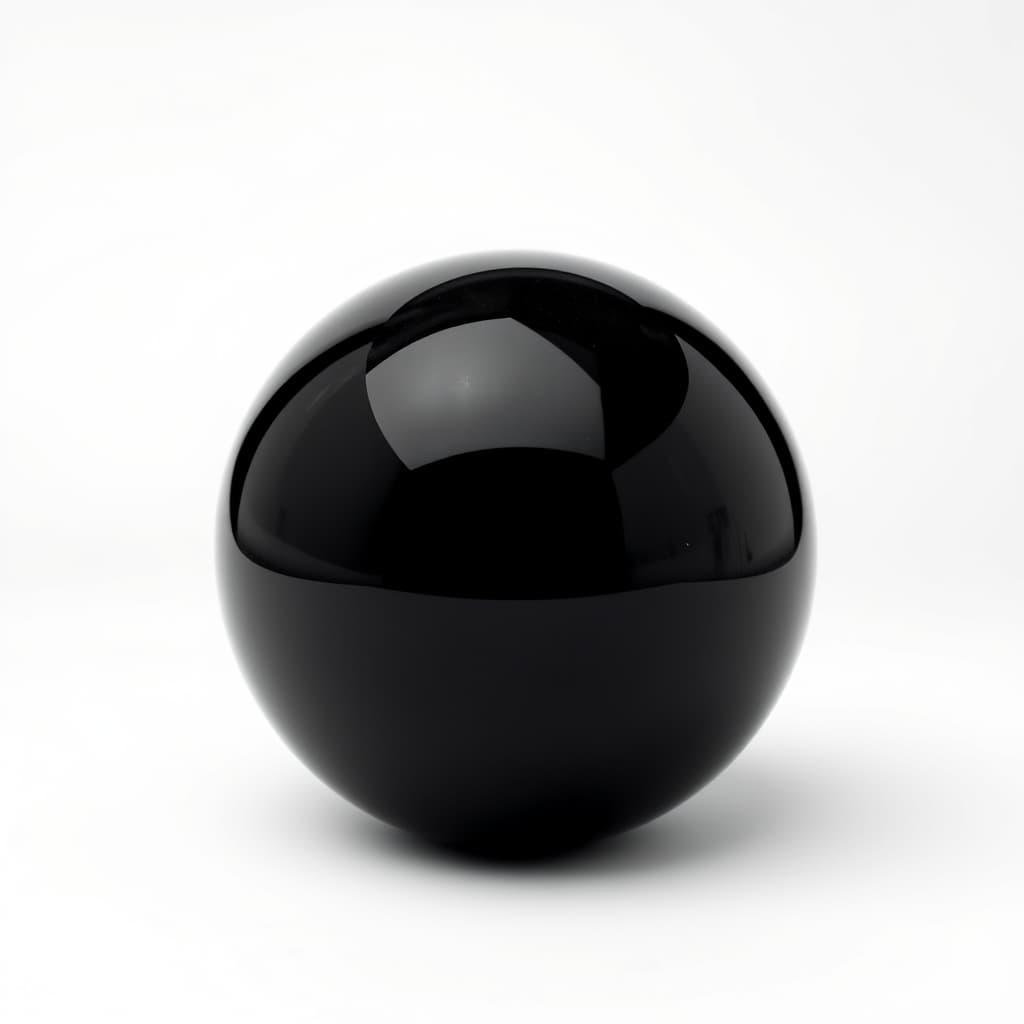
Volcanic glass formed when lava cools too fast to crystallise, used as cutting edge and scrying mirror across many traditions.
Quick facts11ShowHide
- ChakraRoot (Muladhara)
- Mohs hardness5 to 5.5
- Mineral familyVolcanic glass (mineraloid)
- OriginMexico, United States, Iceland, Italy, Armenia
- ColourBlack, with snowflake, mahogany, rainbow, sheen, and Apache tears varieties
- ElementEarth, Fire
- ZodiacScorpio, Sagittarius, Capricorn
- Sits well withHonest reflection, grounding, shadow work
- Water safeYes
- Sun safeYes
- RarityCommon
Hand-picked obsidian pieces are coming soon.
Until our shop is live, every order is hand-arranged through Instagram. Send a note, we will reply with what is currently in studio.
By subscribing you agree to receive weekly emails from AU Crystals. Unsubscribe anytime. See our privacy note.
Obsidian is volcanic glass, formed when felsic lava cools too quickly for crystals to grow. The result is amorphous silica with a conchoidal fracture sharp enough that flaked obsidian blades have been used in archaeological tool kits and in some modern surgical scalpels. The major varieties differ by inclusion: snowflake obsidian carries cristobalite spherulites, mahogany obsidian shows iron oxide bands, rainbow obsidian holds magnetite nano-crystals that produce sheen, and Apache tears are the small naturally weathered nodules of translucent black glass.
Across cultures obsidian served two parallel uses. As a tool material it edged Aztec macuahuitl blades, Anatolian neolithic knives, and Pacific Northwest fishing implements. As a scrying surface it appeared in John Dee's sixteenth-century Tudor cabinet (the polished Mexican obsidian mirror now in the British Museum) and in Mexica divinatory tradition long before. Both uses share the same basic property: obsidian shows a clean reflective truth without much filter.
In modern crystal practice obsidian sits with the root chakra and is treated as one of the more honest stones. It is the piece people choose when something needs facing rather than soothing. A polished sphere or palm stone is the most common form, and the weight in the hand is part of why it works for grounding. Avoid steam cleaners, which can fracture the glass through thermal shock, and handle freshly napped or chipped pieces with care because the edges are genuinely sharp.
Pairs well with.
See all pairings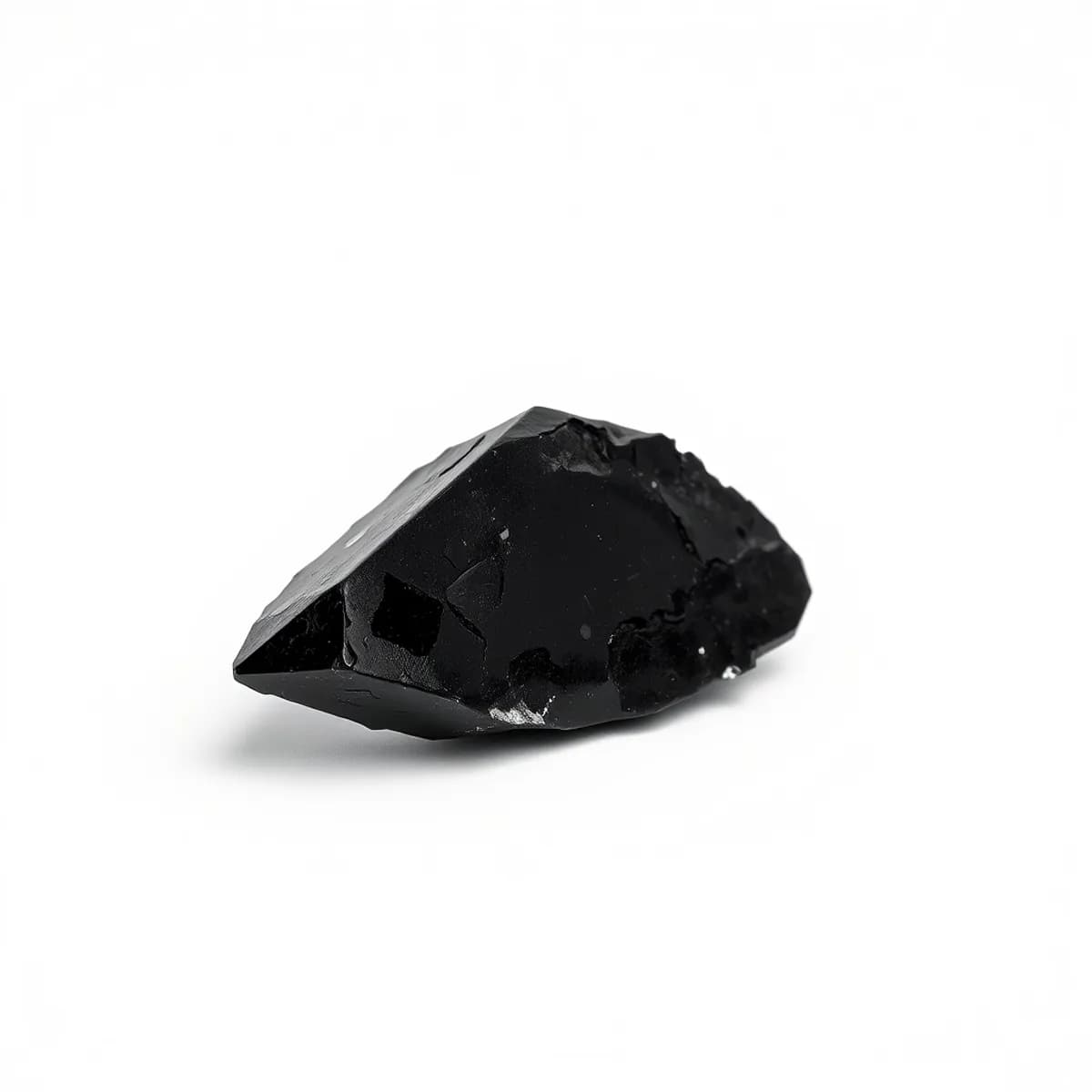
Black Tourmaline
A dense black silicate traditionally used as a protective and grounding stone. The piece practitioners keep by the door, the desk, or the bed.
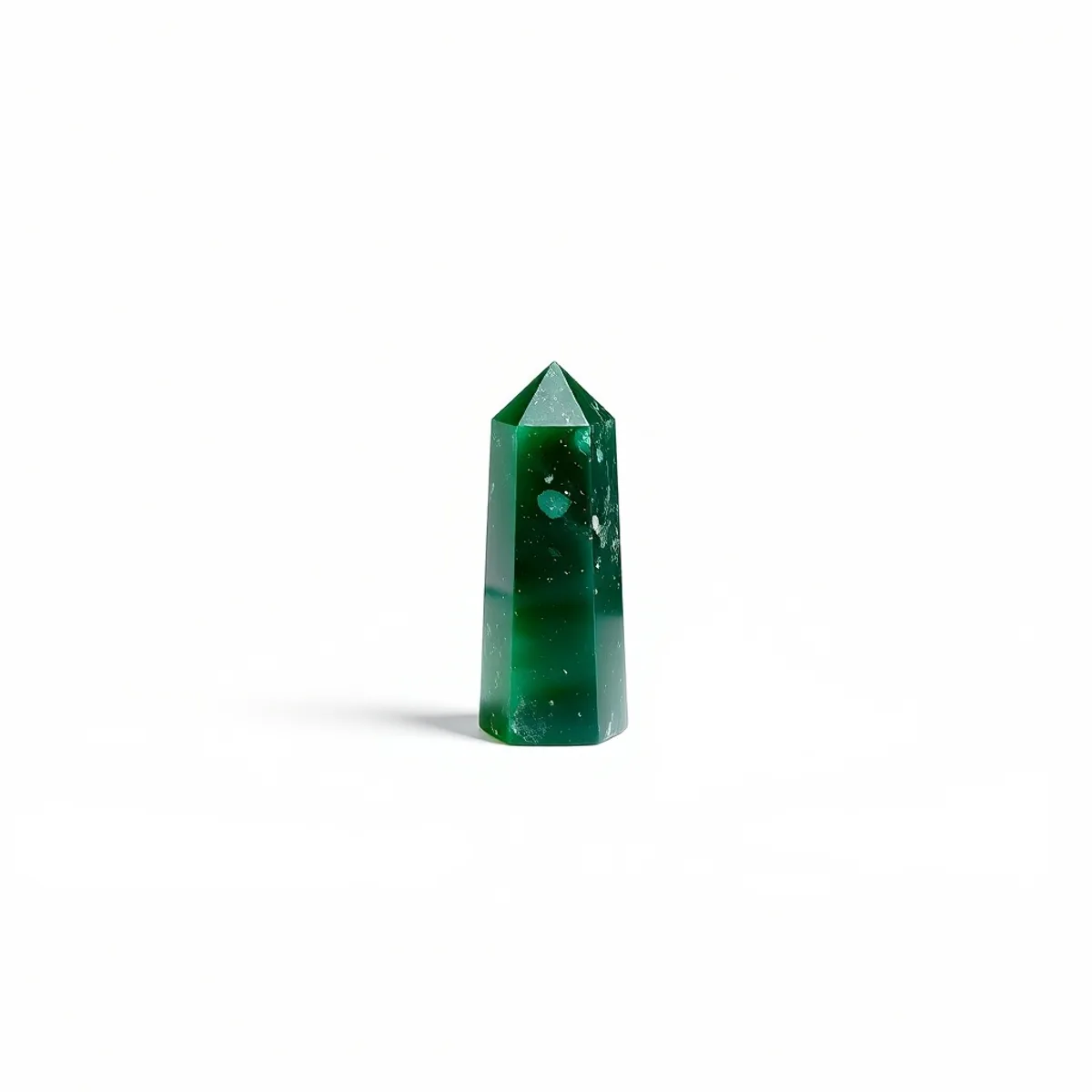
Bloodstone
A deep green chalcedony flecked with red, carried into Roman battlefields and medieval reliquaries as a soldier's stone of endurance.
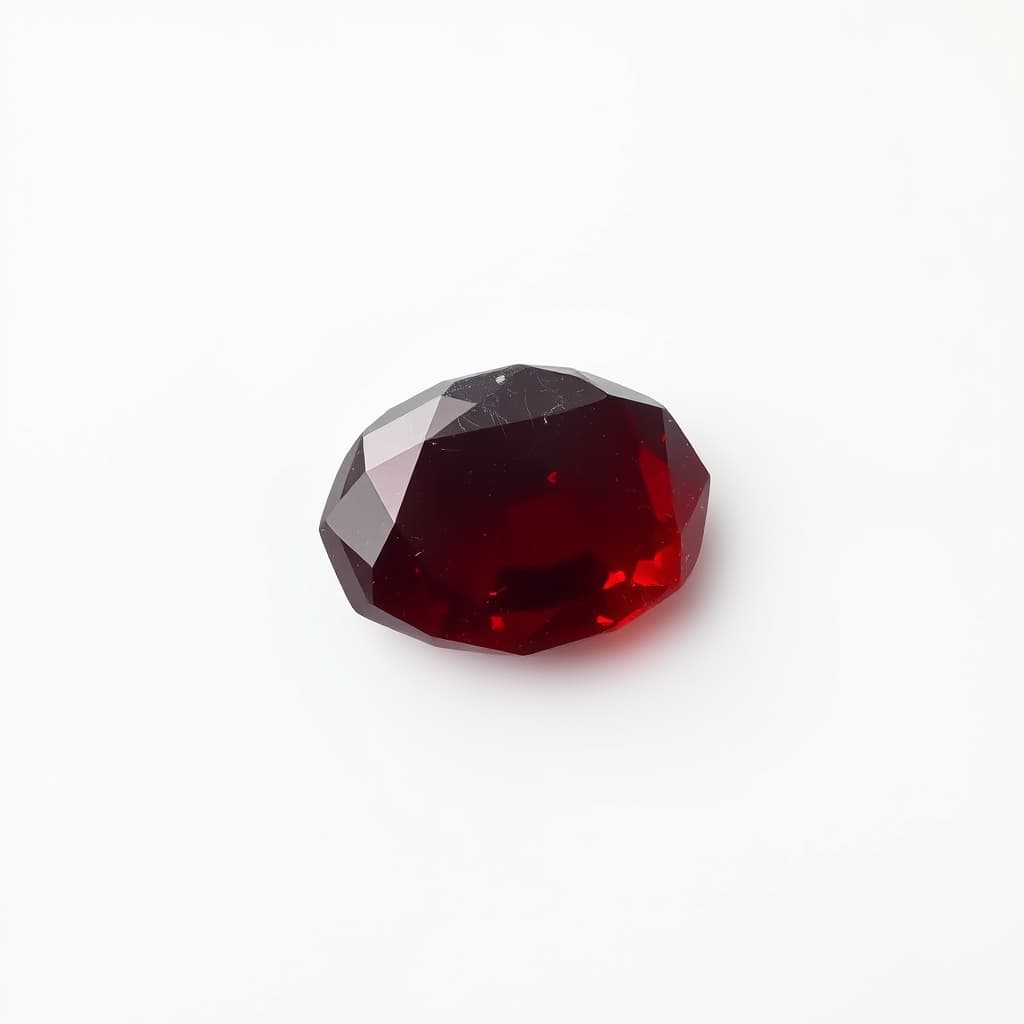
Garnet
A family of silicate minerals most often seen as deep red, traditionally the January birthstone and a quiet symbol of endurance.
Hematite
A dense iron oxide with a mirror sheen and a noticeable weight, traditionally a grounding stone and the source of natural red ochre.