
Green Aventurine.
Quartz with fuchsite mica inclusions
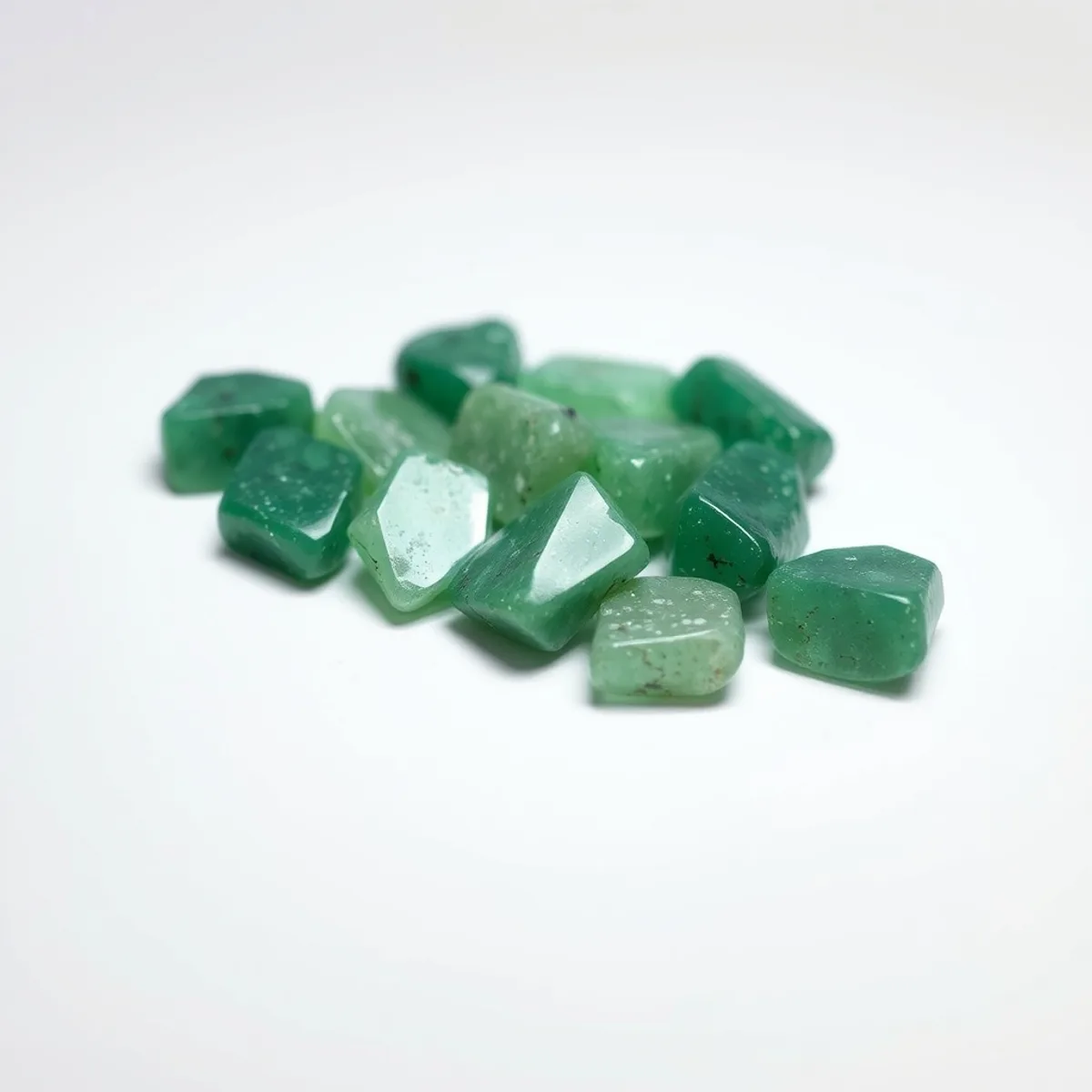
A pale green quartz with mica sparkle, the stone most often gifted as a gentle companion through new beginnings.
Quick facts11ShowHide
- ChakraHeart (Anahata)
- Mohs hardness6.5 to 7
- Mineral familyQuartz (silica)
- OriginIndia, Brazil, Russia, Tanzania
- ColourPale to medium green with subtle mica sparkle
- ElementEarth
- ZodiacTaurus, Virgo, Libra
- Sits well withNew beginnings, gentle confidence, heart ease
- Water safeYes
- Sun safeYes
- RarityCommon
Hand-picked green aventurine pieces are coming soon.
Until our shop is live, every order is hand-arranged through Instagram. Send a note, we will reply with what is currently in studio.
By subscribing you agree to receive weekly emails from AU Crystals. Unsubscribe anytime. See our privacy note.
Green aventurine is a quartzite carrying inclusions of fuchsite, a chromium-bearing mica that gives the stone both its soft green colour and the gentle metallic sparkle visible at the right angle. The optical effect is called aventurescence, the same family of inclusion-driven shimmer seen in sunstone, although noticeably softer in green aventurine. Indian deposits supply most of the trade material, with Brazilian and Russian sources adding higher-grade pieces.
The name traces to a happy accident in seventeenth-century Murano. Italian glassmakers spilled copper filings into a melt and produced a sparkling glass that became known as avventurina, from the Italian for chance or luck. The natural mineral was named afterward by analogy, and the association with luck attached itself to the stone in modern crystal practice.
In contemporary practice green aventurine sits with the heart chakra. It is the piece most often given at the start of something new: a job, a move, a return to study, the early stages of a relationship. The colour is softer than malachite or jade, and the meaning sits in the same gentle register: hope rather than triumph, the kind of small steady luck that comes from showing up rather than from chance. A tumbled piece in the pocket is the traditional carry, and the hardness of seven means it tolerates daily handling. Glass imitations exist, often too uniformly green and too evenly sparkling to read as natural stone.
Pairs well with.
See all pairings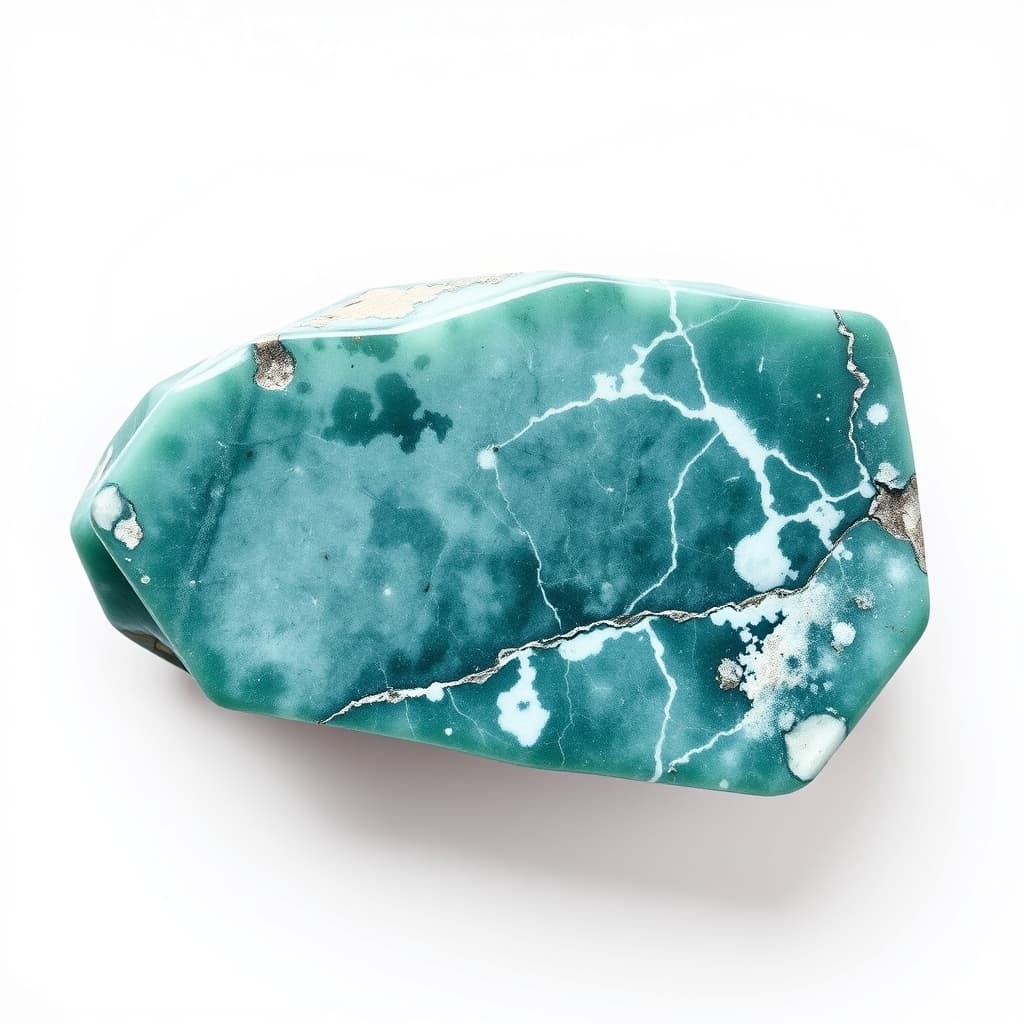
Amazonite
A teal-green feldspar paired with the throat chakra and the kind of conversation that needs both honesty and gentleness.
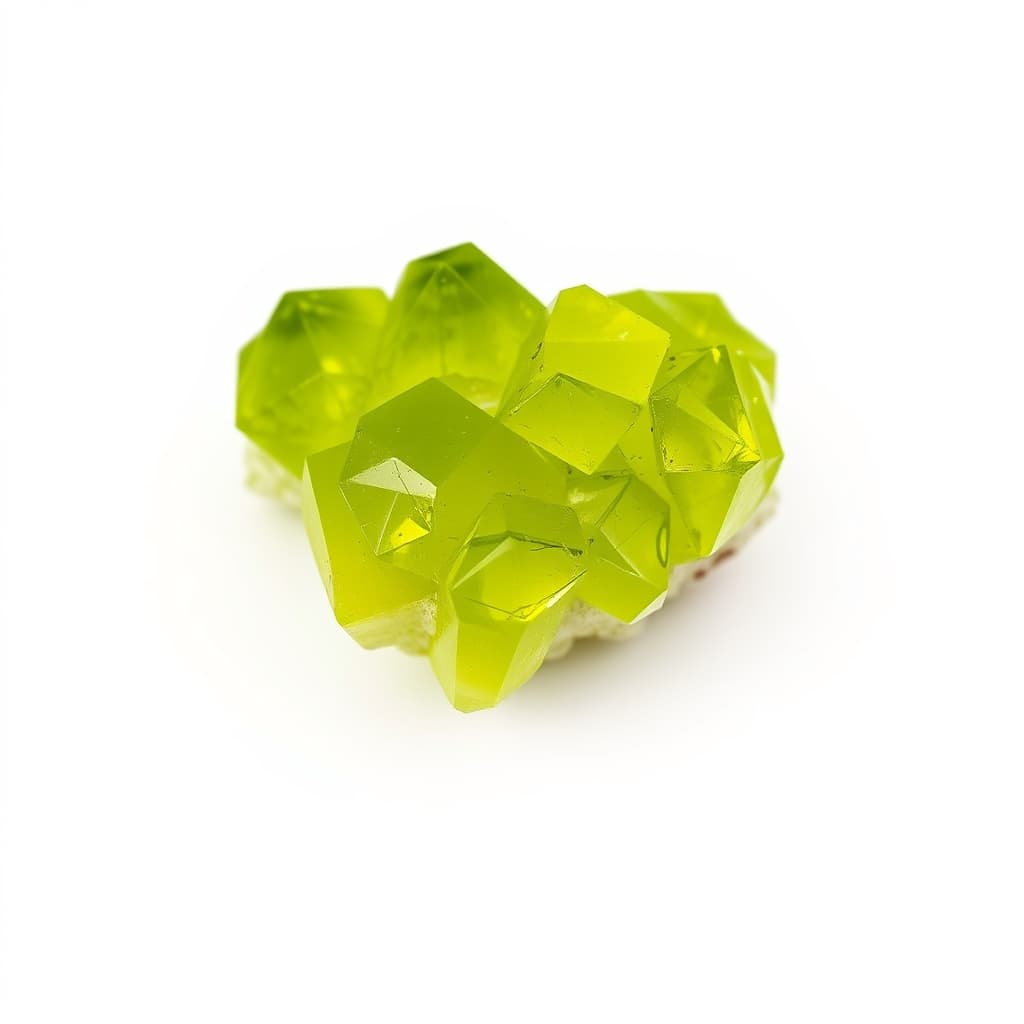
Peridot
A bright olive-green silicate formed deep in the mantle, traditionally the August birthstone and a quiet symbol of fresh start.
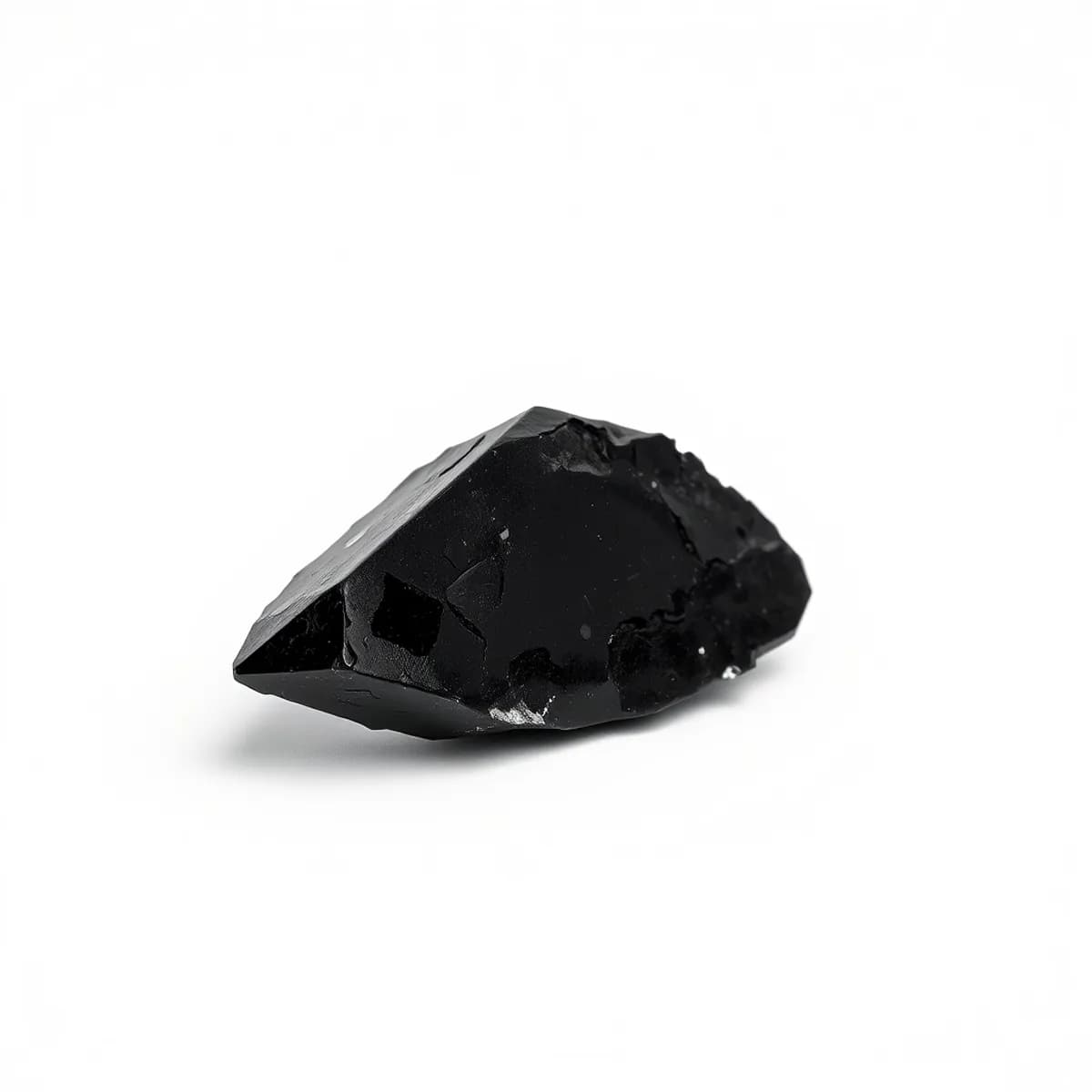
Black Tourmaline
A dense black silicate traditionally used as a protective and grounding stone. The piece practitioners keep by the door, the desk, or the bed.
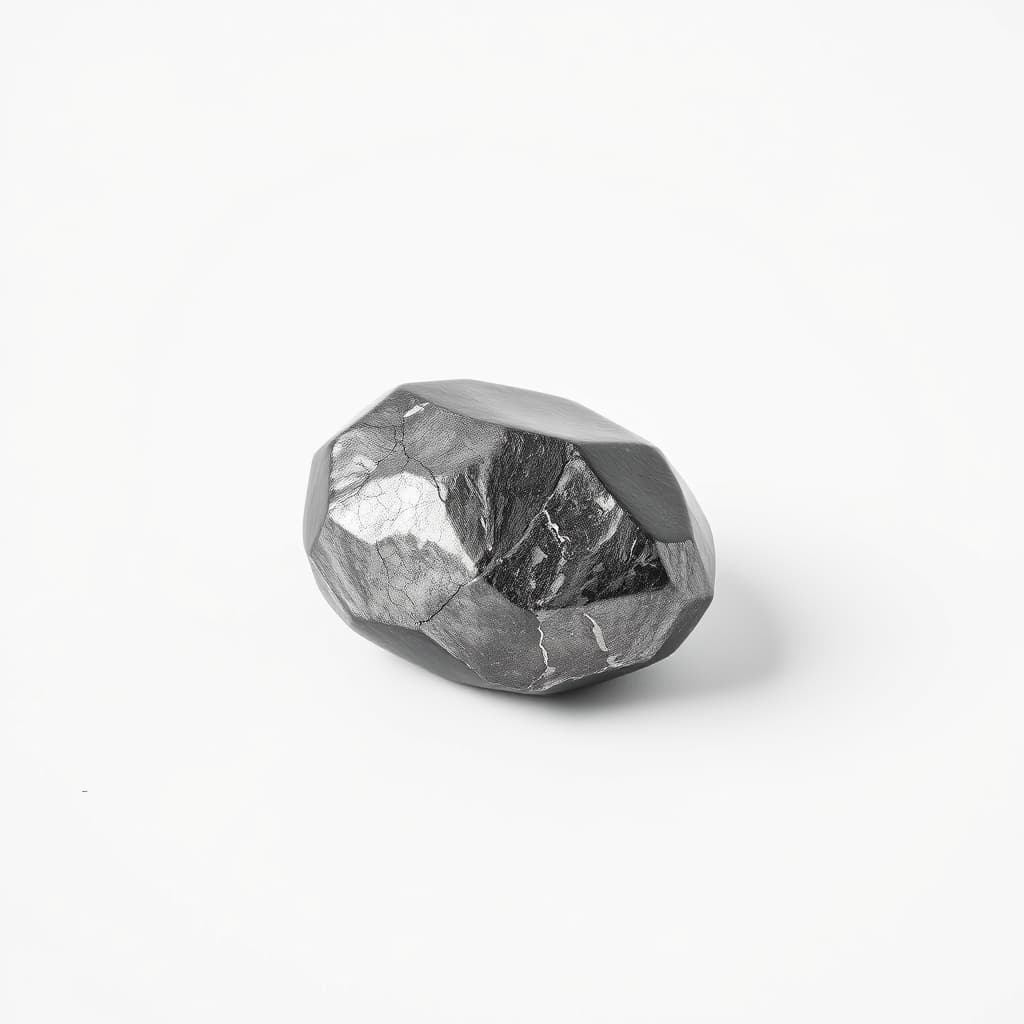
Hematite
A dense iron oxide with a mirror sheen and a noticeable weight, traditionally a grounding stone and the source of natural red ochre.