
Carnelian.
Chalcedony (microcrystalline quartz), red-orange variety
A warm red-orange chalcedony worn as a courage stone since the ancient world, traditional in seal rings and amulets across many cultures.
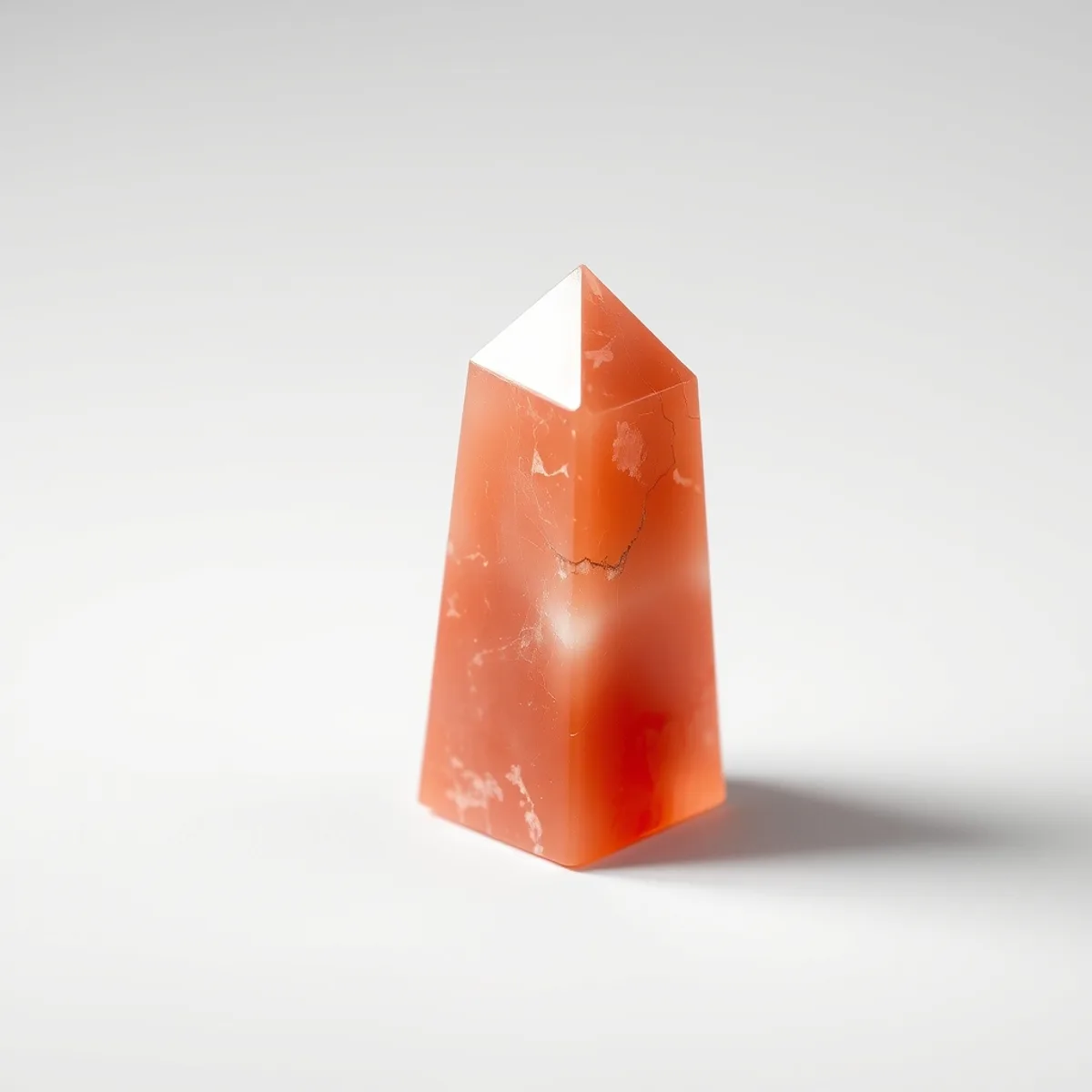
Quick facts11ShowHide
- ChakraSacral (Svadhisthana)
- Mohs hardness6.5 to 7
- Mineral familyQuartz (chalcedony)
- OriginIndia, Brazil, Madagascar, Uruguay
- ColourPale orange to deep red-brown, often translucent
- ElementFire
- ZodiacTaurus, Cancer, Leo, Virgo
- Sits well withCourage, vitality, creative starts
- Water safeYes
- Sun safeHeat-treated pieces stable, may slightly fade over years
- RarityCommon
Hand-picked carnelian pieces are coming soon.
Until our shop is live, every order is hand-arranged through Instagram. Send a note, we will reply with what is currently in studio.
By subscribing you agree to receive weekly emails from AU Crystals. Unsubscribe anytime. See our privacy note.
Carnelian is the red-orange variety of chalcedony, the microcrystalline form of quartz. The colour comes from finely dispersed iron oxide. Most modern material is heat-treated to deepen the orange, a practice that has been done in India for at least two thousand years and is essentially permanent. Reputable sellers disclose the treatment, but it is widespread enough that an entirely natural deep-red carnelian is the exception rather than the rule.
The stone has one of the longest continuous histories in jewellery. Egyptian funerary amulets, Mesopotamian cylinder seals, Roman intaglio rings, and Islamic signet rings all used carnelian. The reason was practical as much as symbolic. The stone takes a fine carved detail without chipping, and softened wax does not stick to a polished surface, so a carnelian seal pulls cleanly from the impression every time. Across these traditions the symbolic meaning stayed close to the same: courage, vitality, and the warmth of confident action.
In modern crystal practice carnelian sits with the sacral chakra. It is the stone people reach for at the start of something that needs bodily energy rather than careful thought: a creative project, a return to exercise, a difficult first conversation. A piece in the pocket or worn against the body is the traditional placement, and the hardness of seven means it tolerates daily wear with little fuss.
Pairs well with.
See all pairings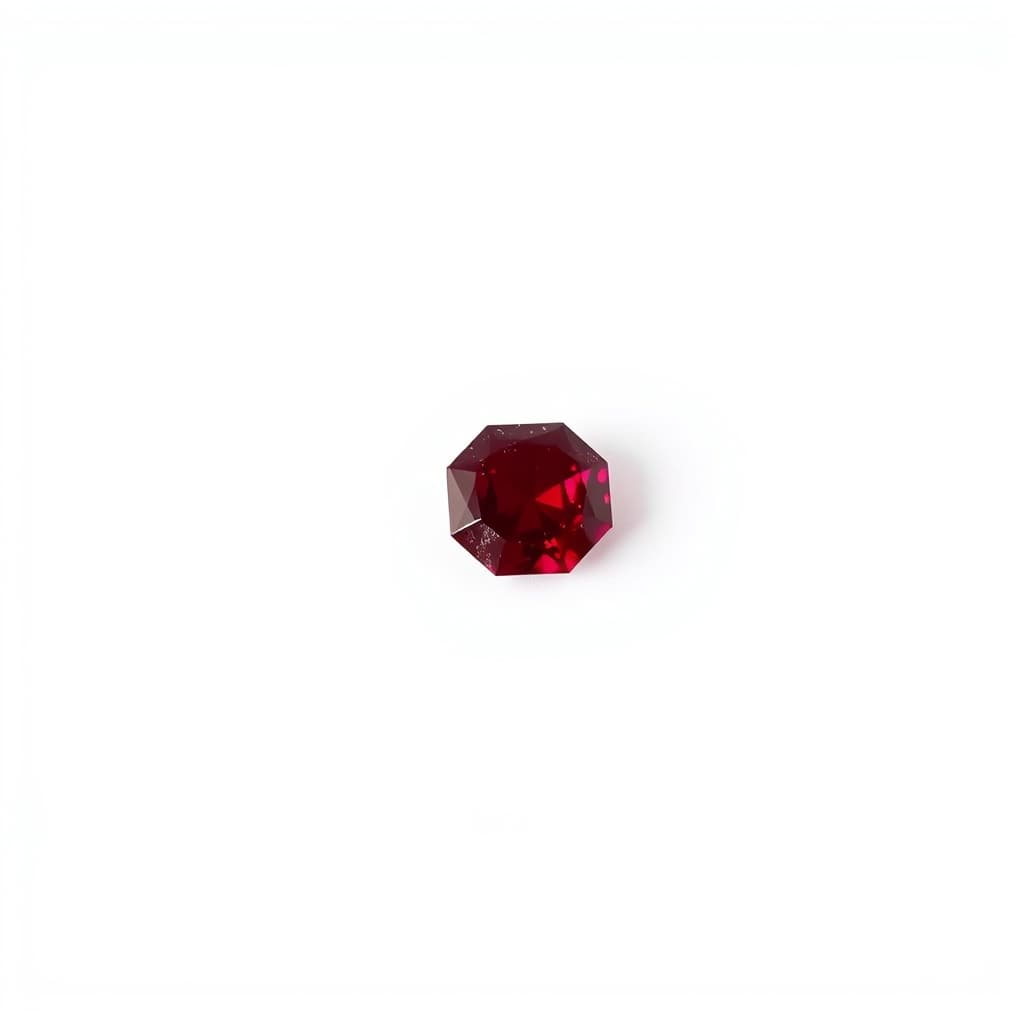
Ruby
The red variety of corundum, second only to diamond in hardness and traditionally the July birthstone of vital warmth.
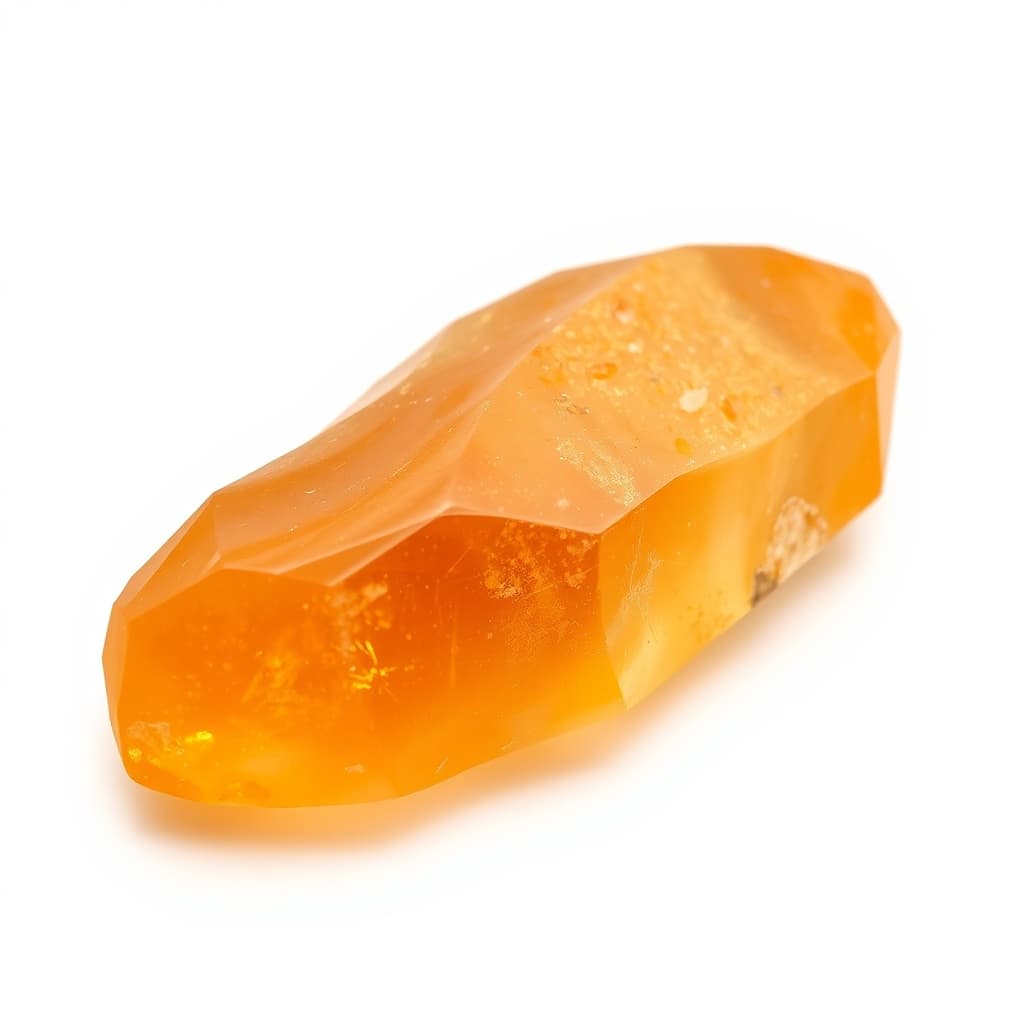
Sunstone
A copper-shimmer feldspar worn as a solar talisman across two thousand years, traditionally used for warmth, vitality, and quiet leadership.
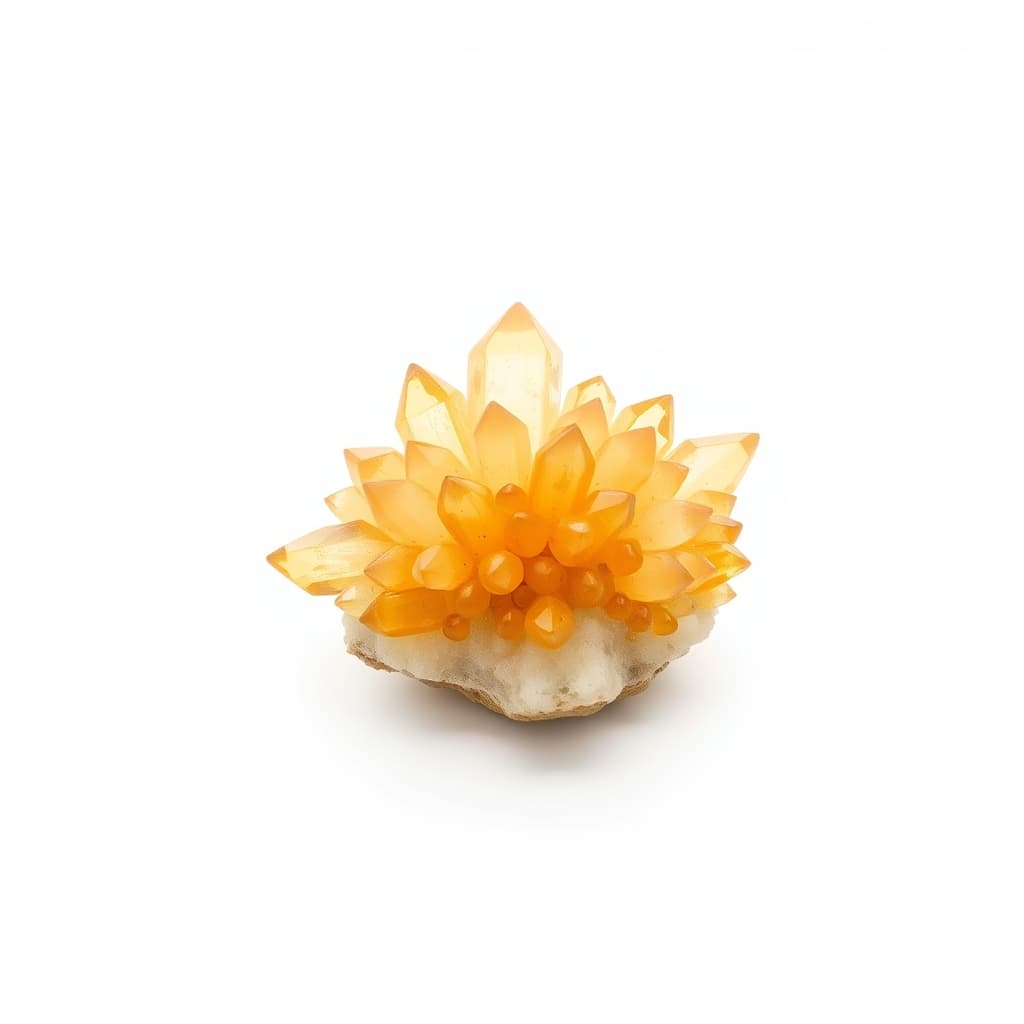
Citrine
The honey-coloured quartz long paired with the solar plexus and the part of life that has to do with confidence, abundance, and warm action.
Pyrite
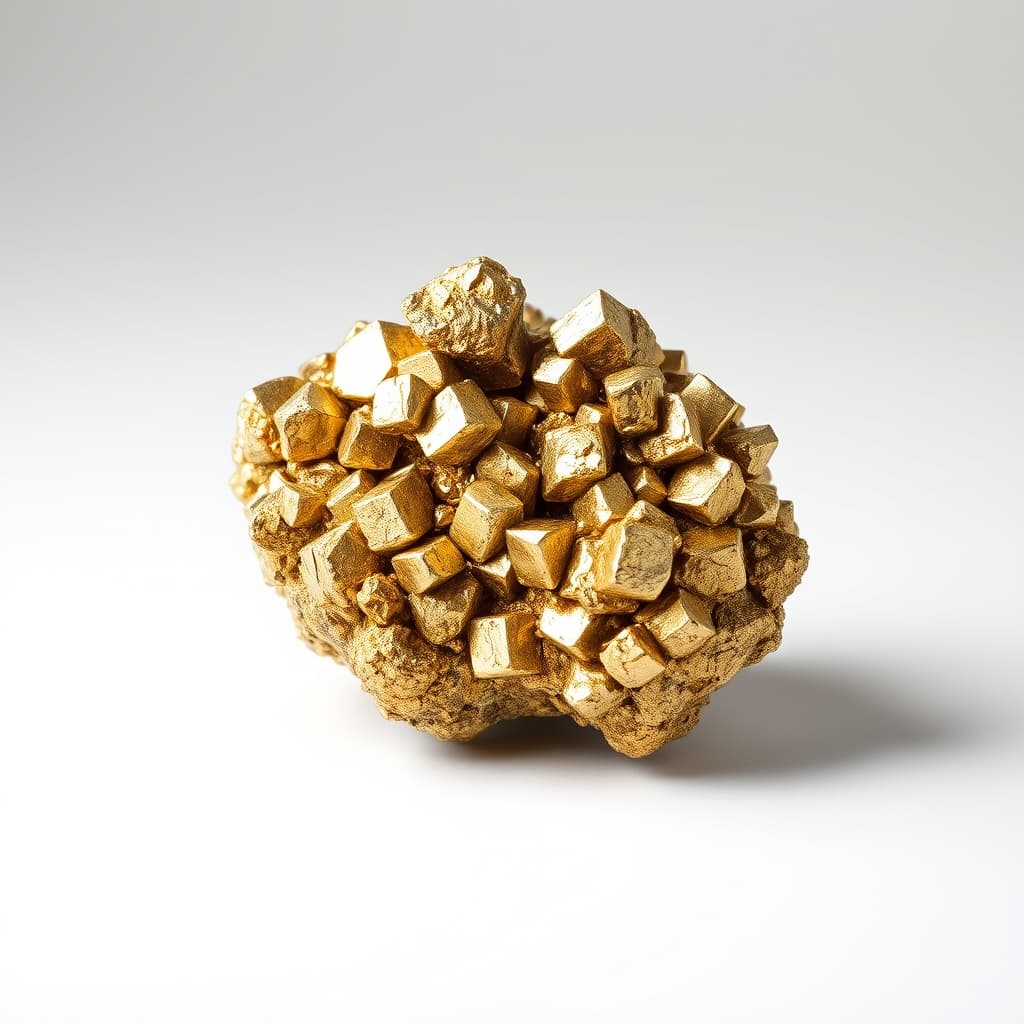
An iron sulphide that crystallises into bright metallic cubes, long known as fool's gold and quietly genuine in its own right.