
Crystals for Protection, Across Traditions
The protective stones that show up across Hindu, European, Indigenous, and Arab practice, and what each one actually protects against in the traditional reading. A considered guide rather than a fear-based list.
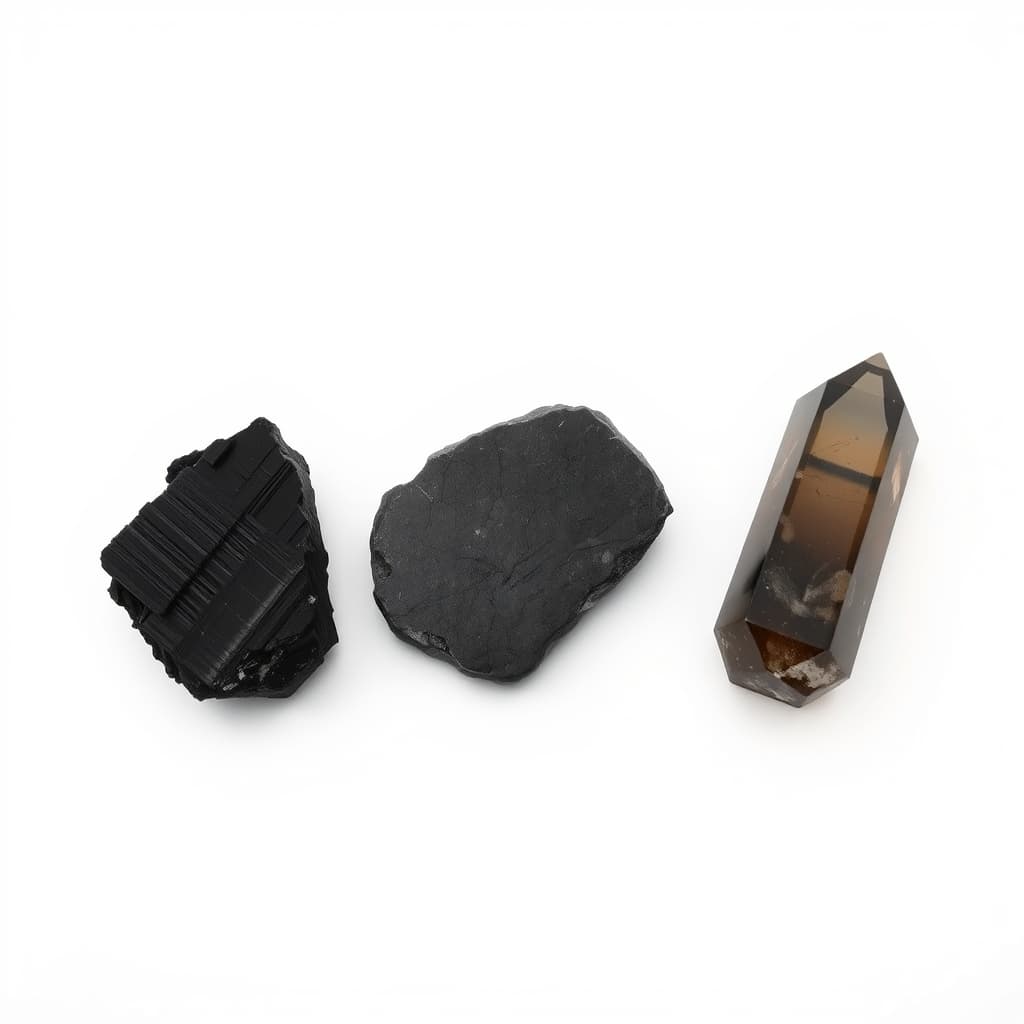
At a glance.
Quick read- ChakraRoot (Muladhara), Crown (Sahasrara)
- Mohs hardnessn/a
- Mineral familyProtective practice
- OriginHindu, European, Indigenous American, Arab
- ColourBlack, grey, dark
- ElementEarth
- ZodiacScorpio, Capricorn, Saturn-ruled
- Sits well withAnxious periods, threshold work, emotional reset
- Water safen/a
- Sun safen/a
- RarityCommon, intentionally
Protection is one of the oldest domains of crystal practice, and one of the most consistent across unrelated traditions. Hindu practice, European folk tradition, Indigenous American use, and Arab amulet-making all developed protective stone lineages without contact between them, which usually means the underlying experience is doing some of the work. This guide names the six stones that show up most consistently across these sources, explains what each one actually protects against in the traditional reading, and gives practical placement guidance.
What "protection" actually means in traditional practice
In material terms, a crystal does not deflect harm. Traditional practice does not claim otherwise. What the protective tradition says crystals do is support a specific internal quality: the capacity to remain steady when external circumstances push against you.
Three concrete things protective stones are traditionally used for:
- Staying anchored during anxious thinking. A physical stone in a pocket is a sensory reminder that the body is still present, which interrupts the spiral.
- Not absorbing other people's moods. People in service professions, caregiving, and conflict-resolution roles often report feeling "taken on" the emotional states of those they work with. Protective stones are the traditional response.
- Marking thresholds. Doorways, bedrooms, and other transition points traditionally benefit from a protective stone, creating a ritual boundary between one space and another.
These are real functions, done by tangible objects acting as attention anchors. The tradition works. It just does not work the way marketing sometimes implies.
The six traditional stones
1. Black tourmaline
The most universally protective stone in the tradition. Black tourmaline appears across Hindu, European, and Indigenous American practice as the primary protective mineral. It is the first recommendation in nearly every classical source.
Protects specifically against: absorbing external emotional states, anxious thinking, energetic overwhelm during conflict.
Traditional placement: by the front door, in a pocket, beside the bed.
2. Obsidian
Obsidian is the classical shadow-work stone, used across Mesoamerican and European sources. Its protective quality is specifically about seeing difficulty clearly rather than avoiding it.
Protects specifically against: self-deception, avoidance, denial of patterns that need reckoning.
Traditional placement: on a journaling desk, in the pocket during difficult conversations. Not a daily-carry stone; reserve for specific sessions.
3. Hematite
Hematite is the grounding stone of the protective set, used across Roman soldier practice and Renaissance European tradition. Its weight and mirror-like surface fit the traditional idea of reflective protection.
Protects specifically against: dissociation, scattered attention, over-reactivity.
Traditional placement: in a pocket during meetings, on a desk during long work sessions.
4. Smoky quartz
Smoky quartz is the gentler quartz-family protective stone. Where black tourmaline is dense and absorbent, smoky quartz is translucent and transforms rather than absorbs. European tradition pairs it with long-term protective work.
Protects specifically against: accumulated low-grade stress, chronic background anxiety, subtle emotional drain.
Traditional placement: on a desk where daily work happens, beside the bed for sleep.
5. Tourmalinated quartz
Tourmalinated quartz carries both the amplification of clear quartz and the protection of black tourmaline in a single specimen. Some sources consider it more potent for protective work than either component alone.
Protects specifically against: the same as black tourmaline, with the amplification quality of clear quartz added.
Traditional placement: as jewellery (the two-in-one nature makes it useful for continuous wear), by a workspace, or at an altar.
6. Amethyst
Amethyst is included in protective traditions specifically for sleep and night anxiety. Its third-eye association carries into protective dream work.
Protects specifically against: racing thoughts before sleep, nightmares, night anxiety.
Traditional placement: on the bedside table, under the pillow (small tumbled piece), or on a dream-journaling spot.
A comparison table
| Stone | Primary protection | When to use |
|---|---|---|
| Black tourmaline | External emotional absorption | Default for any anxious period |
| Obsidian | Self-deception, avoidance | Specific shadow-work sessions |
| Hematite | Scattered attention, dissociation | Meetings, focus work |
| Smoky quartz | Chronic background stress | Daily wear during difficult phases |
| Tourmalinated quartz | Amplified protection | Jewellery, continuous wear |
| Amethyst | Night anxiety, nightmares | Bedside, sleep work |
Traditional placement patterns
Five specific placements that recur across traditional sources.
At the front door
Black tourmaline or tourmalinated quartz placed just inside the threshold, either in a small bowl on a table or as a piece sitting on a shelf. This is the universal protective placement across European, Indigenous American, and Hindu folk practice.
On the bedside table
Amethyst for night anxiety, or smoky quartz for chronic stress. Black tourmaline for people who have recurring nightmares or difficulty sleeping during anxious periods.
In a pocket during difficulty
Small tumbled pieces of black tourmaline or hematite, carried on difficult days. The physical sensation of touching the stone is half the practice; the stone is the reminder to pause.
At a workspace
Smoky quartz or hematite on the desk. For service professionals (therapists, teachers, healthcare workers), this is particularly useful as a daily presence.
On a shadow-work spot
Obsidian on a journaling desk or meditation cushion, used only during sessions explicitly for shadow work. Put away afterwards.
What to avoid
Four traps in protection-work practice.
Relying on the stone in place of the practice. The stone supports internal capacity. It does not replace difficult conversations, therapy, or external action when those are needed. A protective crystal and a steady life are a pair.
Wearing an obsidian piece continuously. Obsidian is intense. The tradition treats it as a specific-session stone, not a daily-carry. Continuous wear is uncomfortable for most people.
Over-layering stones. Three or more simultaneous protective stones start to scatter. The tradition caps at two or three, with one usually primary. A single focused pair is stronger than a crowded bowl.
Treating "negative energy" as a vague enemy. The traditional protection is specific: anxious thoughts, absorbed moods, scattered attention. If you cannot name what you are protecting against, the practice is too vague to be useful.
A closing thought
Protective practice is one of the most ancient and most continuous parts of the crystal tradition. A black tourmaline on the windowsill is continuous with practices that predate most modern religions. Use a single stone deliberately for thirty days before adding another. That is how the tradition was always meant to work.
For the individual stones, start with black tourmaline and obsidian. For the amplified pairing, see tourmalinated quartz. For broader anxious-period practice, see our crystals for anxiety guide.
A few honest questions.
Do protective crystals actually protect me from anything?
In the material sense, no. A crystal does not deflect physical harm. What traditional practice says it does is support your own inner capacity for steadiness under stress, which is different from an external shield. The protection is about being less reactive to difficulty, not about preventing difficulty from happening.
Should I wear a protective crystal all the time?
Tradition varies. Some practitioners wear a single stone continuously (black tourmaline, often). Others rotate based on circumstance. A useful rule: wear it when you need the reminder, take it off when you do not. The ritual of deliberately putting it on is part of the protective work.
What is the difference between grounding and protection?
Grounding stabilises you in your own body and present circumstance. Protection specifically addresses external input (other peoples moods, anxious thinking, energetic overwhelm). Many stones do both; black tourmaline is primarily protective, hematite primarily grounding.
Can I combine protective stones?
Yes, and tradition recommends it for specific circumstances. Black tourmaline plus selenite is the classical home-threshold pairing. Obsidian plus hematite suits intense emotional work. Two or three stones is the typical cap.
Keep reading.
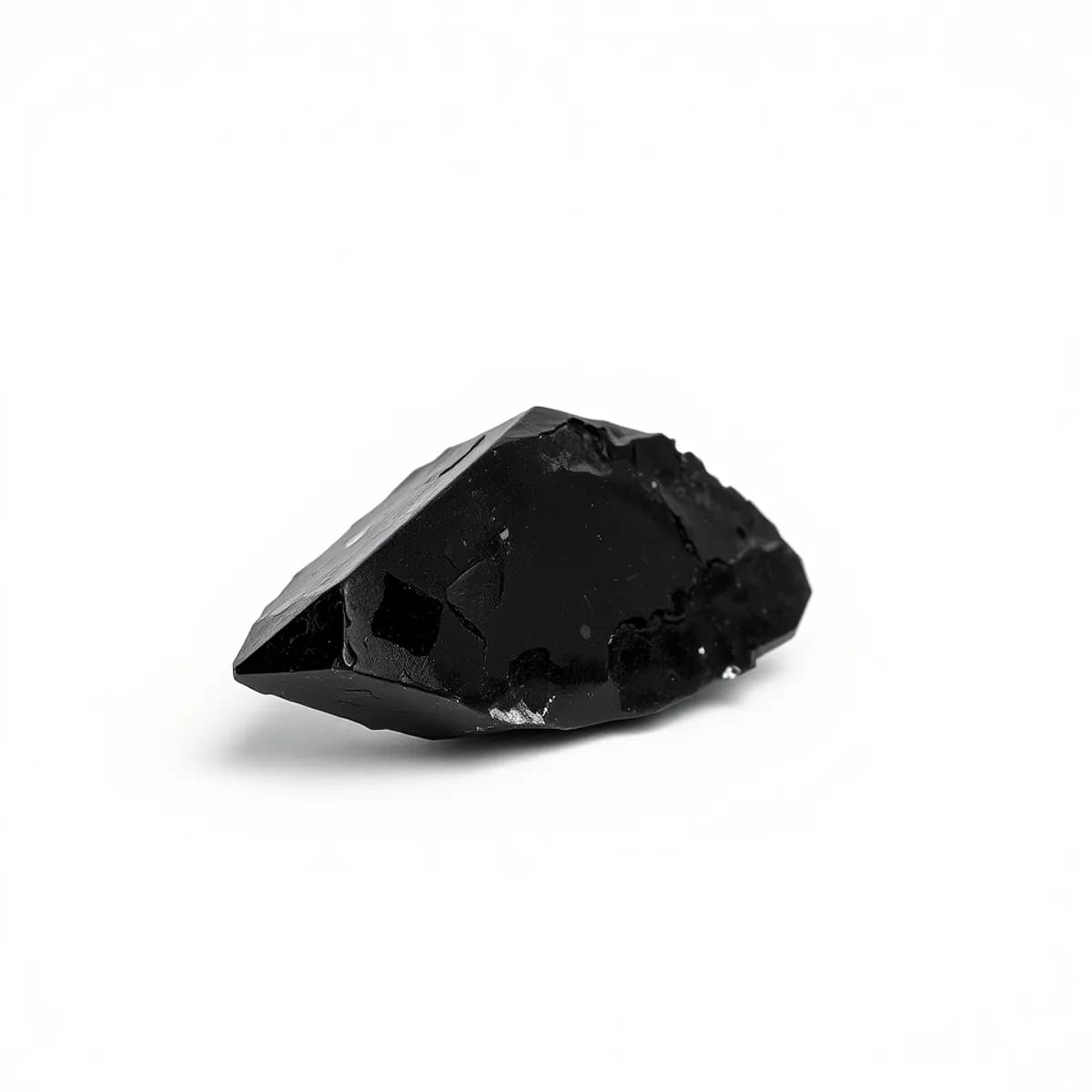
Black Tourmaline, the Stone People Ask For When Life Is Loud
The protective stone in almost every tradition that touches black stones. A look at what tourmaline actually is, why practitioners recommend it for overwhelm, and how to tell polished tourmaline from dyed obsidian.
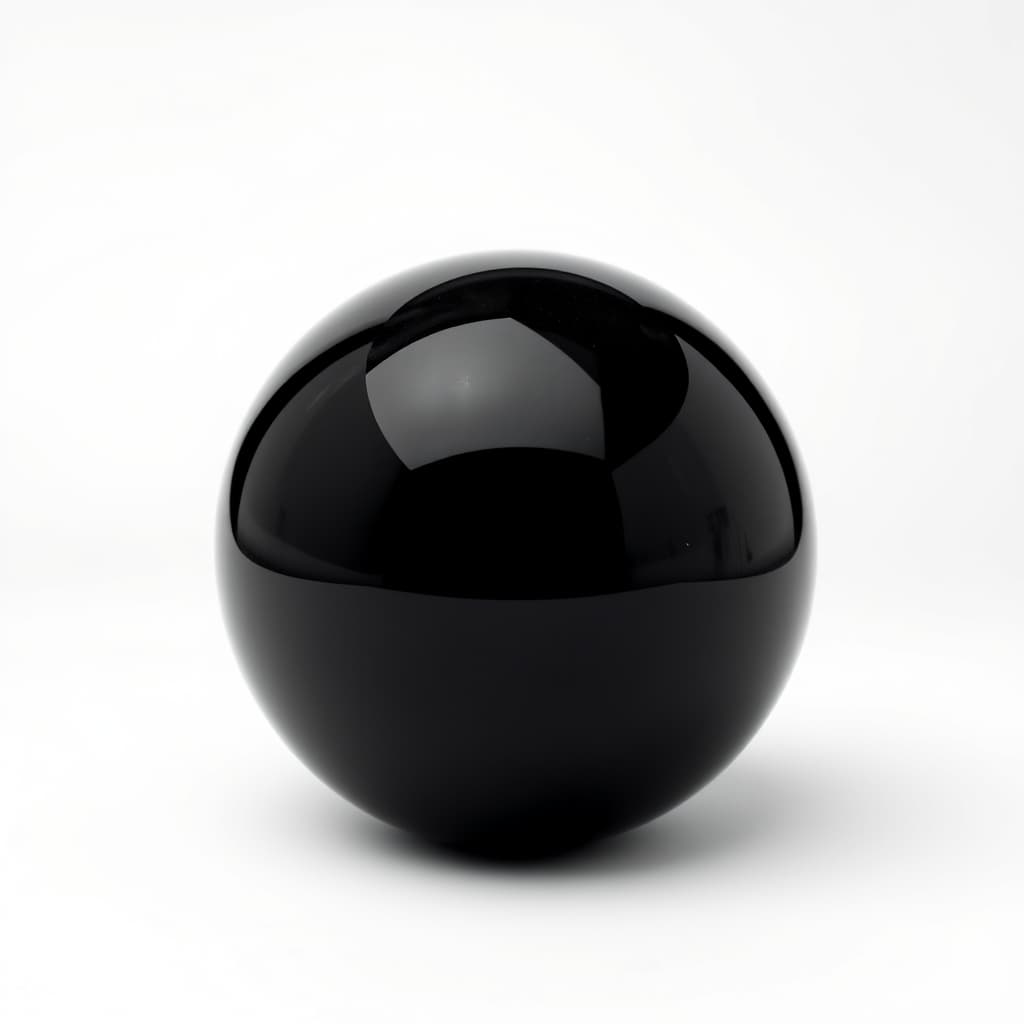
Obsidian, the Mirror Stone
Volcanic glass old enough to predate agriculture, sharp enough to have been the scalpel of choice in some modern surgeries. A careful look at its varieties, its long tradition as a mirror, and why it is one of the most honestly difficult stones in the crystal world.
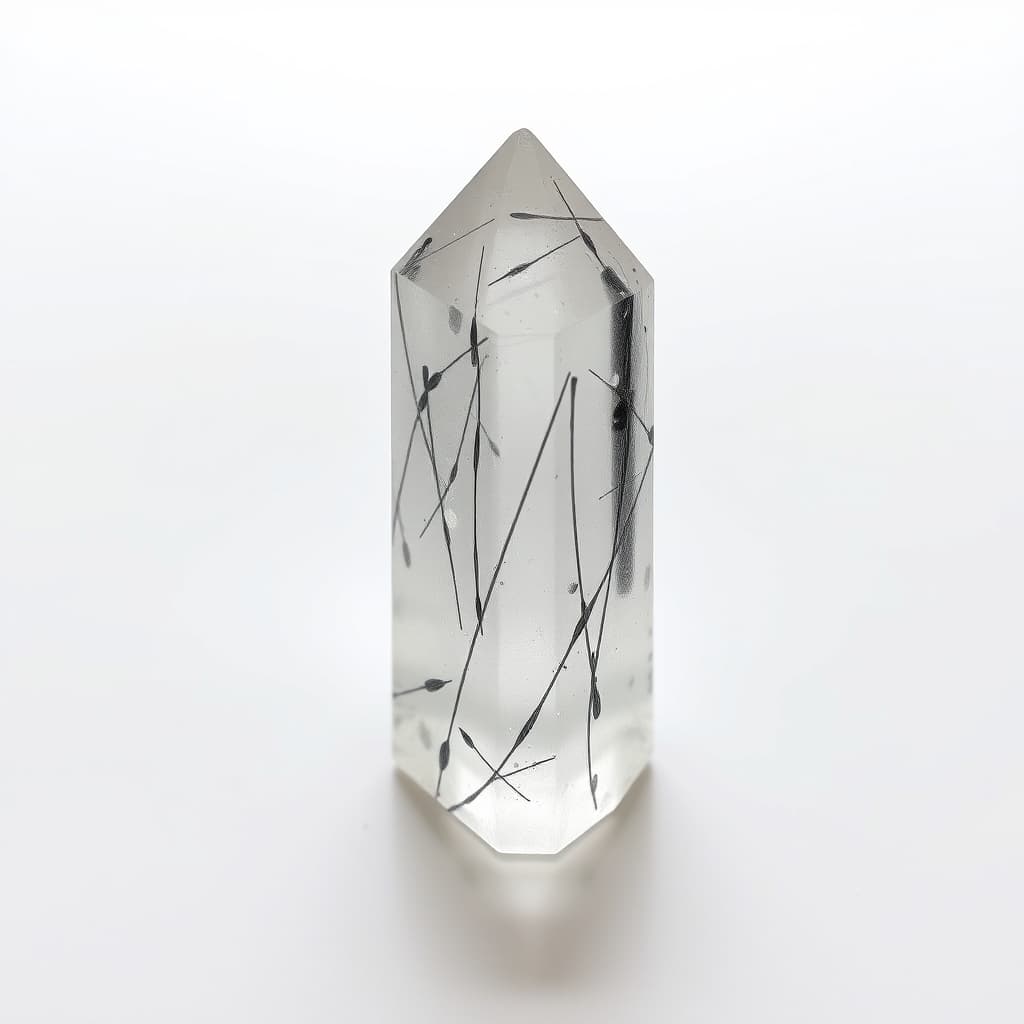
Tourmalinated Quartz, Two Stones Growing Inside One
A quartz crystal shot through with black tourmaline needles, carrying the symbolic work of both stones simultaneously. The mineralogy behind the inclusion growth, the traditional protective meaning, and buying guidance.
Mentioned in
Sit with us on Sundays.
One quiet letter every week. New writing, a crystal to consider, and whatever we have been thinking about. No tracking pixels, no affiliate noise.
By subscribing you agree to receive weekly emails from AU Crystals. Unsubscribe anytime. See our privacy note.