
Crystals for Manifestation, Honestly
The stones traditionally used for intention-setting, and what the tradition actually means by manifestation before the social-media era attached the word to wish fulfilment. A considered practice rather than a cheat code.
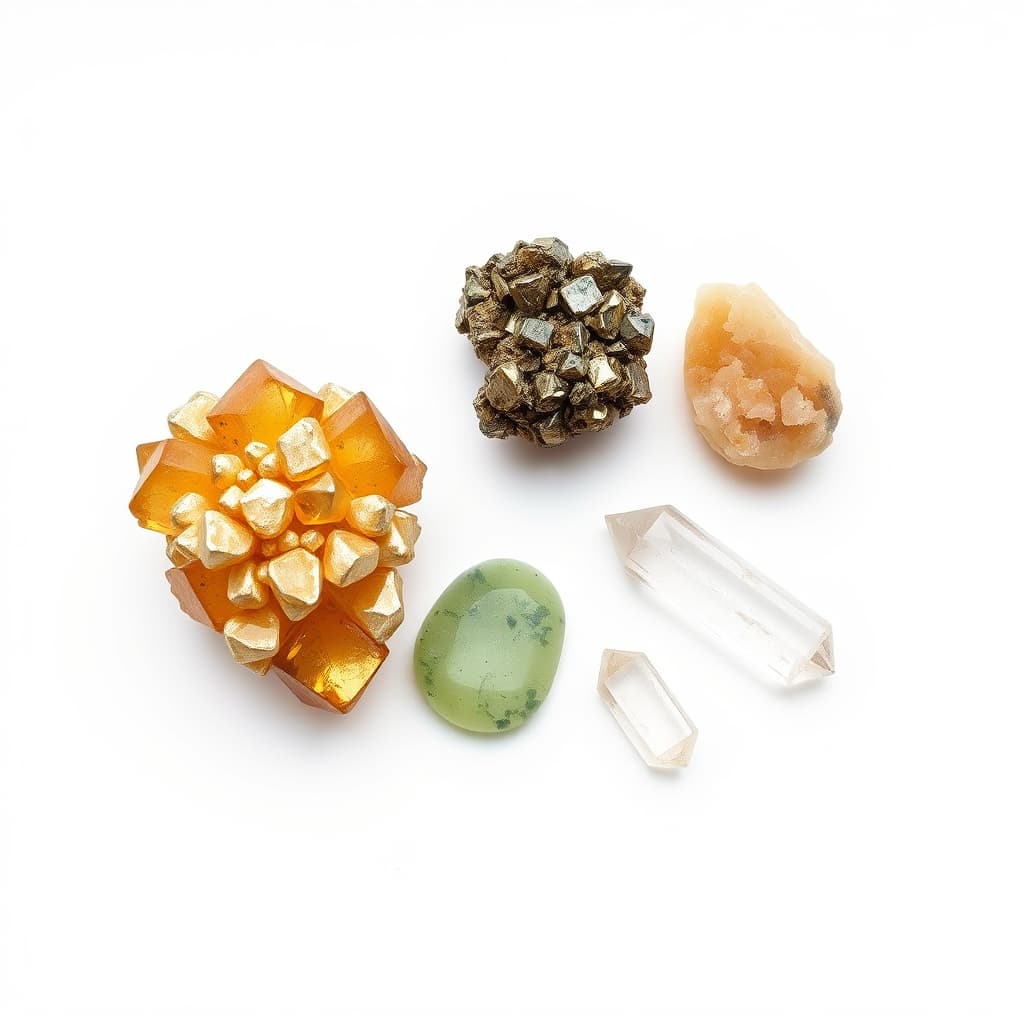
At a glance.
Quick read- ChakraSolar Plexus (Manipura), Heart (Anahata)
- Mohs hardnessn/a
- Mineral familyIntention practice
- OriginVedic, Hellenistic, European folk
- ColourGolden, green, clear
- ElementFire, Earth
- ZodiacLeo, Taurus (traditionally associated with tangible form)
- Sits well withIntention-setting, vision practice, sustained attention
- Water safen/a
- Sun safen/a
- RarityPractice
Manifestation is one of the most commercially loaded words in contemporary spiritual culture, and one of the most distant from what the tradition actually meant by it. Older sources treat manifestation as giving form to sustained attention through embodied practice. The recent framing reduced it to wishing hard enough that outcomes appear. This guide returns to the older meaning, names the crystals that traditional practice pairs with intention work, and gives a considered approach to using them.
What manifestation actually is in traditional practice
The word manifest comes from the Latin manifestus, meaning "clearly apparent" or "plainly visible." To manifest something is to bring it into visible form. In traditional practice (Vedic, Hermetic, European folk), this is a slow process of bringing sustained attention and aligned action to bear on an intention until it emerges into material or lived form.
Two elements are inseparable in the older tradition:
- The inner intention, held with clarity over time.
- The outer action, aligned with that intention, also sustained over time.
Without both, nothing manifests. Crystals traditionally serve as tangible anchors for the inner intention. They are not batteries, transmitters, or wish machines. They are physical objects that re-engage your attention with the intention every time you see or touch them.
The modern "put crystals on your vision board and ask the universe" framing stripped out the action part of the pair, which is why it rarely works. The crystal supports the attention; the attention alone does not complete the work.
The five traditional crystals
1. Citrine
Citrine is the primary manifestation stone across Vedic, Egyptian, and European folk traditions. Associated with the solar plexus chakra and the sun, it carries the symbolism of warmth, abundance, and the embodied confidence required for sustained action.
How to use: a small polished piece on a desk, bedside table, or vision board. The traditional placement is somewhere you see it daily. Real natural citrine is uncommon and expensive; most tumbled "citrine" in shops is heat-treated amethyst, which the tradition still accepts for practice purposes.
2. Pyrite
Pyrite is the traditional abundance stone in folk practice, named "fool's gold" for its metallic lustre. Associated with the solar plexus and the earth element, it pairs with manifestation work that specifically involves financial or material outcomes.
How to use: a small cluster or polished piece in a workspace, at the corner of a vision board, or in a small bowl near where financial decisions are made.
3. Green aventurine
Green aventurine is the traditional luck stone in English folk practice, specifically paired with opportunities that involve growth. The gentle green colour associates with the heart chakra and the earth element simultaneously, fitting manifestation work that involves both feeling-state and material form.
How to use: in a pocket during decision-heavy days, or placed on a written intention sheet for the month.
4. Clear quartz
Clear quartz is here as the amplifier. Used alongside any of the above three, clear quartz carries the specific intention without adding a competing symbolic layer. It is particularly useful when the manifestation work involves multiple domains and you want a universal amplifier rather than a narrowly-associated stone.
How to use: a small point or tumbled piece paired with whichever primary stone you are working with. Placed together.
5. Carnelian
Carnelian is included specifically for manifestation work that requires sustained action over time. The stone's traditional courage association makes it the right companion for long projects where the intention is clear but the energy to continue waxes and wanes.
How to use: in a pocket during work sessions connected to the intention, or on a desk where the project-related action happens.
A simple thirty-day practice
What follows is a compact manifestation practice drawn from the older tradition. It takes thirty days because that is roughly the timeframe where sustained attention starts to translate into observable alignment.
Day 1: set the intention
Write down a single specific intention. One sentence. Not a list.
Specificity matters. "I want to be happier" is too vague to manifest. "I want to establish a daily morning writing practice" is specific enough that it can actually take form.
Place your chosen crystal on the written intention. Citrine is the traditional default.
Days 2 to 29: re-engage daily
Each morning, hold the crystal for one minute while re-reading the intention aloud.
Each evening, take one small aligned action toward the intention. Even a five-minute one.
This is the whole practice. Sustained attention in the morning, sustained action in the evening. The crystal marks both.
Day 30: reflect
At the end of thirty days, review the intention and the actions. Notice what actually manifested. It is usually not the exact form you imagined at day 1, but it is often genuinely present. This is what the tradition means by manifestation: sustained attention produces form, though often not the precise form anticipated.
What to avoid
Four common traps that dilute manifestation practice.
Treating the crystal as the worker. The crystal is a focal object, not a battery. If you expect the stone to produce outcomes without sustained attention and action, you have missed the practice.
Vague intentions. Unspecific intentions cannot manifest because there is nothing specific for attention to align with. Specificity is not about controlling outcomes; it is about giving the practice a clear target.
Short time horizons. Manifestation is a thirty-day-minimum practice in traditional sources. Instant results are not what the tradition promised. Anyone offering instant manifestation is drifting from the older meaning.
Crystal hoarding. A single stone used consistently for thirty days is more effective than seven stones rotated weekly. The ritual is about sustained relationship, not variety.
How it pairs with other practice
Manifestation work fits well with other rhythms in the tradition.
- New moon setting, full moon reviewing. The classical pairing (see our full moon ritual guide). Intentions set at the new moon, reviewed at the full moon.
- Chakra-specific manifestation. For career intentions, solar plexus stones. For relational intentions, heart stones. For creative intentions, sacral stones. See our chakra master guide.
- Seasonal intentions. Summer for expansion, autumn for harvesting, winter for reflection, spring for new planting. Stones appropriate to each season.
A closing thought
Manifestation done slowly is a reliable practice. Done quickly, it is wishful thinking. The crystals in this guide support the slow version: a single stone, a specific intention, thirty days of aligned attention and action. That is the tradition, and it works because the crystal becomes a physical marker of the sustained attention that is doing the actual work.
For the individual stones, see citrine, pyrite, and green aventurine. For how to combine them, see our pairings guide.
A few honest questions.
Does putting a crystal on a vision board actually do anything?
Not by itself. The crystal is not a battery that transmits to the universe. What it does do is create a physical focal point that re-engages your attention with the intention every time you see it. This is not nothing, but it is not magic either. The crystal supports sustained attention; the attention does the work.
What is the difference between manifestation and wishing?
In traditional practice, manifestation means giving form to something through sustained attention, effort, and alignment. Wishing means hoping an outcome arrives without doing the underlying work. The older traditions treat manifestation as fundamentally a practice of embodiment, not a shortcut to outcomes.
Which crystal should I use if I only have one?
Citrine. It is the traditional abundance stone in the Vedic and European lineages, affordable, easy to source real, and visually warm in a way that makes it pleasant to keep on a desk or vision board.
Do I need to charge the crystal during a full moon?
No crystal has to be charged for manifestation work. The monthly full moon placement is a traditional reset practice that makes the ritual feel tended to, but it is not technically required for the crystal to function as a focal object.
Keep reading.
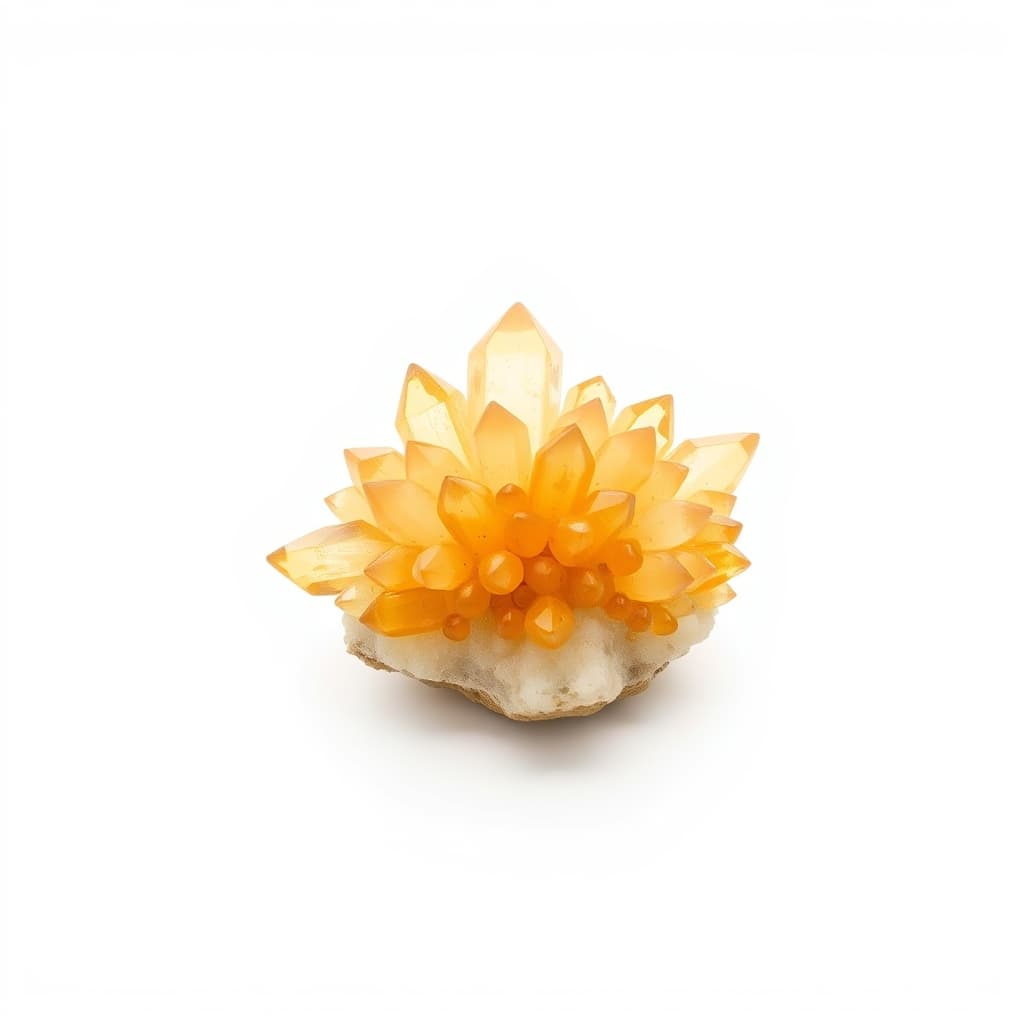
Citrine, and the Quiet Trouble With Most of What You Buy
Real citrine is one of the rarer quartz varieties. Most of what sells under the name is heat treated amethyst. Here is how to tell the difference, why it matters, and what the stone traditionally stood for before any of that got complicated.
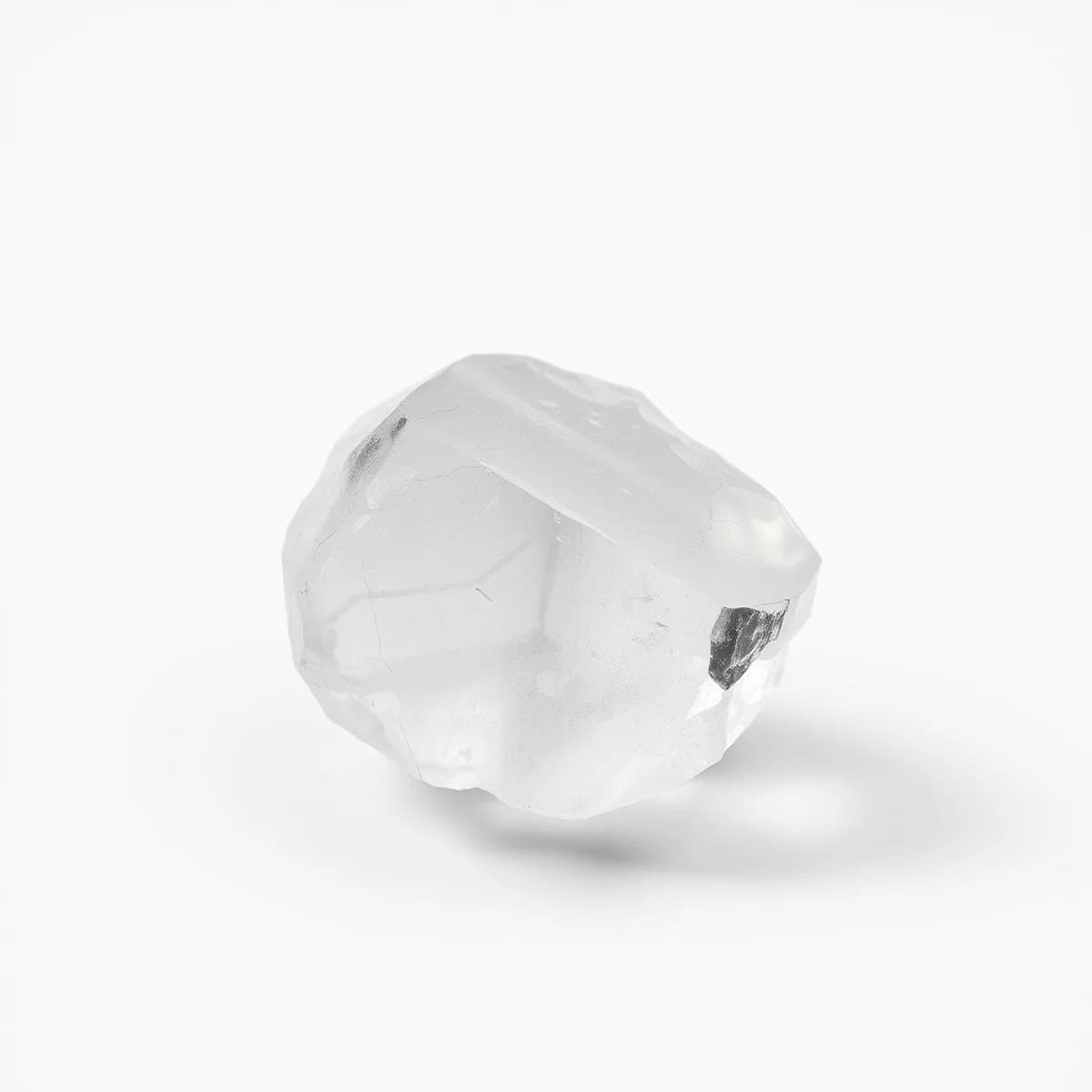
Clear Quartz, the One That Does a Bit of Everything
Called the master healer in tradition and used in nearly every radio and watch in the twentieth century. A look at what clear quartz actually is, how it earned its reputation, and why it gets recommended for almost everything.
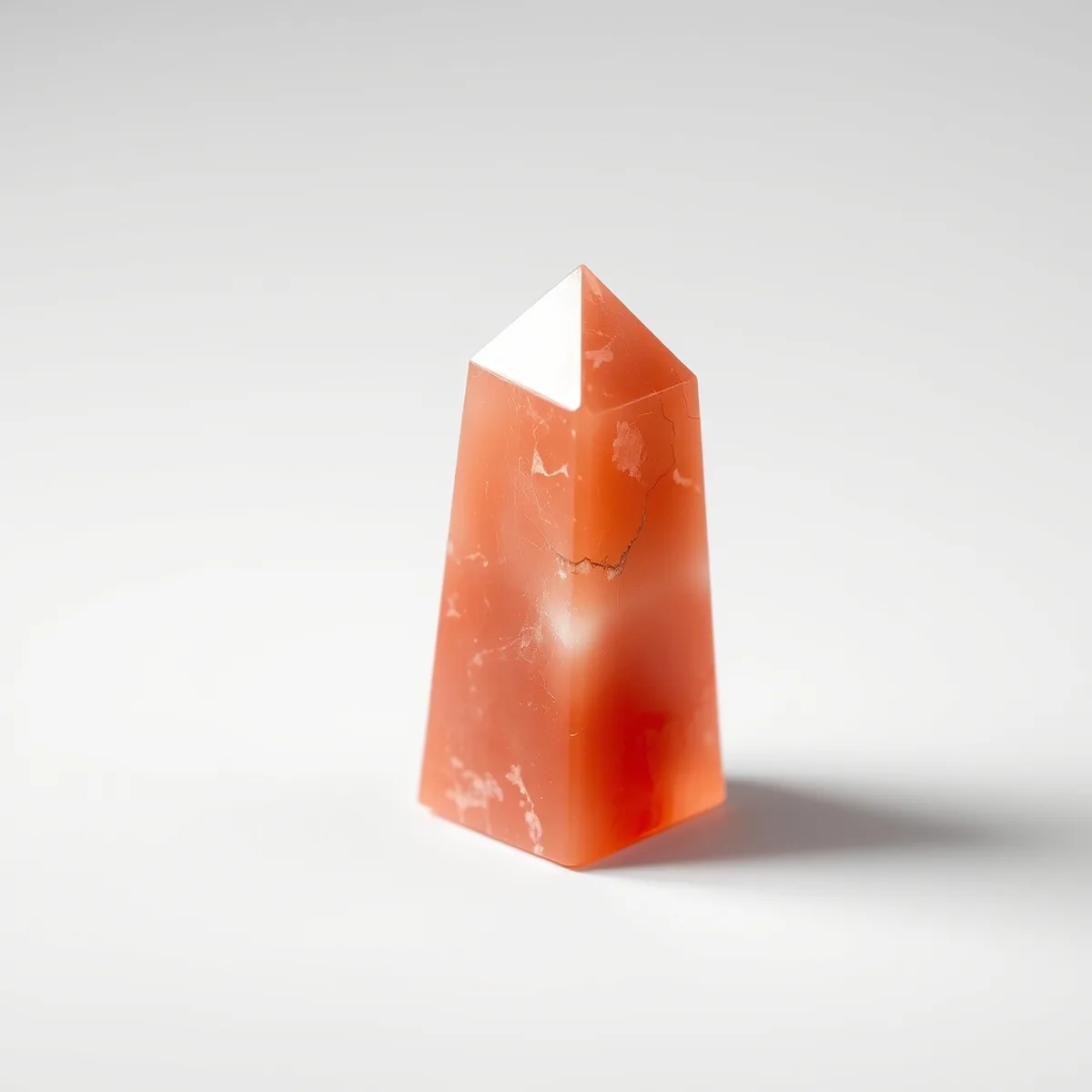
Carnelian, the Warm Stone That Gets You Moving
Red orange chalcedony that shows up on ancient jewelry, Roman signet rings, and Egyptian burial goods. Why the stone has been associated with courage for three thousand years, and what the heat treatment question means for modern buyers.
Mentioned in
Sit with us on Sundays.
One quiet letter every week. New writing, a crystal to consider, and whatever we have been thinking about. No tracking pixels, no affiliate noise.
By subscribing you agree to receive weekly emails from AU Crystals. Unsubscribe anytime. See our privacy note.