
Chakra Crystals, the Full Master Guide
The seven traditional chakras and the crystals paired with each, drawn from Vedic and Tantric sources rather than modern repackaging. Deep-dive pairings for every chakra, with the reasoning behind why the stones sit where they do.
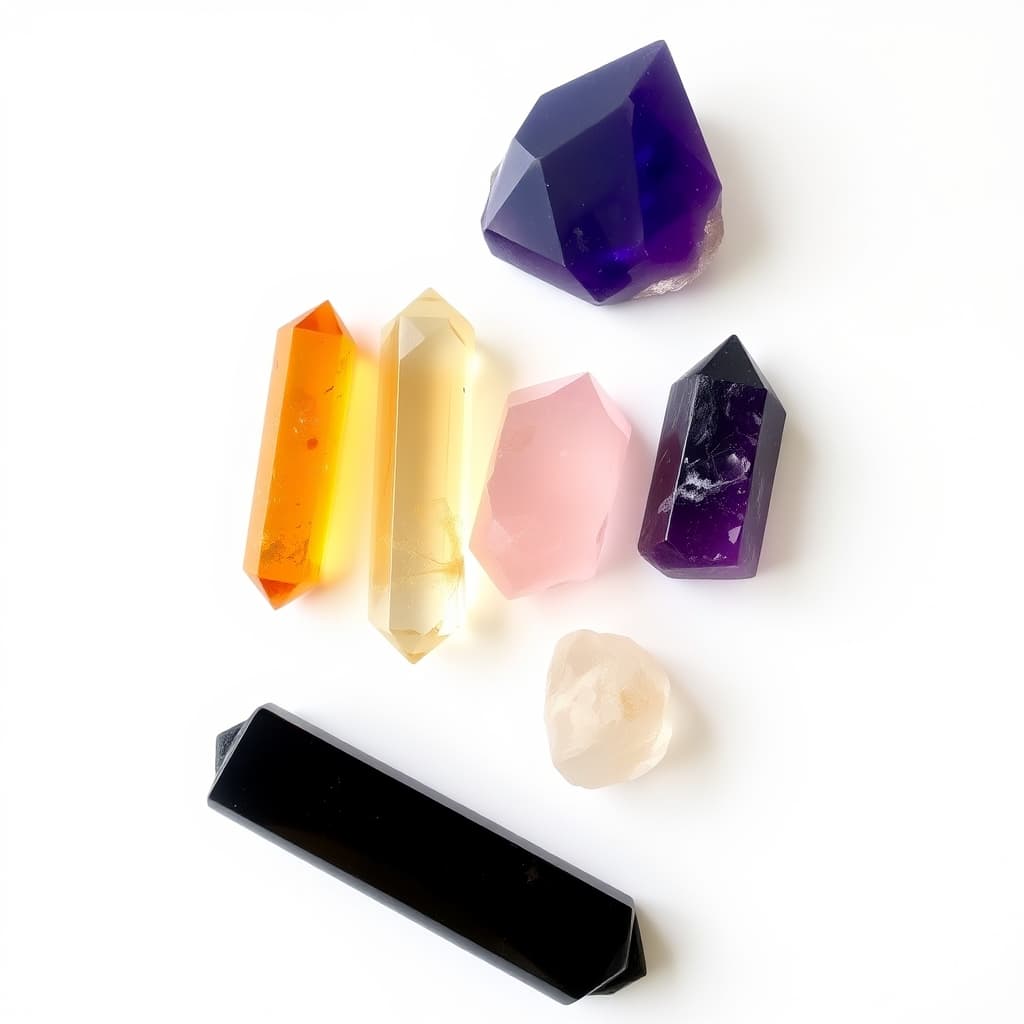
At a glance.
Quick read- ChakraAll seven
- Mohs hardnessn/a
- Mineral familyVedic/Tantric energy system
- OriginIndia (Tantric Hindu and Buddhist sources)
- ColourTraditional rainbow spectrum
- ElementAll four
- ZodiacUniversal
- Sits well withComprehensive practice, reference
- Water safen/a
- Sun safen/a
- RarityPractice
The chakra system is the most widely referenced and most often simplified framework in contemporary crystal practice. What was once a complex Tantric model of subtle energy has been reduced in popular guides to a colour chart and a matching stone for each colour. This guide goes in the other direction. It returns to the traditional meaning of each of the seven main chakras, names the crystals that classical Vedic and Tantric sources associate with each, and explains why specific stones sit where they do. The goal is to give you a reference you can return to rather than a quick-look summary that evaporates as soon as you try to use it.
A quick note on the tradition
The seven-chakra system taught in contemporary yoga and crystal practice comes from a specific lineage: classical Tantric Hindu texts, most notably the Sat-Cakra-Nirupana (1577 CE), translated into English by John Woodroffe in 1918. Earlier sources described varying numbers of chakras (five, six, nine, more). The seven-chakra model is not the original; it is the simplified version that became standard in modern practice.
This guide follows the seven-chakra framework because that is the vocabulary most useful to contemporary readers, but the underlying tradition is richer and worth exploring if this work becomes a sustained practice for you.
The seven chakras
1. Muladhara (root chakra)
Location: base of the spine. Element: earth. Associated with: survival, security, stability, embodiment.
The root chakra is the foundational point of the system. Its traditional crystals are dense, opaque, and grounding, matching the earth element.
- Black tourmaline is the primary traditional root stone. Its density and protective tradition make it the anchoring choice.
- Smoky quartz is the softer alternative for root work, gentle enough for daily wear.
- Hematite adds the weight and mirror-quality the root chakra benefits from during anxious periods.
- Garnet (when included) carries the traditional deep-red root association and appears in older sources.
2. Svadhisthana (sacral chakra)
Location: just below the navel. Element: water. Associated with: creativity, sensuality, emotional flow, pleasure.
The sacral chakra is the seat of creative energy in traditional Tantric reading. Warm-orange stones dominate.
- Carnelian is the classical sacral stone, used for three thousand years in creative and courage practice.
- Sunstone extends the sacral work with additional solar warmth.
- Orange calcite (when included) is a gentler alternative for people who find carnelian too intense.
- Moonstone appears in some sources for the water-element alignment, particularly for the emotional-flow aspect.
3. Manipura (solar plexus chakra)
Location: upper abdomen. Element: fire. Associated with: personal agency, confidence, vitality, willpower.
The solar plexus governs embodied confidence. Its stones carry the fire element through golden and yellow tones.
- Citrine is the primary solar plexus stone, golden and traditional.
- Tiger's eye fits the Manipura chakra through its chatoyant gold shimmer and discernment tradition.
- Pyrite is included in some sources for the golden colour and the grounded-confidence quality.
- Yellow jasper rounds out the traditional solar plexus set.
4. Anahata (heart chakra)
Location: centre of the chest. Element: air. Associated with: love, compassion, connection, openness.
The heart chakra traditionally sits at the midpoint of the seven-chakra ladder. It bridges the lower three (physical) and upper three (spiritual) chakras. Pink and green stones dominate.
- Rose quartz is the primary heart stone across every source, paired specifically with self-compassion.
- Green aventurine sits alongside for the gentler, more earthly relational work.
- Rhodonite (when included) addresses heart work during grief and difficult reconciliation.
- Malachite sometimes appears for the deep transformative heart work that rose quartz alone does not cover.
5. Vishuddha (throat chakra)
Location: throat. Element: ether/space (akasha). Associated with: communication, truth, self-expression, honest speech.
The throat chakra has the most consistent crystal pairing across traditions. Blue stones, specifically deep blue, are the classical choice.
- Lapis lazuli is the oldest throat stone in recorded practice, used across Egyptian and Sumerian tradition.
- Aquamarine is the softer alternative for communicating through water-element emotion.
- Sodalite is the contemporary lighter companion, often more affordable than lapis.
- Amazonite rounds out the throat set for calm communication under conflict.
6. Ajna (third eye chakra)
Location: between the eyebrows. Element: light. Associated with: intuition, insight, mental clarity, inner vision.
The third eye is traditionally the seat of intuition and clear perception. Deep purple stones dominate, with iridescent stones as secondary options.
- Amethyst is the primary third eye stone across every source.
- Labradorite fits the third eye through its flash, associated with insight and inner vision.
- Fluorite is the classical study stone and third-eye companion for mental clarity work.
- Sodalite also bridges into third-eye work for the intuitive-clarity axis.
7. Sahasrara (crown chakra)
Location: top of the head. Element: consciousness. Associated with: spiritual connection, transcendence, clarity of being.
The crown chakra sits at the top of the system. Its traditional stones are clear, white, or luminous, reflecting the consciousness element.
- Clear quartz is the primary crown stone, traditional across every source.
- Selenite fits the crown through its luminous white quality and named association with Selene.
- Amethyst bridges upward from the third eye into crown work.
- Diamond (in classical sources) when available; more accessible is Herkimer diamond.
A comparison table
| Chakra | Sanskrit | Primary crystal | Colour | Element |
|---|---|---|---|---|
| Root | Muladhara | Black tourmaline | Black | Earth |
| Sacral | Svadhisthana | Carnelian | Orange | Water |
| Solar plexus | Manipura | Citrine | Gold | Fire |
| Heart | Anahata | Rose quartz | Pink/green | Air |
| Throat | Vishuddha | Lapis lazuli | Blue | Space |
| Third eye | Ajna | Amethyst | Purple | Light |
| Crown | Sahasrara | Clear quartz | White/clear | Consciousness |
How to actually practice
Four honest approaches that fit the tradition.
Start with one chakra. Identify where your attention is currently drawn (anxious about speaking → throat, exhausted → root, stuck creatively → sacral). Work with that chakra's stone alone for a month before adding others.
Use the stone where the chakra sits. Traditional practice places the stone on the body at the chakra location during meditation (rose quartz on the chest, amethyst on the forehead, clear quartz at the crown). Simple, embodied, effective.
Buy one at a time. Pre-made seven-stone chakra kits encourage a completionist mindset that is not traditional. The older practice is to build up the set slowly as you encounter the need for each stone.
Rotate seasonally. Some practitioners focus on different chakras in different seasons (root in winter, heart in spring, solar plexus in summer, third eye in autumn). This is a modern but coherent adaptation of the older practice.
What to avoid
Three common traps.
Treating chakras as a problem to fix. Contemporary content often frames chakras as "blocked" and needing to be "opened." Classical Tantric practice does not use this language. Chakras are energy centres to be known and worked with, not problems to be solved.
Buying the full rainbow kit as your first purchase. See above. The rainbow is pretty but not instructional.
Assuming the correspondences are rigid. Different traditions pair different stones with the same chakra. The colour-based modern system is simplified. Real practice allows for overlap and substitution.
A closing thought
The chakra system is a map of attention. The crystals paired with each point are companions for sitting with that particular region of the self. Used slowly, one at a time, the practice accumulates into a working knowledge of your own interior that you cannot get from reading alone. Buy one crystal, work with it for a month, then decide what you want to learn next. That is how the tradition actually teaches.
For the individual stones named here, start with amethyst, rose quartz, and clear quartz. They cover three chakras between them and form the core of a working practice.
A few honest questions.
Where does the chakra system actually come from?
The chakra system originates in Tantric Hindu texts, refined further in Buddhist practice and later adopted by Western esoteric traditions in the 19th and 20th centuries. The seven-chakra version most commonly taught today is a simplified modern synthesis; older Tantric sources described varying numbers (five, six, nine, even more).
Do I need all seven crystals?
No. The tradition does not require a complete set. Most practitioners work with one or two chakras at a time based on current need, and the crystals match that focus. Seven-stone chakra kits are a modern retail product, not a traditional requirement.
Can one crystal work for multiple chakras?
Yes. Many traditional stones span more than one chakra. Amethyst pairs with both the crown and third eye. Clear quartz works with any chakra. Overlap is expected.
Is it safe to do chakra work without a teacher?
For quiet reflection and crystal pairing, yes. For intensive breathwork or kundalini practice, traditional sources strongly recommend a teacher, since those practices can produce strong effects. Ordinary crystal-on-chakra work during meditation is safe for self-practice.
Keep reading.
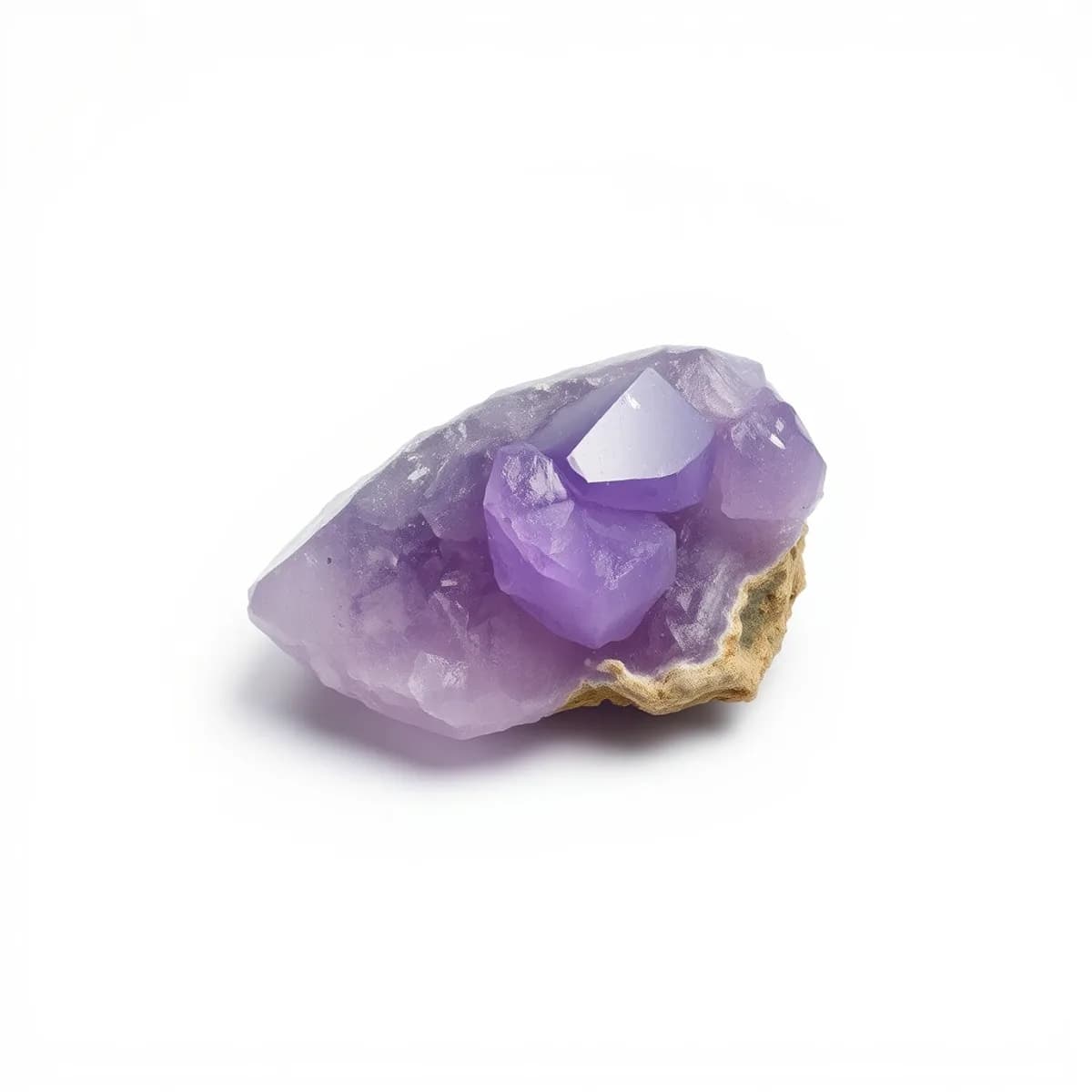
Amethyst, at Closer Range
The stone most people meet first. A slower look at where it comes from, why Brazilian and Uruguayan pieces look so different, and what sleep research can and cannot say about keeping one by the bed.
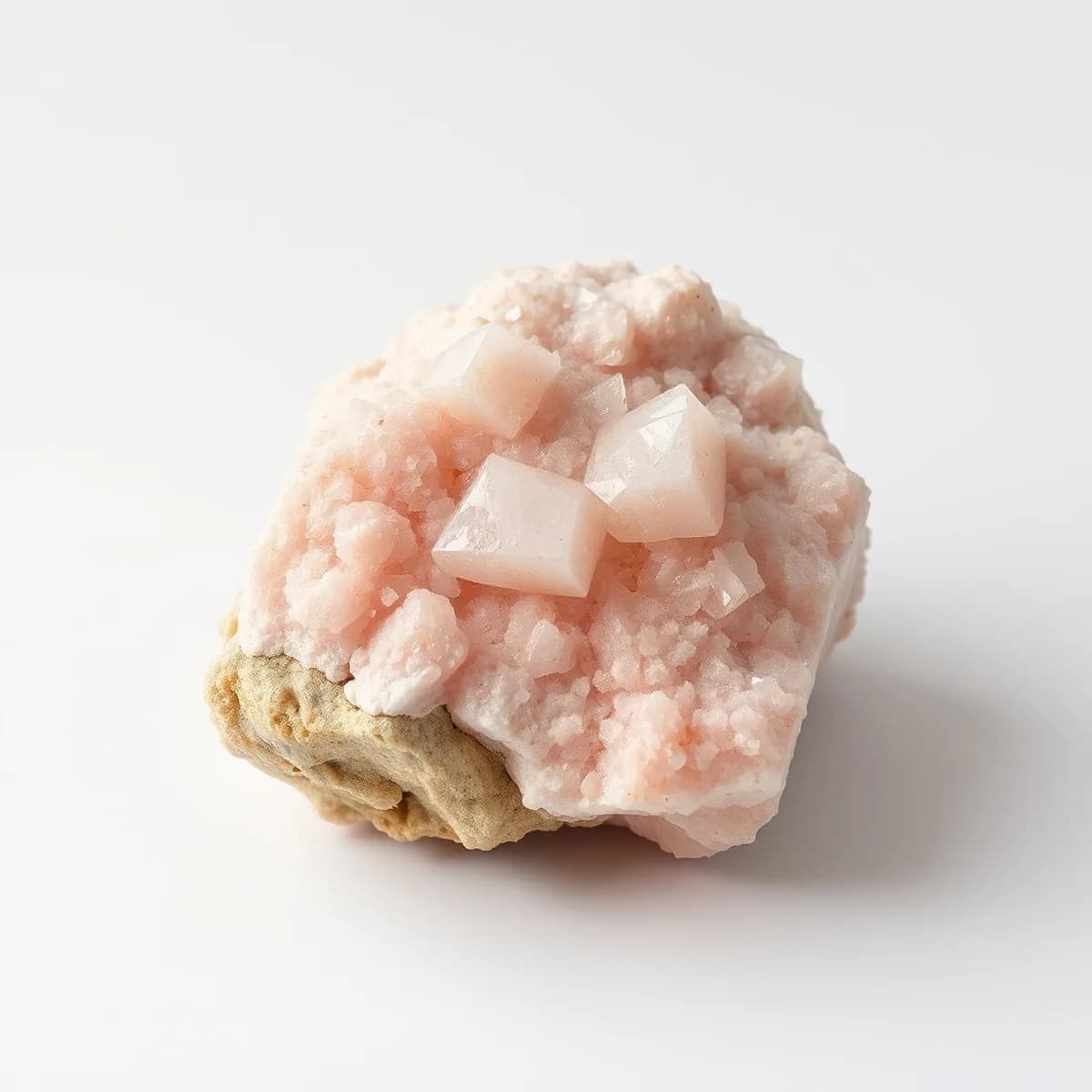
Rose Quartz, Honestly
Most of what gets written about rose quartz is a bit breathless. Here is a quieter guide, with the geology, the tradition, and a few honest notes on what crystal skincare can and cannot do.
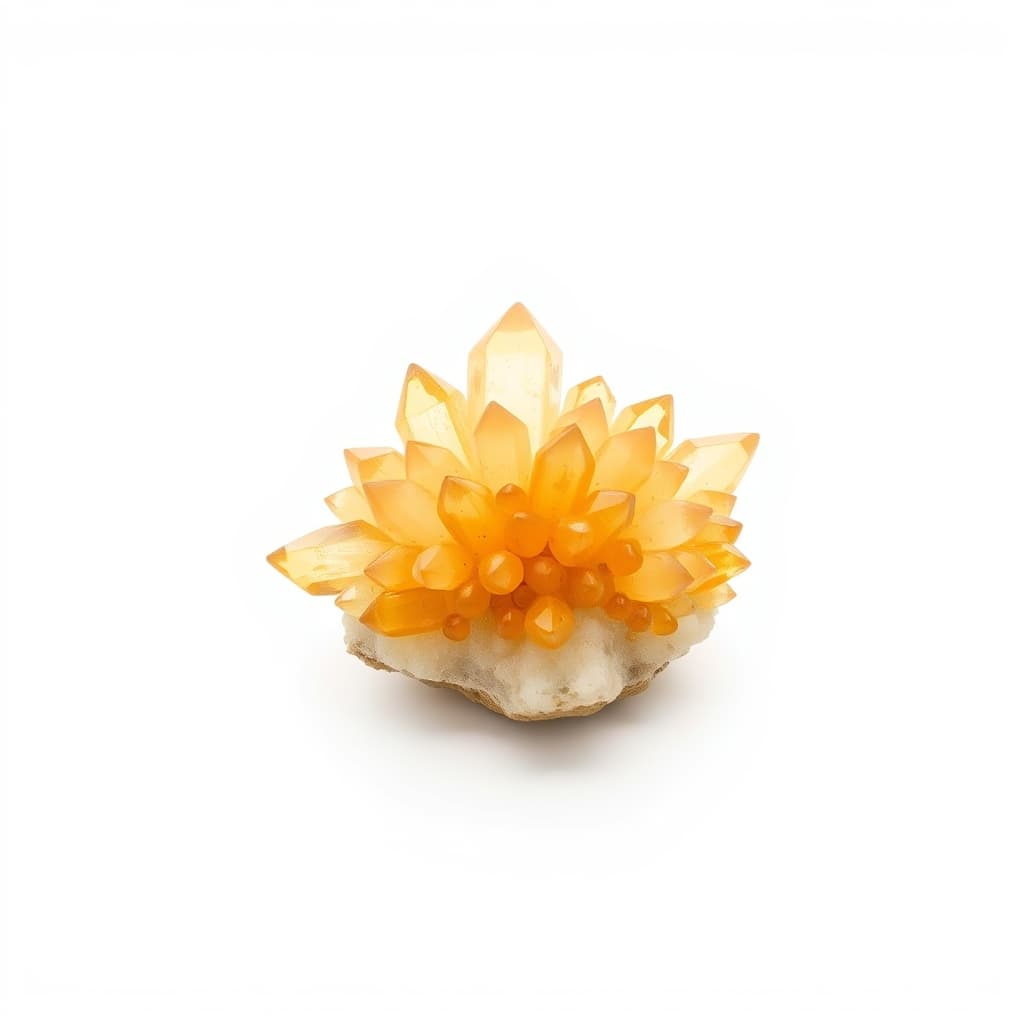
Citrine, and the Quiet Trouble With Most of What You Buy
Real citrine is one of the rarer quartz varieties. Most of what sells under the name is heat treated amethyst. Here is how to tell the difference, why it matters, and what the stone traditionally stood for before any of that got complicated.
Sit with us on Sundays.
One quiet letter every week. New writing, a crystal to consider, and whatever we have been thinking about. No tracking pixels, no affiliate noise.
By subscribing you agree to receive weekly emails from AU Crystals. Unsubscribe anytime. See our privacy note.