
How to Tell Real Amethyst from Fake, an Honest Buying Guide
The six practical tests that separate genuine natural amethyst from dyed glass, heat-treated citrine sold as amethyst, and synthetic lab stones. No specialist tools needed for most of them.
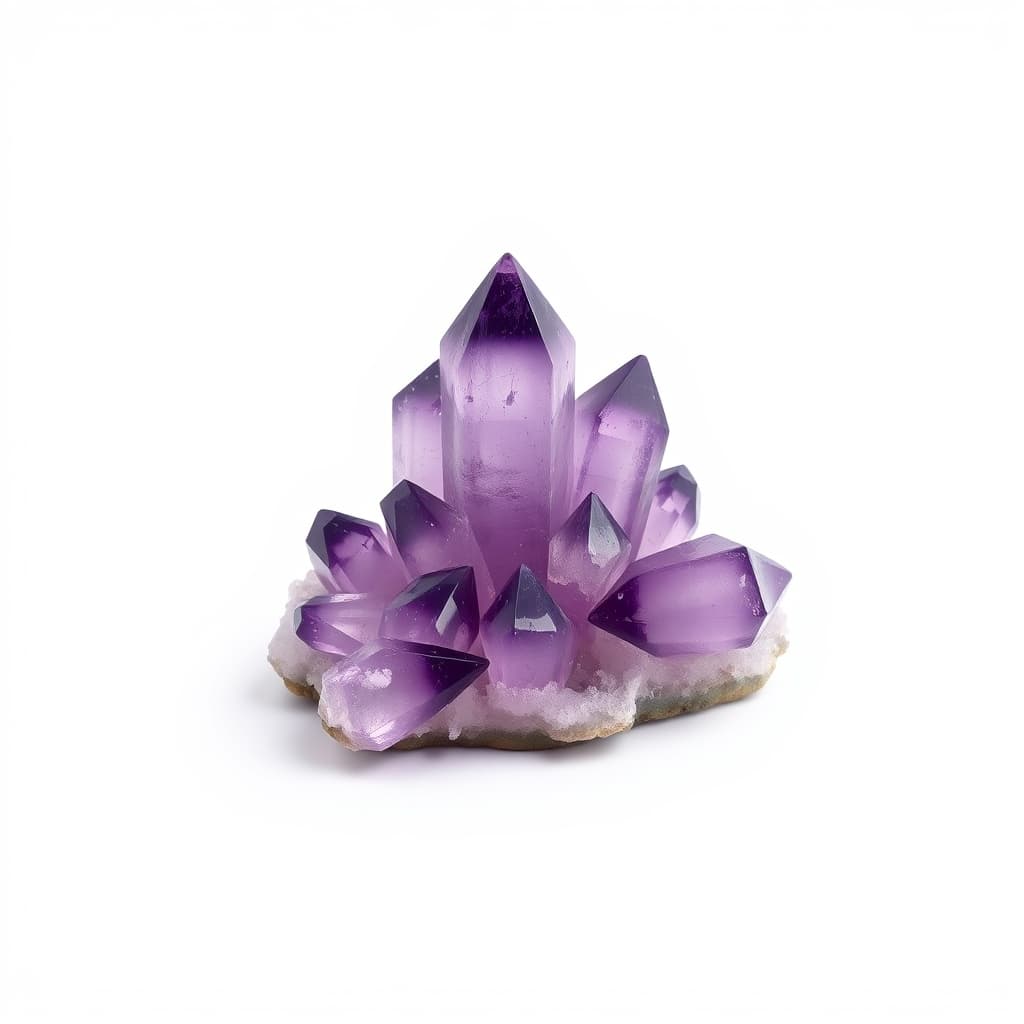
At a glance.
Quick read- ChakraThird Eye (Ajna), Crown (Sahasrara)
- Mohs hardness7
- Mineral familyQuartz (silica)
- OriginBrazil, Uruguay, Zambia, Madagascar
- ColourPale lilac to deep violet with natural zoning
- ElementAir
- ZodiacPisces, Aquarius, Virgo
- Sits well withQuiet thinking, sleep, study
- Water safeYes
- Sun safeFades in prolonged direct sun
- RarityCommon, high grade less common
Amethyst is one of the most affordable well-known crystals, which also makes it one of the most faked. Dyed glass, heat-treated citrine, and synthetic lab-grown quartz all end up sold as natural amethyst. This guide gives you six tests you can actually run before paying, plus how to read a seller listing so you do not need the tests in the first place.
Why fakes exist
Amethyst sits at a particular market sweet spot. Common enough that buyers expect a low price, recognisable enough that people will buy on sight. Dyed glass costs pennies per piece. Selling it as amethyst at even five dollars is a thousand-percent margin. That gap keeps the fakes coming.
Not every enhancement is a fraud. Heat treatment of natural amethyst to deepen the colour is traditional and usually disclosed. Synthetic lab-grown amethyst is real quartz, just not mined. The problem is undisclosed substitution, where you pay for natural and get something else.
The six tests
1. Colour zoning
This is the single most reliable visual test. Real amethyst forms as quartz crystal grows and traps iron impurities at slightly different rates. The result is never perfectly even. You will see:
- Lighter tips, darker bases
- Angular bands of colour
- Patches of paler lilac within darker violet
- A slightly clouded, watery internal look
What you should not see is perfectly uniform vivid purple from every angle. That is the visual fingerprint of dyed glass or synthetic material.
A quiet check. Tilt the stone under a warm bulb and slowly rotate it. Real amethyst shifts slightly as the light catches different zones. Dyed glass looks flat from every angle, like a solid block of colour.
2. Temperature
Natural quartz is cool to the touch and stays cool for several seconds when you pick it up. Glass warms up noticeably faster. Hold the stone against your cheek or the inside of your wrist where the skin is sensitive. If it feels like room temperature already, suspect glass. If it stays cool for a slow count of five, it is more likely real quartz.
3. Hardness
Amethyst is quartz, hardness 7 on the Mohs scale. Glass is 5.5 to 6. Quartz will scratch glass. Glass will not scratch quartz.
Use an unwanted drinking glass or a glass bottle. Press a corner of the stone firmly against the glass surface and drag it. If the stone scratches the glass, it is at least hardness 7 (quartz or harder). If the stone scratches but the glass does not mark, it fails. Do this only on a piece of stone you are willing to risk chipping if you miscalibrate the pressure.
This rules out glass. It does not rule out synthetic quartz, which is still quartz.
4. The UV test
Natural amethyst often fluoresces weakly under UV light, showing a faint bluish or pale glow. Dyed glass usually does not fluoresce, or glows a suspicious bright colour that matches the dye. Synthetic amethyst behaves similar to natural under UV.
You can buy a cheap UV torch for under ten dollars. Shine it on the stone in a dark room. This test is confirmatory, not definitive, but it is a useful cross-check alongside the visual zoning.
5. Bubbles and swirls
Hold the stone against a bright light (a phone torch works). Look for:
- Spherical or oval bubbles trapped inside. These indicate glass, not stone.
- Swirl lines that look like the inside of a marble. Also glass.
- Mineral inclusions, tiny dark specks or hair-thin lines. These are normal in natural stone.
- Small internal fractures or rainbow veils. These are common in natural quartz.
Bubbles are the clearest sign of glass. Real quartz does not contain air bubbles.
6. Price and weight
This is the market test. Amethyst has a real cost floor because real material has to be mined, cut, and polished. If a tumbled piece the size of a walnut is being sold for one dollar, the maths does not work. Someone along the chain is losing money, or the stone is not what it is labelled.
Glass weighs less than quartz for the same size. A large piece that feels oddly light is worth questioning.
Reading a listing before buying
If you can do this well, you will rarely need the tests. Five things to look for:
The actual photo. Real sellers photograph the actual piece, often with their hand for scale, showing multiple angles. Stock flat-lay catalogue images that appear on dozens of unrelated shops are a warning sign.
Disclosure language. An honest seller says something specific. Natural Brazilian amethyst, untreated. Or heat-treated to deepen colour. Or lab-grown amethyst. A listing that just says "amethyst" with no origin or treatment is not automatically fake, but it is less trustworthy than one that is specific.
Reasonable pricing. Amethyst cluster geodes the size of a fist sit around thirty to eighty dollars from honest sellers. Tumbled pieces run three to eight dollars. Pendant-grade faceted stones are more. If the price is far below these ranges, be cautious.
Shop history. On marketplace platforms, long-running sellers with hundreds of reviews across multiple crystals tend to be more reliable than new shops with only amethyst in the catalogue.
Return policy. Honest sellers offer returns. Someone who refuses returns on the grounds that "crystals are spiritual items" is usually covering for something.
When to walk away
Three situations where the answer is just no.
Bulk tumbled lots at bargain-bin prices. If you see a bag of fifty tumbled amethyst pieces for ten dollars, that is dyed glass or heavily processed lower-grade material being passed off. Real tumbled amethyst at that volume costs three to four times that.
"High vibrational" or "charged" stones at double the normal price. The stone is no different from an uncharged one. The markup is for marketing, not material.
Stones sold with claims of diagnostic or medical use. This is both dishonest and, in many places, illegal. Reputable crystal sellers do not claim their stones treat conditions.
A closing note
Most of the amethyst sold through established shops is real. You are not walking into a minefield of fakes every time you browse. But the tests above take less than a minute each, and knowing them makes you a calmer buyer. You can inspect before you hand over money rather than hoping afterwards that the piece is what it says on the label.
For background on what genuine amethyst actually is and how it formed, see our full amethyst guide. If you want to understand its closest relative, clear quartz sits in the same family and uses many of the same authenticity checks.
A few honest questions.
What is the fastest way to tell if amethyst is real?
Look at the colour distribution. Real natural amethyst almost never has perfectly even saturation throughout the whole stone. It shows zoning, lighter and darker patches, or bands of colour. A piece that is the same vivid purple from edge to edge is almost certainly dyed glass or a synthetic.
Can amethyst be fake even if sold by a reputable shop?
It can. Reputable shops usually sell real amethyst, but heat-treated material sold as natural, and synthetic lab-grown amethyst sold without disclosure, both happen. The tests in this guide apply regardless of where the stone was bought.
Is synthetic amethyst worthless?
No. Synthetic amethyst is real quartz, grown under controlled conditions. Optically and chemically it is identical to natural. The difference is origin and price. It is only a problem when sold as natural at natural prices without disclosure.
Does rubbing amethyst on a hard surface prove it is real?
Only partly. Quartz scratches glass (real amethyst is hardness 7, glass is 5.5 to 6). So if a stone will not scratch glass, it is not quartz. But passing the test only rules out glass. It does not rule out synthetic quartz or dyed quartz.
What should I avoid when shopping online?
Three red flags: suspiciously low prices on tumbled or polished stones, listings that show only staged flat-lay photos instead of the actual piece, and sellers who refuse to describe whether the stone is natural or enhanced when asked directly.
Keep reading.
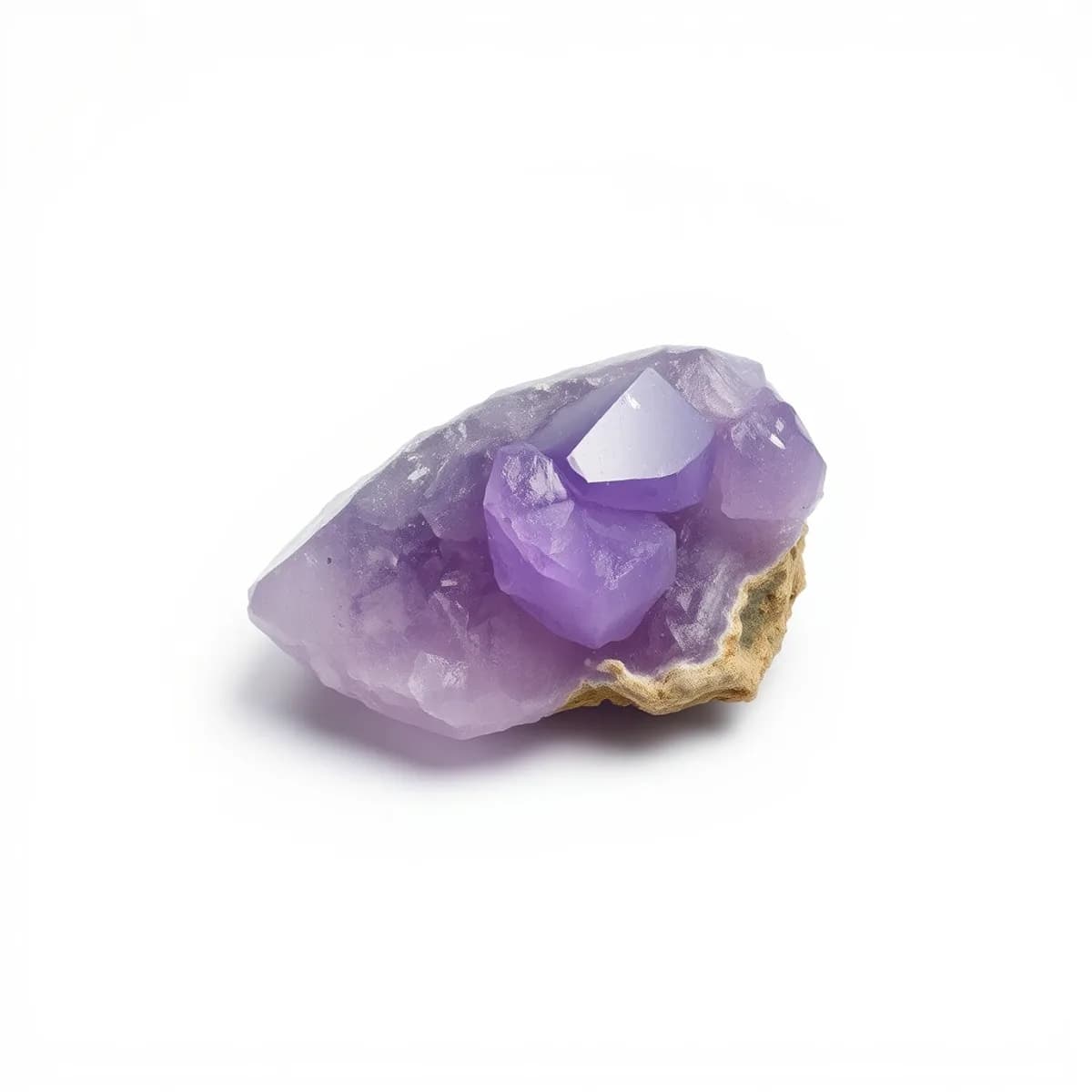
Amethyst, at Closer Range
The stone most people meet first. A slower look at where it comes from, why Brazilian and Uruguayan pieces look so different, and what sleep research can and cannot say about keeping one by the bed.
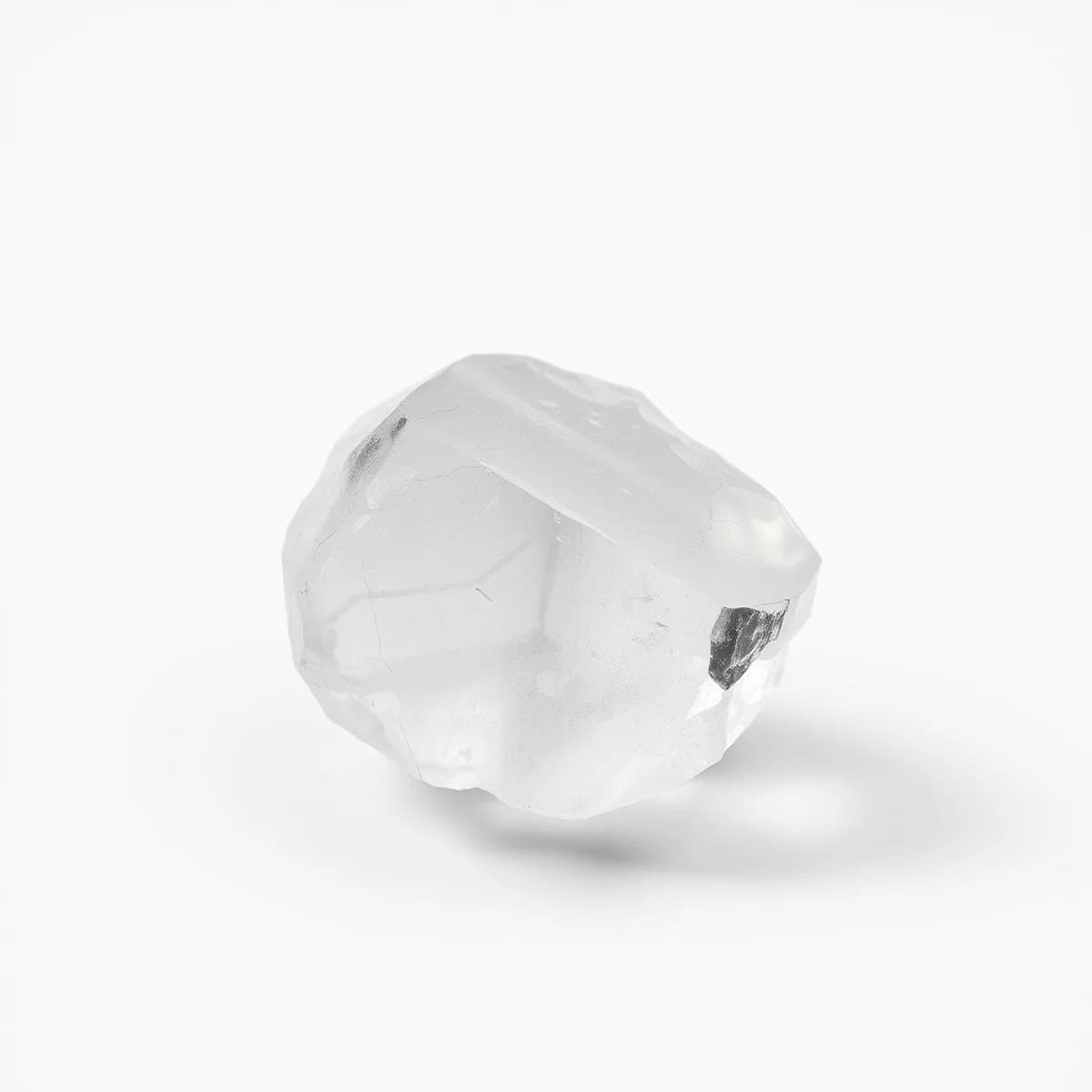
Clear Quartz, the One That Does a Bit of Everything
Called the master healer in tradition and used in nearly every radio and watch in the twentieth century. A look at what clear quartz actually is, how it earned its reputation, and why it gets recommended for almost everything.
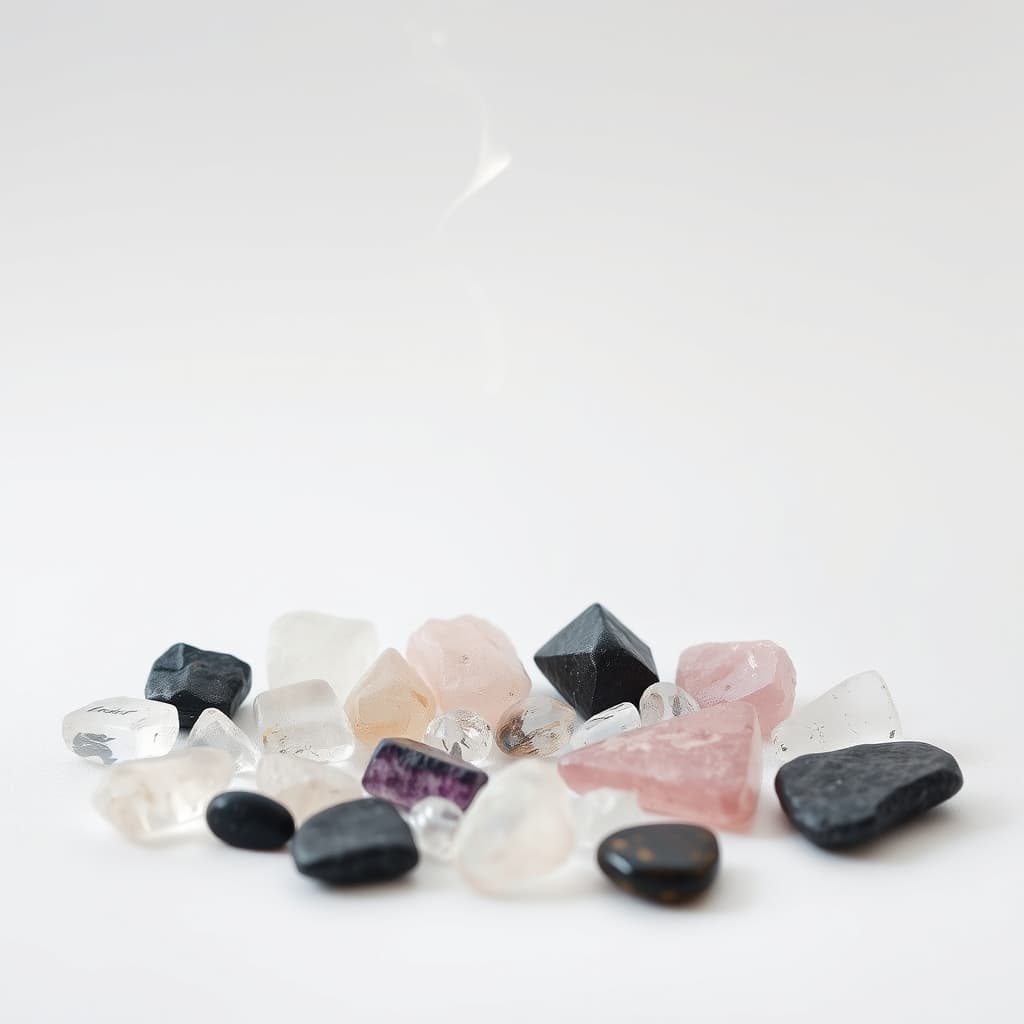
How to Cleanse Crystals, Seven Methods Honestly Compared
The cleansing methods that survived across traditions, which stones tolerate each one, and how to pick the right method for your stone rather than following generic advice that damages softer crystals.
Mentioned in
Sit with us on Sundays.
One quiet letter every week. New writing, a crystal to consider, and whatever we have been thinking about. No tracking pixels, no affiliate noise.
By subscribing you agree to receive weekly emails from AU Crystals. Unsubscribe anytime. See our privacy note.