
The Best Crystals for Beginners, a Thoughtful Starter Set
The five stones that belong in every first collection and why. Written for people starting from zero, without the upsell to pre-assembled kits that usually cost three times what the individual pieces would.
At a glance.
Quick read- ChakraAll chakras
- Mohs hardnessn/a
- Mineral familyStarter collection
- OriginUniversal
- ColourVaried
- ElementAll four
- ZodiacAll signs
- Sits well withFirst collection, gift giving
- Water safen/a
- Sun safen/a
- RarityCommon, intentionally
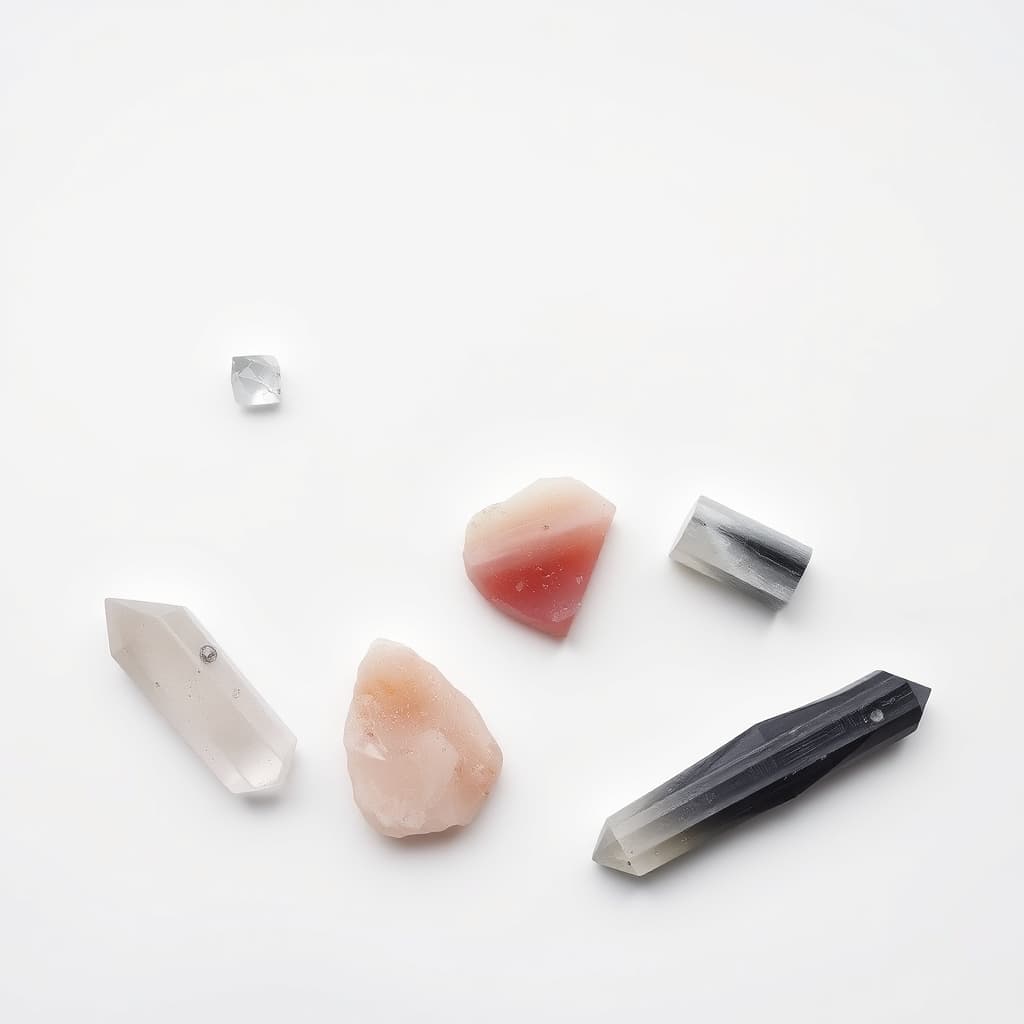
If you are starting a crystal practice from zero, the biggest trap is buying too many stones before you know what you actually want them to do. Shops will happily sell you pre-assembled starter kits of ten or twelve tumbled pieces, most of which you will not use. This guide names the five stones that earn their place in a first collection, one at a time, with the reason each is there.
The five
1. Clear quartz
The master stone. Clear quartz is the most versatile crystal in tradition, used across cultures for amplifying intention, supporting other stones, and general clarity work. If you buy nothing else, buy this.
What to look for: a tumbled piece the size of a walnut, or a small natural point. Real clear quartz often has internal veils, hairline fractures, or tiny inclusions. Perfectly clear is usually glass.
Price expectation: three to eight dollars tumbled, fifteen to thirty for a small point.
2. Amethyst
The quiet thinker. Amethyst is the traditional stone of the third eye, used for sleep, study, and meditation. It is also one of the most commonly faked, which makes learning to recognise real amethyst a useful education in itself.
What to look for: natural colour zoning, lighter tips and darker bases, never perfectly uniform vivid purple. See our authenticity guide for the detailed checks.
Price expectation: four to ten dollars tumbled, twenty to eighty for a small cluster.
3. Rose quartz
The heart stone. Rose quartz is paired with the heart chakra and carries a long Venus tradition across Hellenistic and Indian texts. It is the stone most associated with self-compassion rather than romantic love, which is often the direction beginners need more than they expect.
What to look for: soft pink colour, slightly translucent with natural cloudy inclusions, often appearing almost milky. Bright uniform hot-pink is usually dyed.
Price expectation: three to eight dollars tumbled, twenty to fifty for a larger piece.
4. Black tourmaline
The grounding stone. Black tourmaline is the traditional protective stone across Hindu, European, and Indigenous American practice. Beginners reach for it in anxious periods and during life transitions because it has the particular weight that translucent stones do not.
What to look for: opaque deep black, often with visible parallel striations (vertical lines along the crystal body), slight weight for size. Dyed or painted glass lacks the striations.
Price expectation: five to twelve dollars for a good tumbled piece, fifteen to thirty for a raw point.
5. Selenite
The cleanser. Selenite earns its place in the starter set because it does a job no other stone on this list does. It is traditionally used to cleanse other crystals (place your other stones next to it overnight), and it carries a softer crown-chakra tradition than amethyst.
What to look for: translucent white to pale grey, with visible fibre-like striations running along the length. Very soft, do not handle roughly. Never put in water, it dissolves.
Price expectation: eight to fifteen dollars for a wand or small tower, twenty to forty for a charging plate.
Why these five and not others
Four quiet reasons to choose this particular list.
Coverage without overlap. Each stone does a job the others do not. Clear quartz amplifies. Amethyst settles the mind. Rose quartz opens self-compassion. Black tourmaline grounds. Selenite cleanses the rest. Five roles, five stones.
Authentic at accessible prices. All five are common enough that real pieces remain affordable. You are not paying rarity premiums while you learn.
Easy to find honest sellers for. These are the stones that reputable shops always carry. You have options beyond a single dodgy marketplace listing.
Forgiving to handle. With the exception of selenite's water sensitivity, these five handle ordinary life well. They will not break if you drop them, fade if you leave them out, or need specialist care.
What to skip in the first month
Four tempting stones that are better bought later.
Rare or exotic stones (larimar, sugilite, moldavite). Real pieces are expensive and fakes are rampant. Learn on affordable stones first.
Zodiac-specific sets. Interesting once you know the basics, but too narrow for a first collection that needs coverage.
Geodes larger than your fist. Beautiful, but they take up space before you know if you want them. Start small.
Polished shapes (hearts, spheres, pyramids). Nothing wrong with them, but buying shape kits is often a sign of collecting for its own sake rather than for use.
How to actually start
Once you have the five, sit with them for a week before adding anything else. Four simple things to do.
Hold each one for a minute. Notice weight, temperature, how it feels in your palm. Over a week, you will start to reach for specific ones without thinking.
Place one somewhere you work. Usually clear quartz or amethyst on a desk. It becomes a visual cue when attention drifts.
Put one by the bed. Amethyst or rose quartz is traditional. Small, quiet, no ritual required.
Charge them on selenite overnight. This becomes the monthly reset. Seeing the selenite slab on your shelf is the reminder.
A closing thought
The best first collection is the one that gets used. Five stones you actually pick up and put in your pocket are worth more than thirty stones sitting on a shelf looking decorative. Start here, learn how each one behaves, and add the next stone when you know what role it is going to play. That is how the tradition actually works, one deliberate piece at a time.
Once you have the five in hand, our cleansing guide walks through how to keep them reset across the months. That is the second habit, after choosing, that makes a practice stick.
A few honest questions.
How many crystals should a beginner buy?
Five is a good starting number. It covers the major areas of traditional practice (clarity, calm, grounding, love, cleansing) without overwhelming you. More than five in the first month is usually collecting for its own sake.
Should I buy a pre-made starter kit?
Usually no. Pre-made kits often cost two to three times what the individual pieces would from an honest seller. They also tend to include duplicates of the easy stones (multiple quartz points) and skip the ones that take a bit of knowledge to buy well. Buying each stone deliberately teaches you more.
What if I can only buy one crystal to start?
Clear quartz. It is the most versatile stone in tradition, amplifies the work of any other crystal you add later, and is affordable and easy to find real. A good medium-sized tumbled piece or a small point is a complete starter on its own.
Do I need different crystals for different intentions?
Not immediately. The five in this guide cover most common intentions. Adding specialised stones makes sense once you have sat with the basics for a while and know what you actually reach for.
Keep reading.
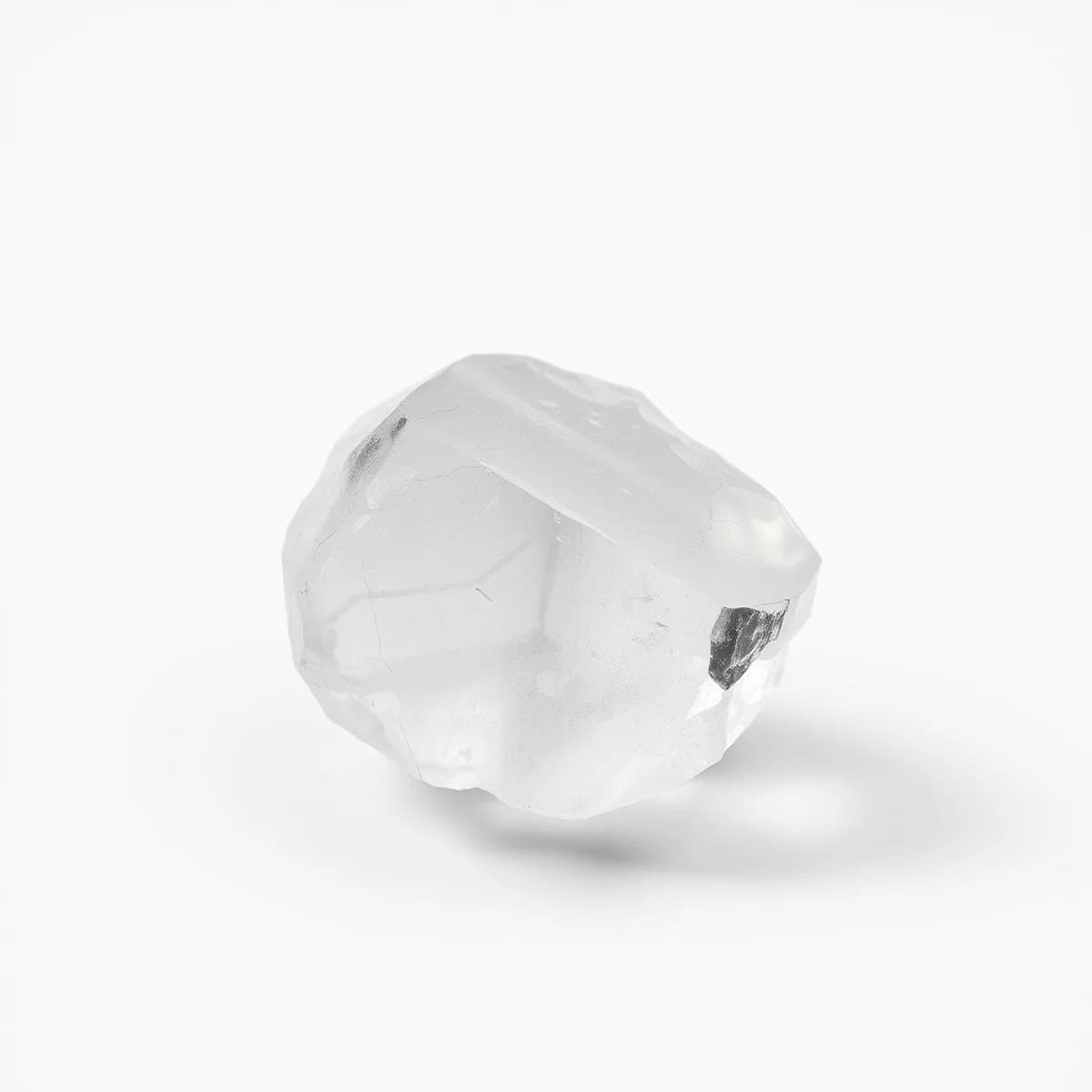
Clear Quartz, the One That Does a Bit of Everything
Called the master healer in tradition and used in nearly every radio and watch in the twentieth century. A look at what clear quartz actually is, how it earned its reputation, and why it gets recommended for almost everything.
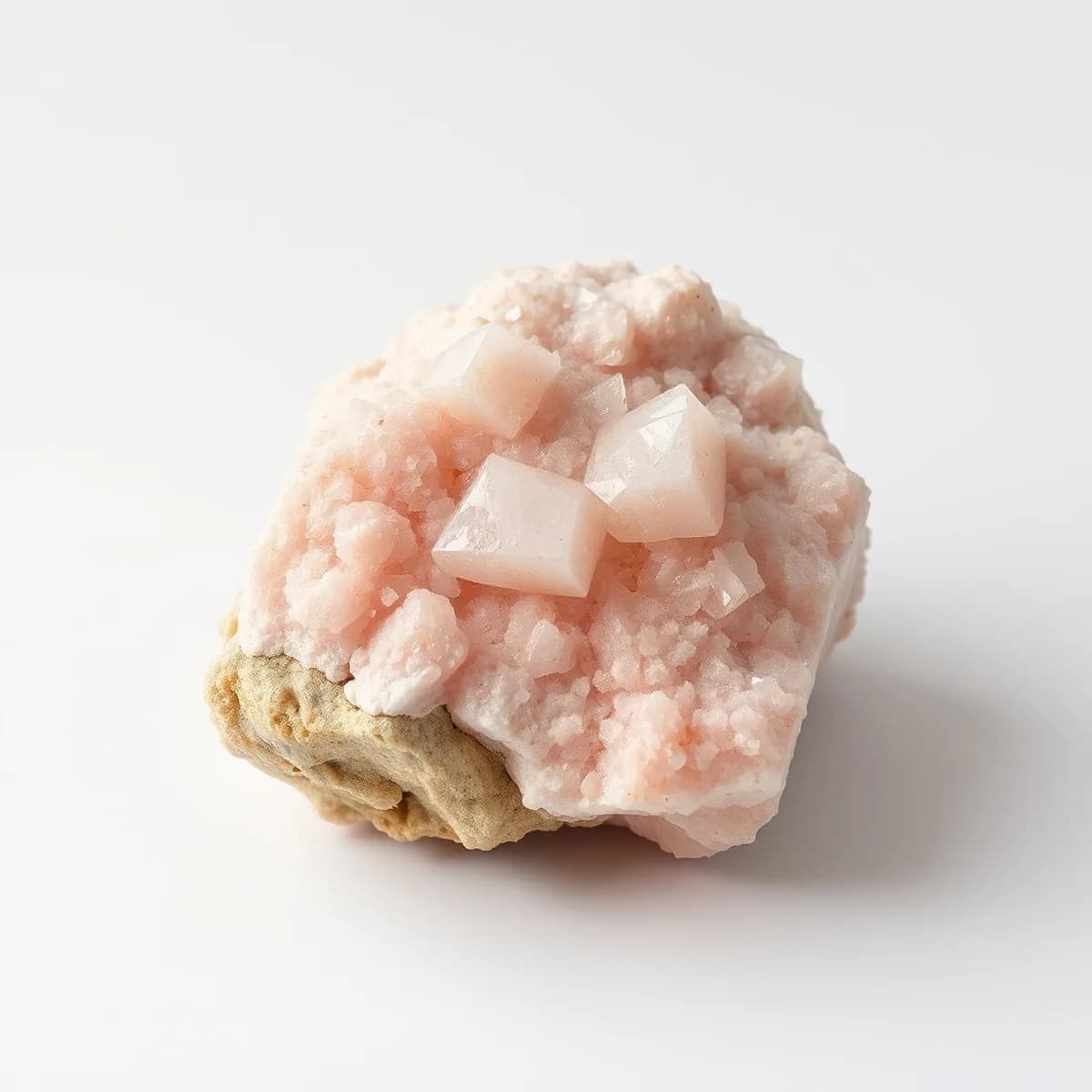
Rose Quartz, Honestly
Most of what gets written about rose quartz is a bit breathless. Here is a quieter guide, with the geology, the tradition, and a few honest notes on what crystal skincare can and cannot do.
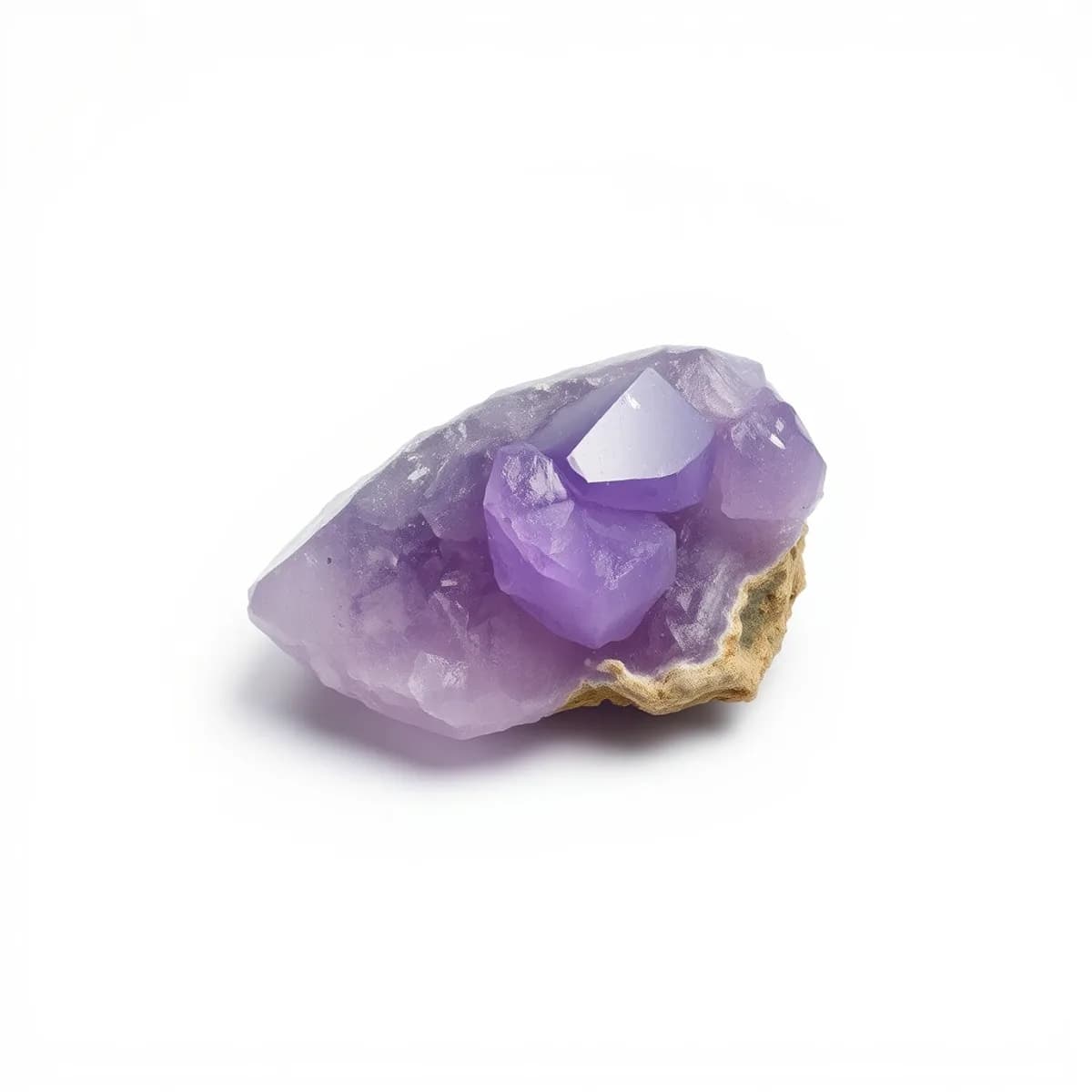
Amethyst, at Closer Range
The stone most people meet first. A slower look at where it comes from, why Brazilian and Uruguayan pieces look so different, and what sleep research can and cannot say about keeping one by the bed.
Mentioned in
Sit with us on Sundays.
One quiet letter every week. New writing, a crystal to consider, and whatever we have been thinking about. No tracking pixels, no affiliate noise.
By subscribing you agree to receive weekly emails from AU Crystals. Unsubscribe anytime. See our privacy note.